
Itinerary designed by Ruqin
Last updated: August 20, 2026
Overview
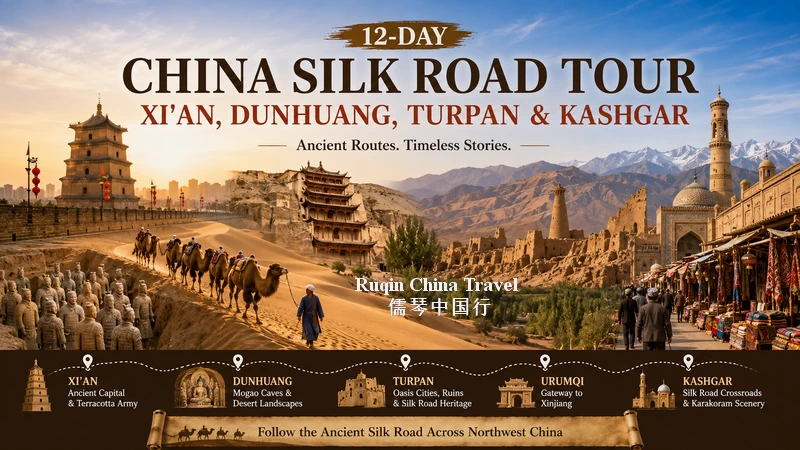
For a first Silk Road journey in China, I prefer to travel from east to west. Start in Xi’an, where caravans once departed the imperial capital. Then follow the old route through Gansu and across Xinjiang toward Kashgar.
This 12-day itinerary combines some of the Silk Road’s most important places without trying to cover everything. You will see Xi’an’s Tang heritage, the Mogao Caves, desert landscapes, Turpan’s oasis culture, and the old trading city of Kashgar.
The distances are enormous. Therefore, transport planning matters as much as sightseeing. I use a mixture of high-speed trains and flights to keep the route practical.
Route: Xi’an → Dunhuang → Turpan → Urumqi → Kashgar
Duration: 12 days / 11 nights
Best for: First-time visitors interested in Silk Road history, deserts, archaeology and local cultures
Travel style: Cultural sightseeing + desert landscapes + historic towns
Pace: Moderate, with several long-distance travel days
At-a-Glance Route
| Day | Destination | Main Experience | Overnight |
|---|---|---|---|
| Day 1 | Xi’an | Arrival and easy Old City walk | Xi’an |
| Day 2 | Xi’an | Terracotta Warriors + City Wall | Xi’an |
| Day 3 | Xi’an | Big Wild Goose Pagoda + Muslim Quarter | Xi’an |
| Day 4 | Xi’an → Dunhuang | Travel west | Dunhuang |
| Day 5 | Dunhuang | Mogao Caves + Mingsha Mountain | Dunhuang |
| Day 6 | Dunhuang | Yumen Pass + Great Wall remains | Dunhuang |
| Day 7 | Dunhuang → Turpan | Train journey into Xinjiang | Turpan |
| Day 8 | Turpan | Jiaohe Ruins + Karez + oasis country | Turpan |
| Day 9 | Turpan → Urumqi | Turpan sights + train to Urumqi | Urumqi |
| Day 10 | Urumqi → Kashgar | Fly to Kashgar + Old City | Kashgar |
| Day 11 | Kashgar | Karakul Lake & Karakoram Highway | Kashgar |
| Day 12 | Kashgar | Market / Old City + departure | — |
Detailed 12-Day Itinerary
Day 1 – Arrive in Xi’an
Arrival and First Walk
Use your first day to settle into Xi’an rather than rushing directly into major attractions. I suggest staying inside or close to the old city walls, preferably near a metro station.
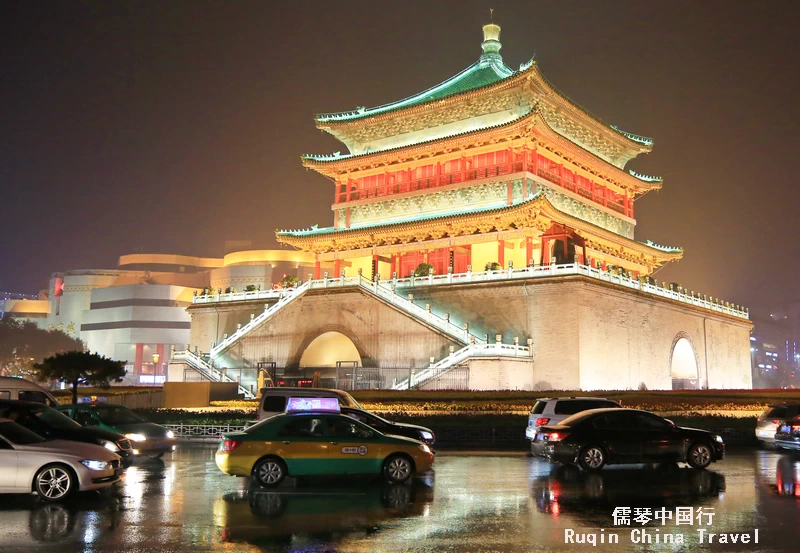
Illuminated Bell Tower in the evening in Xi’an
Later, take an easy walk around the Bell Tower and Drum Tower area. If you still have energy, continue toward the Muslim Quarter for your first taste of Xi’an’s street life.
Overnight: Xi’an
Day 2 – Terracotta Warriors & Xi’an City Wall
8:00 AM – Leave for the Terracotta Warriors
Start early for the Terracotta Warriors, about an hour outside central Xi’an. Allow at least three hours at the museum.

Pit No. 1 gives you the famous first impression. However, don’t rush through Pits 2 and 3. Together, they help explain how this enormous underground army was organized.
2:30 PM – Return to Xi’an
After lunch, return to the old city. Take a break before heading to the City Wall.
4:30 PM – Xi’an Ancient City Wall
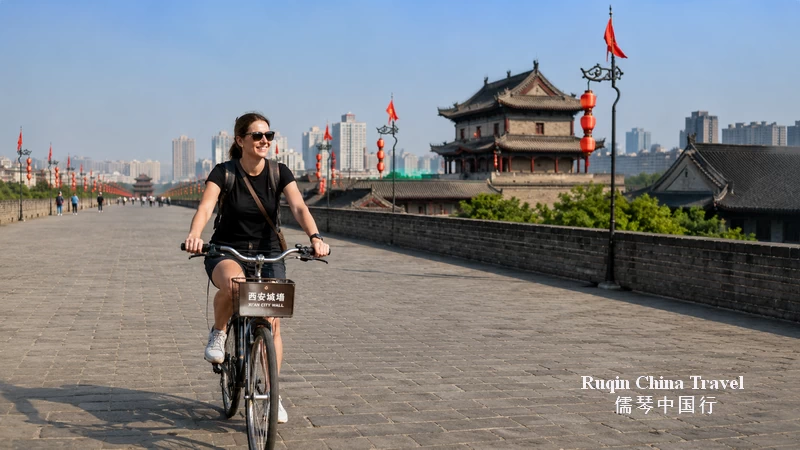
Late afternoon works particularly well here. Walk a section of the wall, or rent a bicycle if conditions allow.

South Gate at Xi’an City Wall
From above, old Xi’an sits on one side while the modern city spreads beyond it. That contrast makes the wall more interesting than simply treating it as another historical monument.
Overnight: Xi’an
Day 3 – Tang Dynasty Xi’an & the Muslim Quarter
9:00 AM – Big Wild Goose Pagoda
Begin at the Big Wild Goose Pagoda, one of Xi’an’s strongest links with the ancient Silk Road. The pagoda is closely associated with Xuanzang, the Chinese Buddhist monk who travelled through Central Asia to India.
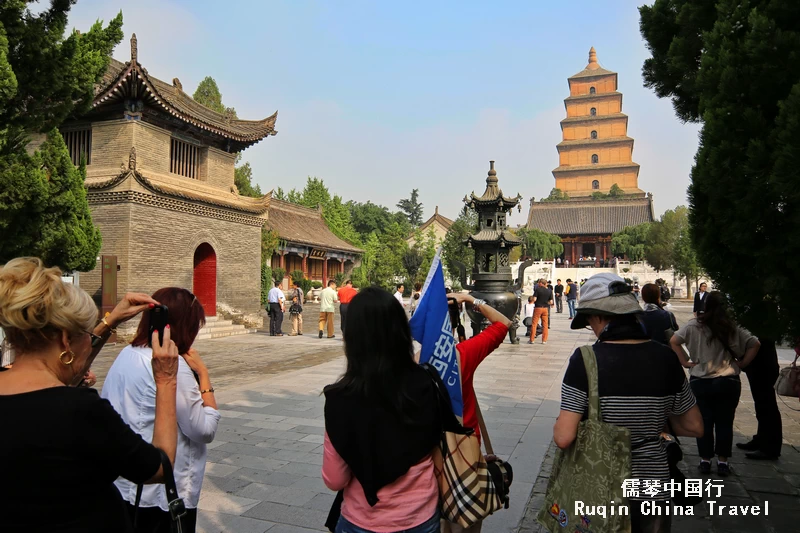
Big Wild Goose Pagoda
This is an important stop before heading west yourself. It puts the journey into a much wider historical context.
11:30 AM – Lunch and Rest
Have lunch nearby, then slow down for a while. Silk Road trips involve some long travel days, so I avoid filling every available hour.
3:00 PM – Great Mosque & Muslim Quarter
Later, explore the Great Mosque and surrounding lanes. The combination of Islamic traditions and Chinese architecture reflects Xi’an’s long history of cultural exchange.
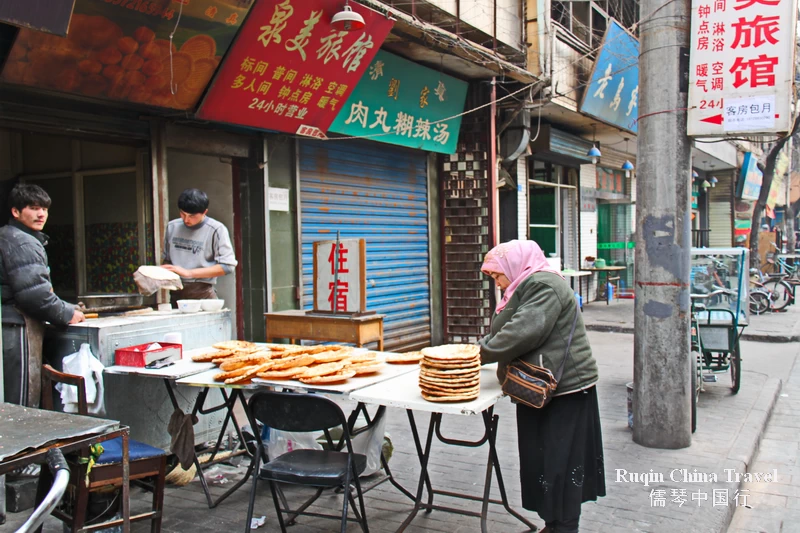
Muslim Quarter
Stay for dinner if you enjoy street food. Roujiamo, lamb dishes and noodles are easy places to start.
Overnight: Xi’an
Day 4 – Xi’an to Dunhuang by flight
This is your first major westward jump.
There is no reason to force sightseeing into this day. Depending on the available schedule, travel by air or use the rail network toward Dunhuang.
For a 12-day itinerary, I generally favor flying from Xi’an to Dunhuang when a suitable direct service is available. It preserves valuable sightseeing time for the Hexi Corridor.
After arriving, check into your hotel and take an evening walk around Dunhuang. Get an early night before visiting the Mogao Caves.
Overnight: Dunhuang
Day 5 – Mogao Caves & Mingsha Mountain
Morning – Mogao Caves
Today brings one of the defining experiences of the entire journey: the Mogao Caves.
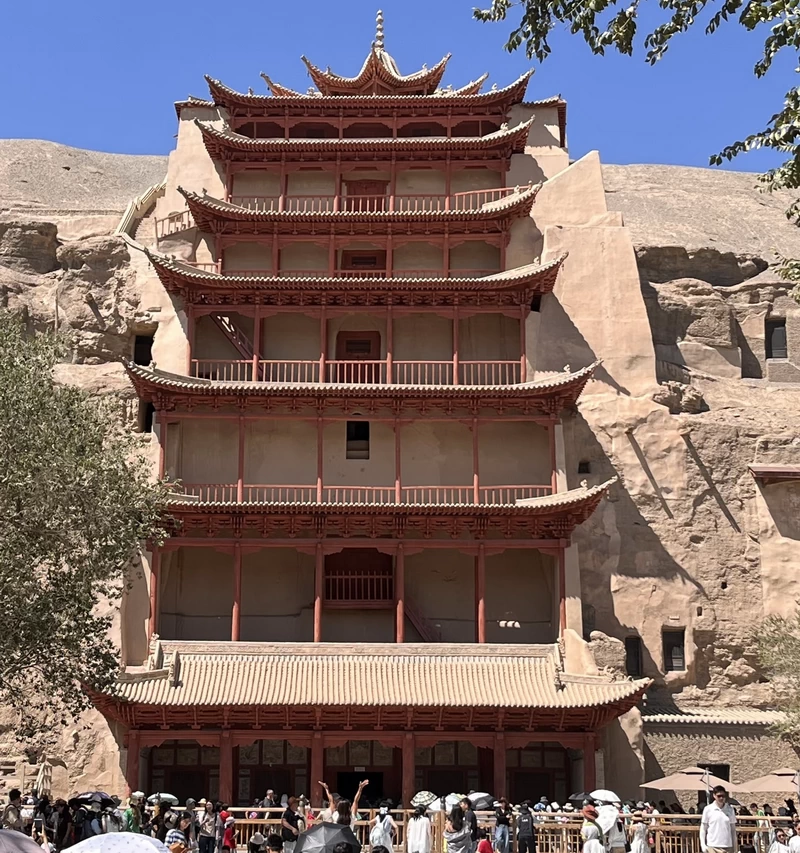
Mogao Caves
These Buddhist cave temples developed over roughly a thousand years as Dunhuang prospered along the Silk Road. Inside, murals and sculptures reveal influences that travelled between China, Central Asia and India.
Book ahead. Visitor numbers and cave access are controlled, and the caves included in regular visits can vary.
Late Afternoon – Mingsha Mountain & Crescent Spring
Later, head to Mingsha Mountain, also called the Singing Sand Dunes. Crescent Spring sits below the enormous dunes.
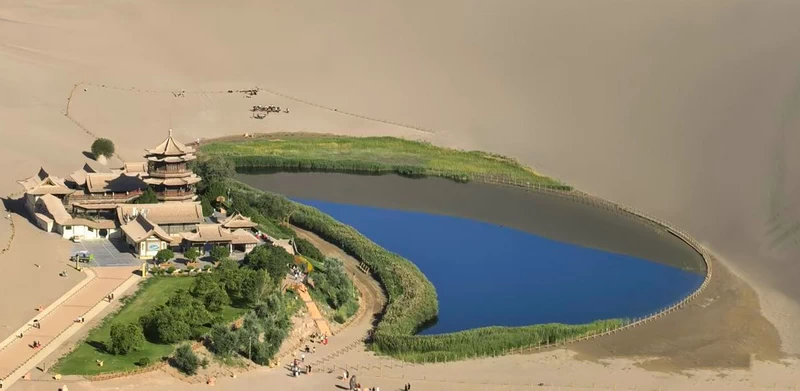
Mingsha Mountain & Crescent Spring
I prefer late afternoon here. The heat eases, shadows deepen across the sand, and the desert becomes much more atmospheric toward sunset.
Overnight: Dunhuang
Day 6 – Yumen Pass & the Ancient Great Wall
Leave Dunhuang for a full-day excursion into the desert.
Visit Yumen Pass, or Jade Gate Pass, which once controlled an important western route from Han China. Nearby sections of the ancient Han Great Wall look very different from the stone and brick walls around Beijing.
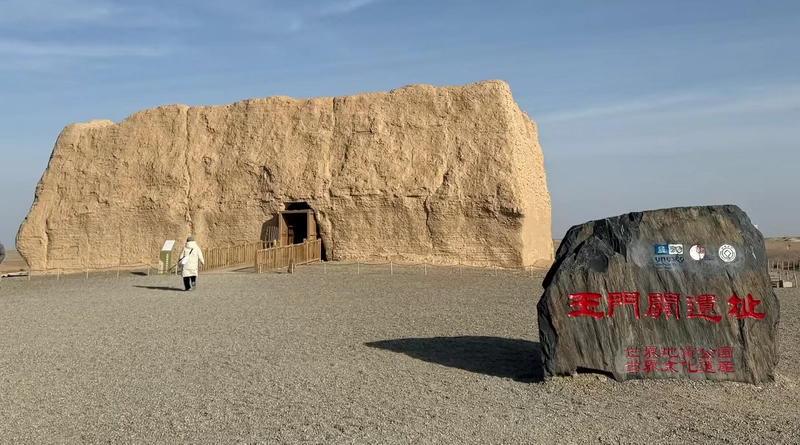
Yumen Pass & the Ancient Great Wall
Much of the landscape appears empty today. Yet that emptiness helps you understand the Silk Road. Travelers once crossed huge distances between isolated settlements, water sources and military posts.
Return to Dunhuang in the late afternoon.
Overnight: Dunhuang
Day 7 – Dunhuang to Turpan by road and train
Today is primarily a travel day.
First, transfer from Dunhuang to Liuyuan South Railway Station, which connects with the main high-speed railway across northwest China. Then take the train west toward Turpan North Railway Station.
The railway journey is long, but I actually like keeping this section overland. Watching the Gobi landscape pass outside the window gives you a sense of the enormous distances involved.
After arriving in Turpan, transfer to your hotel and rest.
Overnight: Turpan
Day 8 – Ancient Turpan and the Oasis
Morning – Jiaohe Ruins
Start at the Jiaohe Ruins, one of the most memorable archaeological sites in Xinjiang.
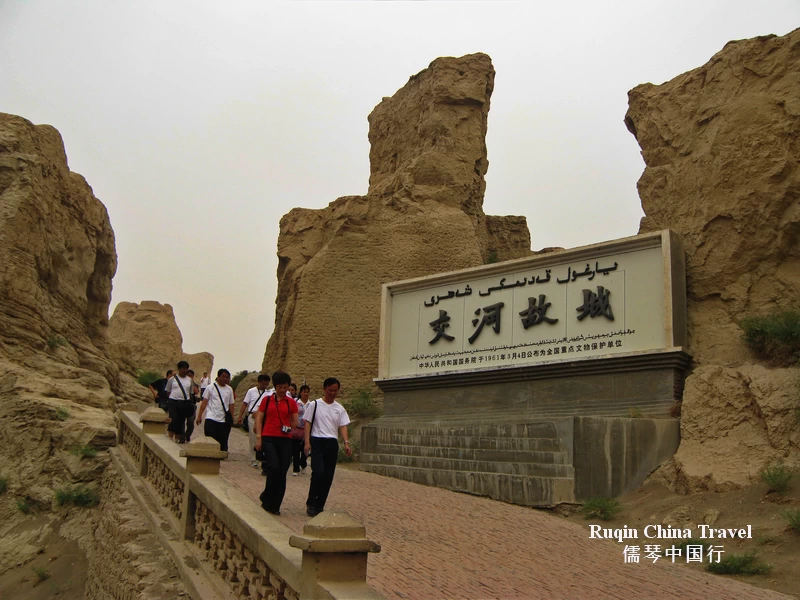
Jiaohe Ruins
The ancient city stands on a raised plateau between two river valleys. Instead of individual reconstructed buildings, you walk through the remains of an entire Silk Road settlement.
Afternoon – Karez Irrigation System
Next, learn about Turpan’s karez irrigation system. Underground channels carried water from the mountains toward farms and settlements in this extremely dry region.

Karez Irrigation System
Later, explore the countryside around Turpan. Vineyards, poplar trees and villages create a striking contrast with the surrounding desert.
Overnight: Turpan
Day 9 – Turpan to Urumqi by High-speed train
Spend another half day around Turpan.
Depending on your interests and seasonal conditions, you can visit the Gaochang Ruins, Bezeklik Thousand Buddha Caves, or the Emin Minaret.
Then take a high-speed train from Turpan North to Urumqi. The journey is relatively short compared with the distances you have already covered.
Spend the evening resting in Urumqi. I would not overload this day with another major sightseeing program.
Overnight: Urumqi
Day 10 – Urumqi to Kashgar
Morning – Fly to Kashgar
Fly from Urumqi to Kashgar, bringing you deep into western Xinjiang.
Kashgar feels very different from Xi’an or Dunhuang. By this stage, the architecture, food and street life increasingly reflect Central Asian influences.
Afternoon – Kashgar Old City
After checking in, explore Kashgar Old City slowly on foot.
Walk through residential lanes, small shops and local food streets. Don’t try to follow a strict checklist here. Part of Kashgar’s appeal comes from simply observing everyday life.
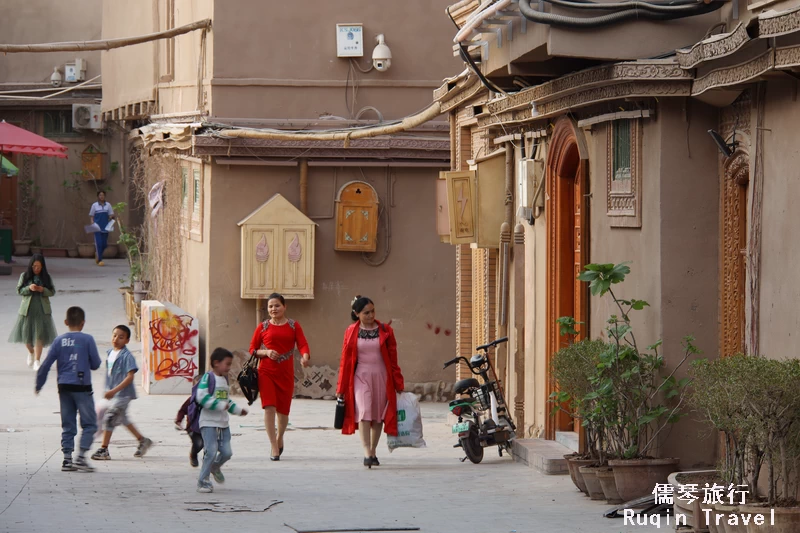
Kashgar Old City
Later, visit the area around Id Kah Mosque and stay in the Old City through the early evening.
Overnight: Kashgar
Day 11 – Karakoram Highway & Karakul Lake
This is the great landscape day of the itinerary.
Leave Kashgar early and travel south along the Karakoram Highway. The road crosses an extraordinary landscape of dry mountains, high plateaus and snow-covered peaks.
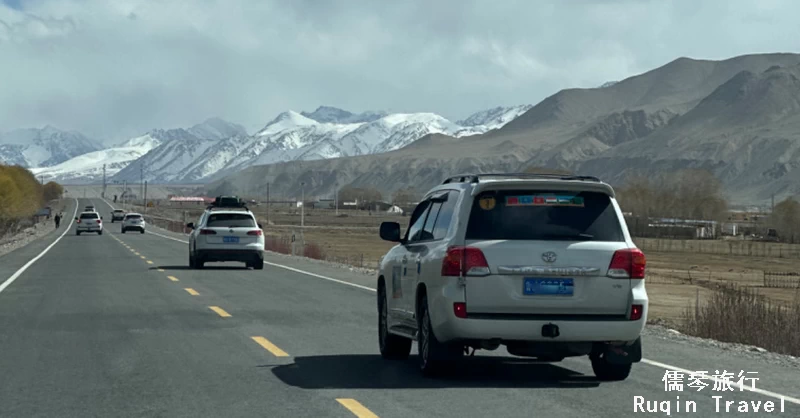
Travel south along the Karakoram Highway
Stop at Karakul Lake, where the mountains rise dramatically behind the water. Weather can change quickly at this altitude, so bring warm layers even when Kashgar feels hot.
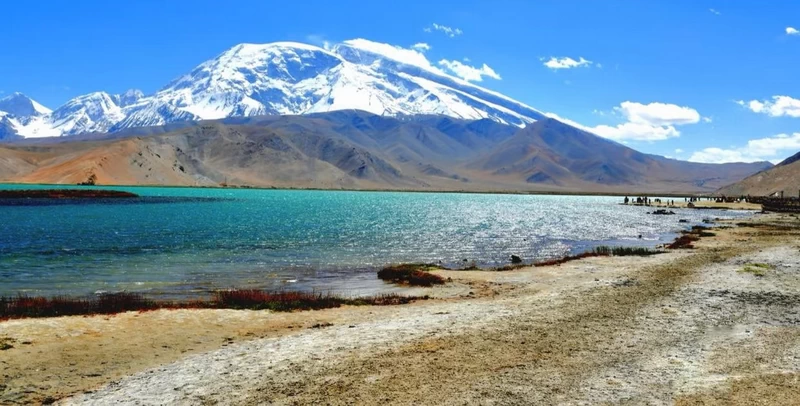
Karakul Lake
Return to Kashgar in the evening. It is a long day, but the scenery makes it one of the highlights of the entire journey.
Overnight: Kashgar
Day 12 – Kashgar & Departure
Keep the final morning flexible.
If your schedule allows, return to the Old City, visit a local market, or simply sit down for breakfast and watch Kashgar begin another day. After eleven days of moving west, this slower ending feels right.
Then transfer to Kashgar Laining International Airport for your onward journey. Most international travelers will connect through another Chinese hub rather than fly directly overseas.
Tickets / Transport / What to Bring
Long-Distance Transport
This itinerary deliberately combines high-speed rail, domestic flights and private transfer
Xi’an → Dunhuang: Fly when a convenient direct flight operates. Rail is possible but takes considerably longer.
Dunhuang → Turpan: Private Transfer to Liuyuan South, then take the high-speed railway west to Turpan North.
Turpan → Urumqi: High-speed train is the simplest choice.
Urumqi → Kashgar: I recommend flying for this itinerary. Xinjiang is vast, and saving time here gives you another useful day on the ground.
Train and flight schedules change. Therefore, treat the route as the framework rather than booking around a particular train number months ahead.
Tickets to Reserve Early
Book the Mogao Caves as early as practical. This is the attraction where advance planning matters most.
I also recommend reserving major long-distance train tickets and domestic flights ahead of time, especially during Chinese public holidays and the summer travel season.
What to Bring
- Passport
- Comfortable walking shoes
- Light layers
- Warm outer layer for high-altitude areas
- Sun hat and sunglasses
- Strong sunscreen
- Lip balm and moisturizer
- Refillable water bottle
- Small daypack
- Portable phone charger
- Basic medicines
- Offline maps
- Some cash as backup
Northwest China can be extremely dry. Meanwhile, temperatures can change sharply between daytime, evening and high-altitude areas.
Best Time for This Silk Road Tour
I would choose May, June, September or early October.
Summer can become extremely hot around Dunhuang and Turpan. Winter, meanwhile, brings very cold conditions to parts of Xinjiang and Gansu.
September is particularly attractive. Temperatures become more comfortable, while the skies and desert landscapes often work beautifully for photography.
A Note About Traveling in Xinjiang
Travel in Xinjiang requires more preparation than travel between Beijing, Shanghai and Xi’an. Distances are larger, security checks may take additional time, and access arrangements can change.
Keep your passport with you and leave extra time for airports, railway stations and road journeys. For excursions into remote border and mountain areas, including parts of the Karakoram Highway, check the latest permit and access requirements before departure.
Ruqin’s Trip Design Note
I designed this itinerary around the geography of the Silk Road, not simply a collection of famous attractions. Starting in Xi’an and finishing in Kashgar lets you feel the landscape, architecture and cultures gradually change as you travel west.
I also avoid squeezing too many northwest destinations into twelve days. Places such as Jiayuguan, Zhangye and Tianshui are worthwhile, but adding all of them would make this trip too rushed. For a first Silk Road journey, Xi’an, Dunhuang, Turpan and Kashgar give you a stronger and more coherent introduction.
Plan More of Your China Silk Road Trip
This itinerary can stand alone, or you can connect it with a longer China journey. Xi’an connects naturally with Beijing, while Kashgar can connect by air with major Chinese cities for your onward trip.
If you have several extra days, consider adding Zhangye and Jiayuguan between Xi’an and Dunhuang. They turn the itinerary into a deeper exploration of the Hexi Corridor and make the east-to-west Silk Road story even more complete.