
Written by Ruqin
July 13, 2026
Beijing often feels like two cities stitched together.
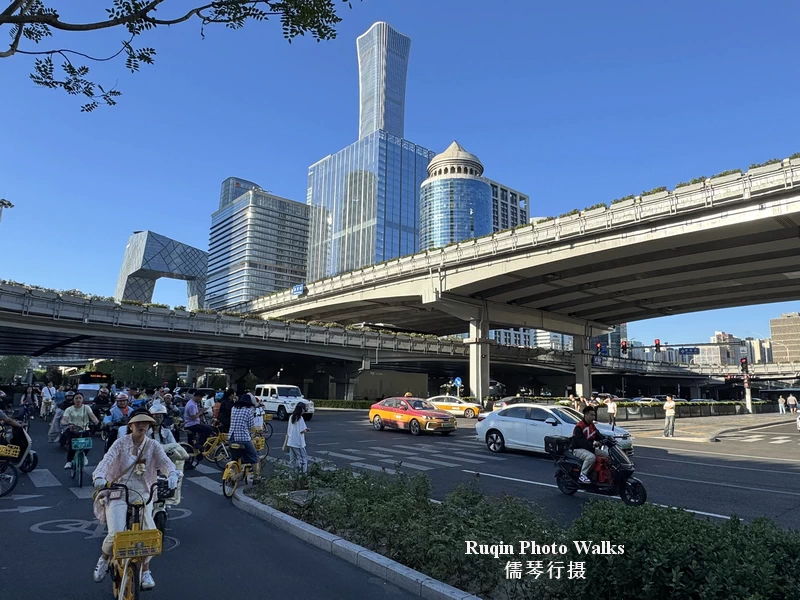
One moment, you are walking beside the red walls of the Forbidden City. Then, a skyline of glass towers rises ahead of you.
Meanwhile, inside the hutongs, breakfast stalls still serve old Beijing favorites. Around the next corner, young locals sip coffee in stylish cafés.
That contrast is what makes Beijing so exciting.
However, the city has its own travel rhythm. You need advance reservations. Mobile payments matter. English signs do not always help. Also, several familiar phone apps may not work normally.
Fortunately, a little preparation changes everything.
One useful tool is 入京通 GO BEIJING, usually shown in English as GO BEIJING. Beijing created this one-stop platform for international visitors. It brings together services for payments, attraction tickets, hotels, taxis, dining, shopping, and travel information.
I suggest setting it up before your trip. Then, keep it alongside Alipay, your translation app, and your map.
Here are ten common Beijing travel mistakes—and how to avoid them.
1. Following Friendly “Students” to a Tea House
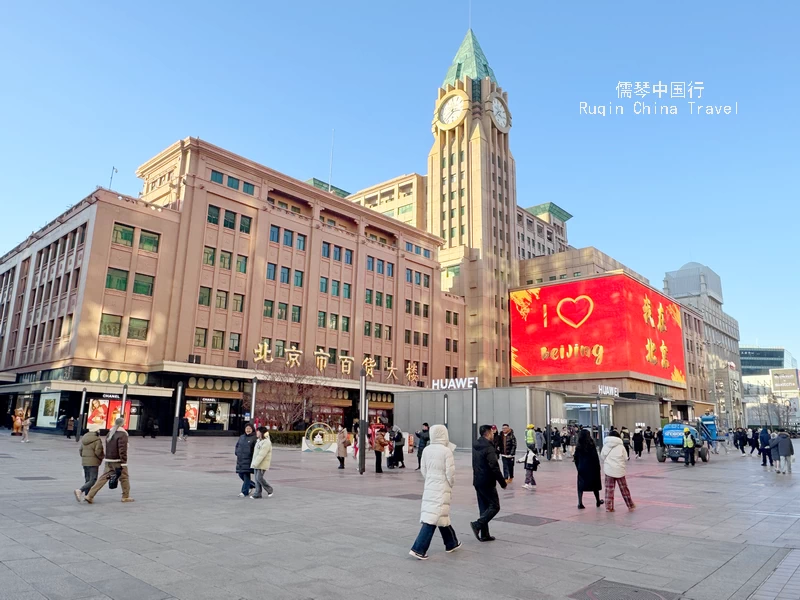
You may meet someone friendly while walking near Wangfujing.
They often speak good English. Then, they introduce themselves as students who want to practice English.
After a pleasant conversation, they may invite you to a traditional tea ceremony.
Stop there.
This invitation may lead to a well-known tourist scam. You sit down, try several teas, and receive an unexpectedly large bill. Meanwhile, your new companion may suddenly disappear.
I have always found that the safest response is also the simplest.
Smile, stay polite, and say, “No, thank you.”
Then, continue walking.
If you want a tea experience, choose a reputable tea house yourself. Check the menu and prices before ordering.
Real Beijing hospitality does not pressure strangers into spending money.
2. Automatically Choosing Badaling Great Wall
Badaling Great Wall is the most famous section of the Great Wall.
However, fame brings crowds.
During busy periods, you may spend more time waiting than walking. Even worse, your photographs may show more selfie sticks than watchtowers.
For a first visit, I usually recommend Mutianyu Great Wall instead.
Mutianyu still gives you those sweeping mountain views. Yet, it often feels calmer and more spacious.
In addition, the cable car makes the visit manageable for families and less-active travelers. There is also a toboggan ride down, although you can choose the cable car instead.
Book your ticket before leaving central Beijing.
Also, plan your transport carefully. Mutianyu lies outside the city center, so the journey needs more thought than a subway ride.
Once you arrive, slow down. Walk beyond the first crowded watchtowers. The views become better, and the atmosphere becomes quieter.
3. Assuming All Your Phone Apps Will Work Normally
This mistake often becomes clear just after landing.
You unlock your phone and open Google Maps. It does not load properly. Then, Gmail or Instagram may also become unavailable.
Your phone is not broken.
Mainland China has a different internet environment. Therefore, several international services may not work normally on a standard local connection.
Before departure, arrange an international eSIM ( like eSIM card from trip.com ) or another suitable roaming option. Check its coverage and conditions carefully.
Next, download essential apps before flying.
I recommend keeping:
- Alipay
- A translation app
- An offline Chinese language pack
- An offline copy of your hotel details
- A reliable map that works in mainland China
- GO BEIJING
You can also ask about local SIM cards after arrival. The Beijing Service counters at the international arrival areas can help travelers with communication and other practical needs.
Do not wait until you are standing outside the airport with no map and no working messages.
4. Depending Only on Cash
Cash remains legal tender in China.
However, mobile payments dominate daily life in Beijing.
You will see QR codes everywhere. Small restaurants use them. Convenience stores use them. Even neighborhood food stalls often use them.
Therefore, carrying only cash can make simple purchases harder.
Before your trip, install Alipay or WeChat Pay. Then, complete the identity verification process and add a supported international bank card.
Test the setup before your first busy sightseeing day.
However, some travelers do not want to link a card. Others may have trouble with card verification.
In that case, look at the Travel Wallet inside GO BEIJING.
Eligible overseas visitors can open the wallet without linking a bank card. They can then fund it through a cross-border remittance and use the balance for payments in mainland China.
This option can feel simpler for travelers who prefer a separate travel balance. However, availability depends on your country or region. Therefore, check the current eligibility rules before relying on it.
I still carry some cash as a backup.
Yet, for most daily spending, a working mobile payment method makes Beijing far easier.
5. Relying Too Heavily on English Signs
Beijing has improved its English-language services.
Still, English signs will not solve every problem.
Some translations sound strange. Others provide only partial information. Meanwhile, small restaurants and local shops may display no English at all.
Museum labels can also vary. Major exhibitions may have clear translations, while smaller displays may remain Chinese-only.
Therefore, prepare your own language tools.
Download a translation app before departure. Then, install its offline Chinese package.
More importantly, save important addresses in Chinese.
I keep screenshots for:
- My hotel
- Train stations
- Restaurants
- Attractions
- Airport terminals
- Emergency contact details
When taking a taxi, show the driver the Chinese address. Do not depend on your pronunciation or an English place name.
A Chinese screenshot usually ends the confusion within seconds.
6. Arriving at the Forbidden City Without a Reservation
The Forbidden City is not an attraction where you should simply arrive and hope for a ticket.
Reservations matter.
Entry uses real-name information, so international visitors normally book with their passport details. During busy travel periods, available places can disappear quickly.
Therefore, make the Forbidden City one of your first trip reservations.
You can check ticket services through GO BEIJING. The platform gathers attraction-booking services for international visitors in one place.
You can also use the Palace Museum’s official booking channel.
Whichever method you choose, enter your passport information carefully. The document used for the reservation should match the passport you carry on the day.
Next, check the calendar before building your itinerary. The Forbidden City is traditionally closed on Mondays, except for some public holidays. Opening arrangements can change, so confirm them before visiting.
Do not place it on your final day without a backup plan.
Instead, reserve it early and build the rest of your Beijing itinerary around that date.
7. Visiting During China’s Busiest Holidays
Beijing always feels energetic.
During major national holidays, however, that energy becomes intense.
The National Day holiday begins around October 1. The Lunar New Year period also brings large-scale domestic travel.
During these periods, popular attractions become crowded. Hotels may cost more. Train tickets become harder to secure. Meanwhile, traffic and security checks take longer.
Before booking flights, check China’s official public holiday calendar for your travel year.
Also, look beyond the holiday dates themselves. Travel pressure often begins before the official break and continues afterward.
For many visitors, April and May offer pleasant walking weather. September and October can also be beautiful.
However, Beijing’s weather changes from year to year. Spring may bring wind or dust. Summer can feel hot and humid. Winter can be dry and bitterly cold.
Therefore, check the forecast close to departure and pack layers.
Good timing will not remove every crowd. Still, it can transform your experience.
8. Expecting Taxi Drivers to Understand English
Beijing taxi drivers know their city.
However, many do not speak much English.
Showing an English hotel name may not help. The translated name could differ from the name locals use.
Therefore, always keep the Chinese name and address of your destination.
Before leaving your hotel, ask the front desk to confirm the address. Then, save it as a screenshot.
You can also use a ride-hailing service through Alipay or explore the taxi options available through GO BEIJING.
When the car arrives, compare the license plate with the booking information. Then, show the Chinese destination if the driver asks for confirmation.
Meanwhile, follow the route on your map.
Most journeys go smoothly. Still, clear Chinese information removes unnecessary stress.
One small habit helps more than almost any phrasebook: never leave your hotel without its Chinese address.
9. Eating Only Peking Duck
Peking duck deserves a place in your Beijing trip.
However, it should not take every place.
Beijing’s everyday food tells you far more about the city. You find it in noodle shops, breakfast stalls, dumpling restaurants, and simple neighborhood kitchens.
Start with zhajiangmian, noodles mixed with a rich fermented soybean sauce.
Next, try jianbing, a thin breakfast pancake filled with egg, sauce, herbs, and something crisp.
You may also see jiaoquan, crispy fried rings often served at breakfast.
Then there is douzhi, a fermented mung bean drink closely linked with old Beijing. Its sour aroma surprises many first-time visitors. Try a small amount first.
Another traditional dish is baodu, quickly cooked tripe served with a sesame-based dipping sauce.
You do not need to love everything.
Food exploration is not a test. Instead, choose what interests you and taste it with an open mind.
The Explore Beijing and dining sections inside GO BEIJING can also help you discover local food, nearby restaurants, cultural experiences, and available visitor offers.
Still, I would not follow an app blindly.
Check recent reviews. Look at the menu. Then, notice where local diners are eating.
Usually, the best Beijing meal is not the most famous one. It is the small restaurant you nearly walked past.
10. Ignoring Beijing’s Visitor Services
International arrivals can feel overwhelming.
You may need a SIM card, a payment method, transport directions, and help finding your hotel. You may also feel tired after a long flight.
Fortunately, Beijing now offers more arrival support than many visitors realize.
Look for the Beijing Service points in the international arrival areas at Beijing Capital International Airport and Beijing Daxing International Airport.
Staff can assist with practical matters such as communication, payments, transport, tourism information, and general directions.
Then, use GO BEIJING as your digital travel assistant during the rest of your stay.
The platform brings many common visitor services together. Depending on the available functions, you can use it to explore:
- Attraction tickets
- Hotel reservations
- Taxi services
- The Travel Wallet
- Dining suggestions
- Shopping information
- Visitor discounts
- Travel guides
- Multilingual support
Because services and eligibility can change, check the latest information inside the platform.
Still, it is worth knowing about before you arrive.
Large cities often make visitors search through several separate systems. GO BEIJING aims to reduce that friction by gathering essential Beijing services in one place.
Beijing is a city you understand gradually.
At first, the distances feel enormous. The payment system may seem unfamiliar. Reservations can feel complicated.
Then, the pieces begin to fit together.
You learn to save Chinese addresses. You book major attractions early. You keep your payment apps ready. Meanwhile, the subway starts to feel natural.
Finally, you stop worrying about every small detail.
That is when Beijing opens up.
You notice older residents chatting outside hutong homes. You smell breakfast pancakes near a subway entrance. Then, you look up and see an imperial roof framed by a modern skyline.
Prepare the practical details first.
Set up your internet access, payments, translations, and bookings. Also, add GO BEIJING to your Beijing travel toolkit.
After that, leave space for wandering.
Beijing rewards travelers who plan carefully—but also know when to put away the checklist and simply walk.
About the Author
Ruqin is the founder of Ruqintravel.com and has spent more than four decades working in China’s travel industry. Drawing on hands-on experience in cities like Beijing and Hangzhou, he personally researches and updates each guide to help international travelers navigate China with confidence.
Further Reading
10 Common Mistakes to Avoid on Your First Trip to China
Arriving at Beijing Airport: Arrival Card and Visa-Free Transit Guide
Useful and Emergency Numbers in China – A Foreigner’s Guide
How to Spot Fake Chinese Money: Simple Tips for Tourists
China Customs Regulations – A Foreigner’s Guide