Written and updated by Ruqin
Last updated:August 05, 2026
Safety in China for Foreign Visitors is generally good. The crime rate is low, and the streets are safe. However, cultural differences, strict laws, and certain political or social factors require preparation.
This guide offers essential, up-to-date safety tips to help Foreign Visitors navigate China with confidence. By understanding these key aspects in advance, you’ll be better prepared for a smooth and worry-free trip.
Quick Guide: Safety in China for Foreign Visitors
Overall Safety:
China is one of the safest countries in the world. Violent crime is rare, but be aware of petty theft.
Rule of Law:
China has strict laws. Always follow them. Carry your passport, avoid filming sensitive places, and stay away from protests.
Digital Environment:
Many websites (Google, Facebook, WhatsApp, YouTube) are blocked in China. Make sure to install a reliable VPN before you go.
Health and Cash:
Tap water isn’t safe to drink. Stick to bottled water. WeChat Pay and Alipay are widely used, but keep some cash on hand.
Emergency Numbers:
- Police: 110
- Fire: 119
- Ambulance: 120 (In Beijing, call 999)
Cultural Respect:
Be polite and avoid discussing sensitive political topics in public.
1. Safety Guide for Foreign Visitors
This section covers essential safety tips for Foreign Visitors in China. We’ll focus on pre-trip preparations, key documents, and safety precautions to ensure a smooth and secure travel experience.
1) Pre-Trip Preparation and Document Safety
Managing Your Documents
Make sure your passport is valid for at least six months and your visa is in order. Always carry your original passport, as required by Chinese law. The police may check it at any time. Hotels and long-distance trains may also ask for it.
Make Copies and Backups
Keep copies of your passport’s personal info page, visa page, and China visa separately. Store digital copies in a cloud service or email for extra protection.
Police Registration
After checking into a hotel, you must register with the local police within 24 hours. Hotels typically handle this, but if staying at a private home or Airbnb, you must go to the local police station for registration.
2) Personal and Property Safety for Foreign Visitors
Everyday Safety
Crime:
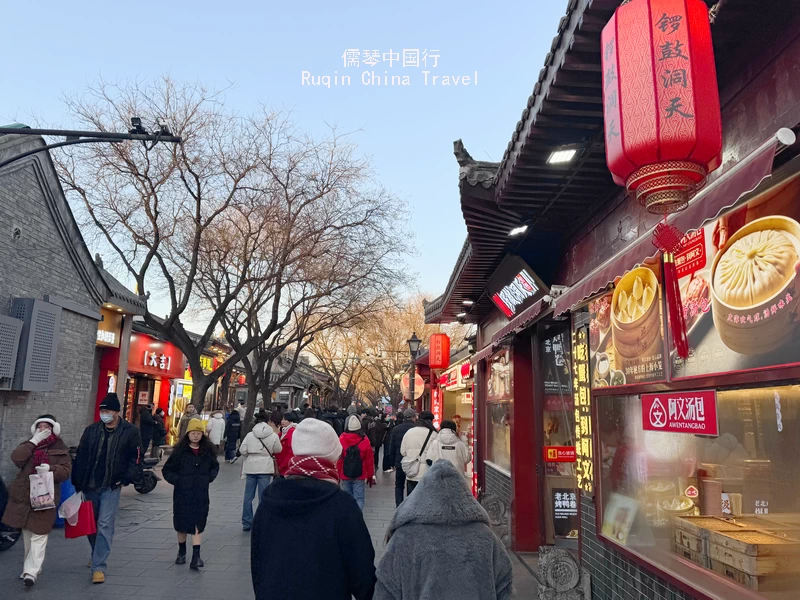
Pickpocketing and bag-snatching can occur in crowded tourist spots, subways, and train stations. Keep your backpack in front, and avoid leaving phones or wallets on tables in restaurants.
Traffic Safety:
Be cautious when crossing streets, even at crosswalks. Always look for vehicles. Many cities have bike lanes, so watch out for electric bikes.
Nighttime Safety:
Chinese cities are generally safe at night. However, stick to well-lit, busy areas for added safety.
Property Safety
Cash and Payments:
Carry a small amount of RMB (100 RMB or less) for small purchases, markets, or emergencies. For larger payments, use your credit card or linked mobile payment apps.
ATM Use:
Withdraw money from ATMs inside well-lit banks, malls, or hotels. Always cover your PIN while withdrawing cash.
3) Legal and Political Sensitivities (Very Important)
Safety in China for Foreign Visitors requires awareness of certain strict laws and sensitivities.
Absolute Prohibitions
Sensitive Photography:
Foreign Visitors must not photograph military sites, soldiers, police stations, or border checkpoints. Avoid taking pictures of government buildings or infrastructure, as it may lead to questioning.
Political Activities:
Do not participate in or even observe political protests or demonstrations. Foreign Visitors should quickly leave such areas. Never post or share critical views on the Chinese government or policies, even online.
Prohibited Items:
It is illegal to carry or use drugs (including marijuana) in China, with severe penalties. Don’t bring or distribute religious or political propaganda.
Speech Caution
Avoid discussing sensitive topics like Tibet, Xinjiang, Taiwan, Hong Kong, or human rights in public or with unfamiliar people. Safety in China for Foreign Visitors means staying cautious, even online, despite VPN use.
Respect the System:
Respect China’s socialist system and the Communist Party’s leadership. This is a legal and social expectation for all Foreign Visitors.
4) Digital Communication and Internet Security for Foreign Visitors
Internet Access
The Great Firewall:
China’s internet firewall blocks many popular services, including Google (Search, Gmail, Maps), Facebook, Twitter, Instagram, WhatsApp, YouTube, and Wikipedia. Foreign Visitors will find these services inaccessible.
VPN Solutions:
Before your trip, install and test a reliable paid VPN on your phone and computer. Foreign Visitors may have trouble downloading or updating VPN apps once in China. Even with a VPN, expect slower and less stable speeds.
Communication
Let friends and family know that WhatsApp and Facebook Messenger may not work in China. Foreign Visitors should use WeChat as the primary communication tool to stay in touch with local contacts.
Internet Monitoring:
Your online activity may be monitored. Foreign Visitors should avoid engaging in any activity that could be viewed as illegal.
5) Health and Medical Prep for Foreign Visitors
Food and Water Safety
Never drink tap water in China—not even boiled. In some areas, the water may still upset your stomach. Foreign Visitors should use bottled water at all times, even for brushing teeth.
Enjoy Chinese food, but take it slow at first. Many dishes are oily or spicy, which may be tough on your system. Choose clean, well-rated restaurants. Be cautious with street food, especially when you first arrive.
Medical Services
Major cities have international hospitals or high-end private clinics. These offer English-speaking staff but charge high fees. Public hospitals are cheaper but may have language barriers.
Buy comprehensive travel insurance that covers medical care and emergency evacuation within China. This is a smart move for Foreign Visitors.
Bring enough of your regular prescription meds in original packaging. Also carry your doctor’s note and know the generic name. Some medications may be restricted or go by different names in China.
6) Transportation Tips for Foreign Travelers
Getting Around the City
Taxis and Ride-Hailing:
Use the official DiDi app (requires a Chinese phone number). Ask your hotel to write your destination in Chinese. Always confirm the driver uses the meter.
Subways and Buses:
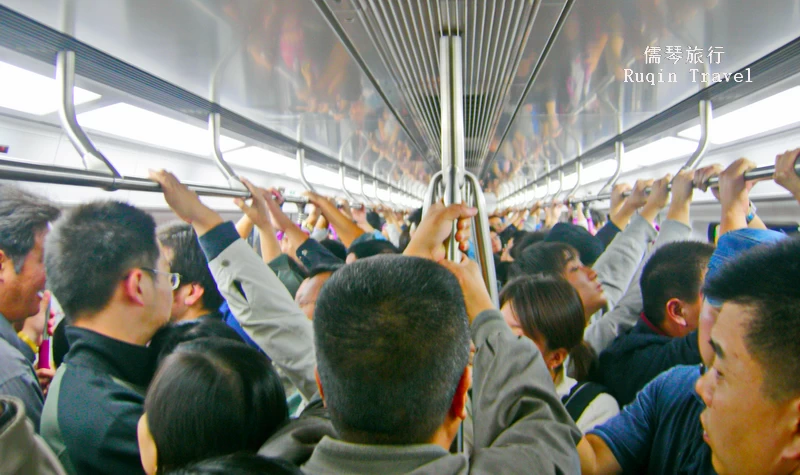
Public transit is clean, safe, and reliable. However, it gets extremely crowded during rush hour. Keep your belongings secure at all times.
Traveling Between Cities
High-Speed Rail:
China’s bullet trains are safe, fast, and comfortable—great for long distances. Bring your passport to pick up tickets at the station after booking online.
Flying:
Airport security is strict, so arrive early. You’ll also need your passport to check in for all domestic flights.
2. Frequently Asked Questions: Safety in China for Foreign Visitors
Q1: What if my passport is lost or stolen?
First, report it to the nearest police station and get an official report. Next, contact the your country’s Embassy or consulate in China for an emergency travel document. Keep copies of your passport and visa in case of emergencies.
Q2: Can I criticize the Chinese government online while in China?
No. That violates local laws and may lead to questioning, fines, detention, or deportation. Foreign Visitors could even face an exit ban, which prevents you from leaving the country.
Q3: What should I do if stopped by police?
Stay calm and polite. Show your original passport. If you don’t understand, say:
“Duìbùqǐ, wǒ bù dǒng zhōngwén” (Sorry, I don’t understand Chinese).
Ask for English help or call your hotel or your country’s Embassy in Beijing.
Q4: Is it really unsafe to drink tap water in China?
Yes. To avoid stomach issues, use bottled water for everything, including brushing your teeth—even in luxury hotels.
Q5: What if I don’t speak Chinese?
Download a translator app (like Google Translate—VPN required—or Microsoft Translator). Print or save key info like your hotel address in Chinese. Also, learn a few basics: “Hello” (你好), “Thank you” (谢谢), “Help me” (帮我).
3. Emergency Contacts for Foreign Visitors in China
General Police Emergency: 110
Fire: 119
Medical Emergency: 120 (Beijing only: 999)
4. Pre-Trip Safety Checklist for Foreign Visitors
Learn a few basic Chinese phrases and print key addresses in Chinese.
Make sure your passport is valid for 6+ months and your visa is approved.
Buy travel insurance that includes medical evacuation coverage.
Install and test a reliable VPN before leaving the U.S.
Download essential apps: WeChat, a translation app, and Gaode (Amap) for navigation.
Bring some RMB cash and keep passport copies backed up.
Pack enough prescription meds in original packaging, along with a doctor’s note.
Share your trip details and emergency contacts with family or friends.
China is a country with deep history and vibrant culture, and people are generally warm and welcoming. Safety in China for Foreign Visitors is high overall. However, first, respect local laws and customs. Next, stay alert and plan ahead. Meanwhile, keep documents secure and follow common-sense precautions.
In addition, prepare properly before you go. When Foreign Visitors understand the rules and cultural norms, trips run smoothly. Finally, with awareness and respect, your journey can be safe, rewarding, and memorable. Enjoy your travels in China.
About the Author
Ruqin is the founder of Ruqintravel.com and has spent more than four decades working in China’s travel industry. Drawing on hands-on experience in cities like Beijing and Hangzhou, he personally researches and updates each guide to help international travelers navigate China with confidence.
Further Reading
Chinese Laws and Regulations: A Foreigner’s Guide
Health and Safety Tips for Beijing Visitors
Safety Tips for Chengdu Visitors: What to Know Before You Go