
Written and updated by Ruqin
Last updated: May 29, 2026
Traditional Chinese Clothing tells the story of China in a way few things can. I still find myself slowing down whenever I see someone wearing hanfu in a park or a qipao at a family celebration—it feels like history moving gently through the present.
For many visitors, these garments are beautiful at first glance. But once you understand the meaning behind the colors, shapes, and styles, Traditional Chinese Clothing becomes more than fashion—it becomes a window into Chinese identity, history, and everyday cultural expression.
1. A Brief History of Chinese Clothing
One of the things I love about traditional Chinese clothing is that it feels like history you can actually see. Walk through a temple fair, a historic water town, or even a city park in China, and you may spot flowing robes, embroidered jackets, or silk dresses that seem to carry stories from another era. And in many ways, they do.
Traditional Chinese Clothing has evolved over thousands of years, with each dynasty leaving behind its own distinct style. The Han dynasty is best known for hanfu, with its graceful draped robes and wide sleeves. Much later, the Qing dynasty gave rise to the qipao (or cheongsam), a more fitted silhouette that many travelers recognize today. Beyond that, China’s 56 ethnic groups each bring their own clothing traditions—from intricate silver headdresses to handwoven textiles—making Chinese dress culture remarkably rich and diverse.
What I find especially fascinating is that these styles are not just preserved in museums. They still appear in festivals, weddings, family portraits, and everyday cultural life across China, connecting the present with the past in a very visible way.
1) The Hanfu: China’s Timeless Robe
The hanfu is one of those garments that makes you feel instantly connected to thousands of years of Chinese history. Originating during the Han dynasty, it’s defined by its long, flowing robes, wide sleeves, and crossed collar—and it’s designed for both men and women. Today, hanfu has made a remarkable comeback, especially among young Chinese who wear it for festivals, photo shoots, or just a stroll through a historic street.
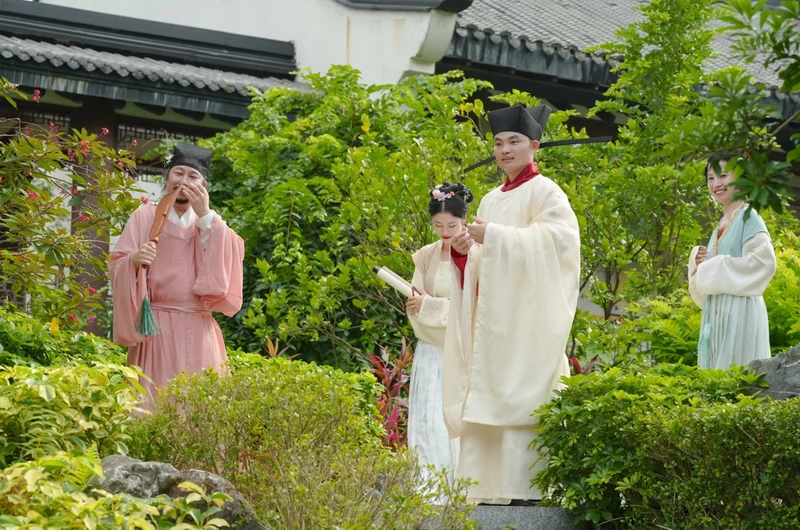
Wearing hanfu is a gentle art. Start with the inner garment, then let the robe drape naturally over your shoulders. Cross the collars and secure everything with a sash at your waist. Take a moment to adjust the sleeves and hem—they’re meant to flow, almost like the clothing itself is moving with you. Once it’s on correctly, you’ll feel more than dressed—you’ll feel part of China’s living history.
2) The Tang Suit: Modern Heritage with a Classic Touch
The Tang suit might carry the name of the Tang dynasty, but it’s actually a modern take on traditional Chinese jackets. Its signature mandarin collar and distinctive frog buttons give it an instantly recognizable look. I’ve always enjoyed seeing people wear Tang suits during Chinese New Year or at cultural events—it radiates a quiet pride and connection to Chinese heritage.
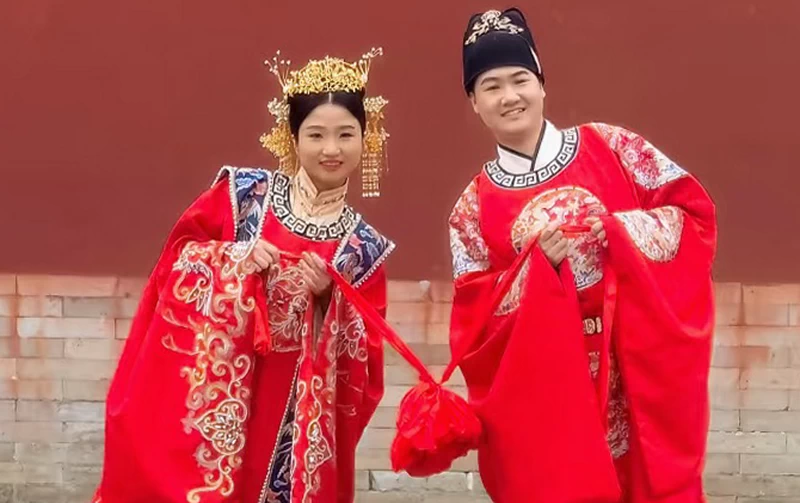
Wearing a Tang suit isn’t just about style; it’s about participating in a living tradition. The clean lines, the careful detailing, and the way it drapes all speak to China’s long history of craftsmanship, while still feeling approachable and contemporary.
3) The Qipao: Elegance in Every Curve
The qipao, or cheongsam, is instantly recognizable for its sleek, form-fitting silhouette, high collar, and graceful side slits. It first rose to prominence during the Qing dynasty, and over the centuries, it has become a symbol of refined Chinese elegance. Traditionally made from silk and often adorned with delicate embroidery, every qipao tells a story through its patterns and craftsmanship.
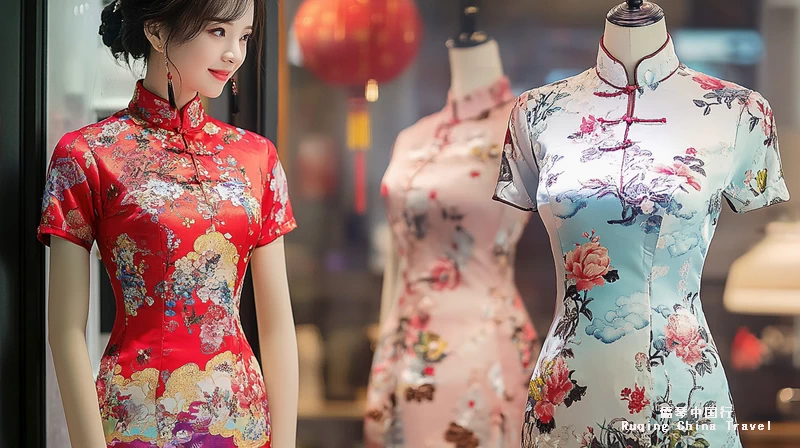
Today, you’ll see the qipao at weddings, festivals, or cultural events, and modern designers have adapted it with contemporary fabrics and cuts. Wearing one is an experience—it’s not just a dress, but a way to step into a moment of Chinese style and sophistication, feeling the subtle balance of tradition and modern flair.
4) Ethnic Minority Clothing: A Living Expression of Culture
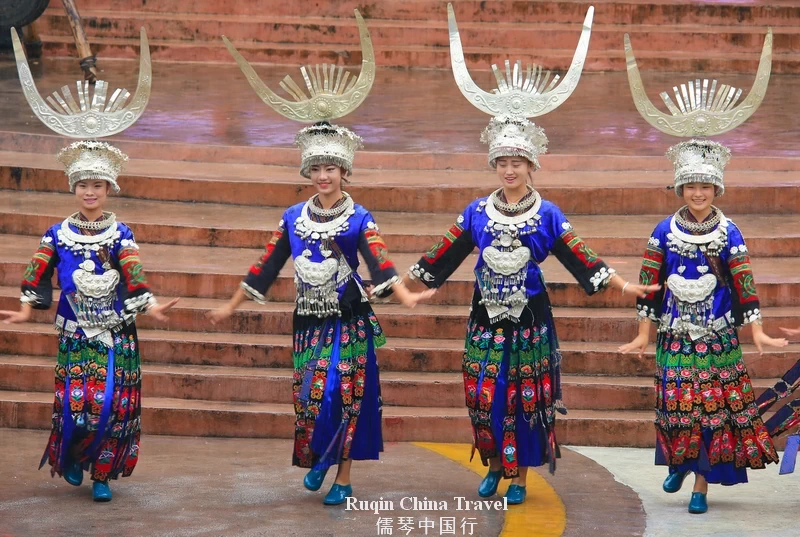
One of the most memorable things I’ve experienced while traveling across China is seeing the incredible variety of ethnic minority clothing. It reminds you very quickly that China’s culture is not one single story—it’s many stories woven together. In places like Yunnan, Guizhou, and Guangxi, traditional dress is still very much part of daily life, especially during festivals, market days, and family celebrations.
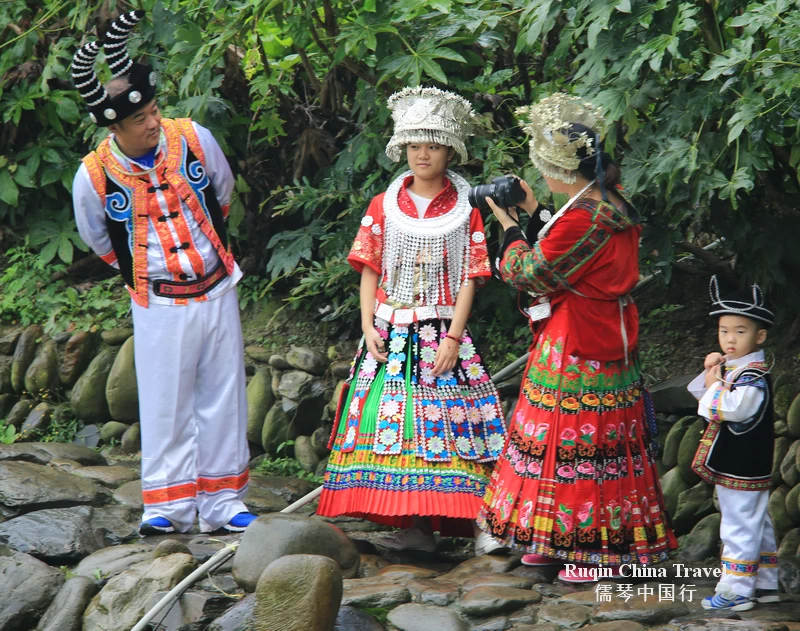
China officially recognizes 56 ethnic groups, and many have their own distinctive clothing traditions. You’ll see bright handwoven fabrics, intricate embroidery, silver jewelry, pleated skirts, embroidered headscarves, and beautifully detailed headdresses—often made using techniques passed down through generations. Among the Miao, Dong, Tibetan, and Uyghur communities, clothing often reflects local identity, family heritage, and even important life milestones.
What I find especially moving is that these garments are not simply costumes for display. They carry memory, craftsmanship, and pride. If you visit an ethnic village or festival in China, take a closer look at the details—the stitching, the colors, the jewelry. Often, each element has meaning. And once you notice that, the clothing becomes more than beautiful—it becomes a living expression of culture.
2. Chinese Clothing Etiquette
If you want to feel fully immersed in Chinese culture, paying attention to clothing etiquette goes a long way. Wearing traditional garments like hanfu or a qipao during festivals, temple visits, or cultural events shows respect and a genuine interest in the culture. But it’s not just about putting on a robe or dress—it’s about wearing it thoughtfully, making sure collars, sashes, and hems are positioned correctly, so your participation feels natural rather than awkward.
What to Wear in China
When deciding what to pack, think about both the climate and the context. In bustling cities like Beijing or Shanghai, modern clothing is perfectly fine—and in fact, most locals wear casual, contemporary outfits day-to-day. But in rural towns, historic villages, or during cultural celebrations, traditional clothing is often appreciated and even expected, so it can be fun to join in.
China Travel Clothing Tips
- Comfort First: You’ll be walking a lot, so sturdy, comfortable shoes are essential.
- Layer Up: Weather can change quickly, especially between morning and evening, so layering keeps you comfortable.
- Respect Cultural Sites: Temples, shrines, and historic areas call for modest attire—cover shoulders and knees, and avoid flashy or overly casual clothing.
Wearing the right clothes isn’t just practical—it helps you connect more deeply with the people and places you’re visiting, making your experience richer and more authentic.
3. Traditional Chinese Clothing in Modern Times
What I find fascinating about China today is how traditional clothing is coming alive again. Young people are embracing hanfu and qipao, often blending classic designs with modern fabrics, colors, and styling. It’s not just fashion—it’s a way of reconnecting with Chinese heritage, a quiet celebration of culture that feels personal and accessible.
Traditional Chinese Dress for Tourists
For visitors, trying on traditional clothing can be one of the most enjoyable ways to experience Chinese culture firsthand. Many shops in historic neighborhoods and cultural streets rent hanfu, qipao, and ethnic attire for a few hours or a day. Wearing one gives you a small but meaningful glimpse into how these garments feel and move—and snapping photos in them makes for keepsakes that are far more memorable than postcards.
Where to Buy Traditional Chinese Clothing
If you’re looking to take a piece of this culture home, major cities like Beijing, Shanghai, and Xi’an have stores dedicated to traditional clothing. Online platforms also offer a wide selection, from modern adaptations to more authentic pieces. When choosing, I always advise paying attention to fabric quality and craftsmanship—the details in stitching, embroidery, and material can make all the difference between a pretty costume and a piece of living culture.
4. Understanding Chinese Traditional Dress Etiquette
Clothing in China often carries meaning beyond style. Colors, fabrics, and even when something is worn can quietly signal celebration, respect, or remembrance. You don’t need to know every detail as a visitor, but understanding a few basics can help you feel more comfortable—especially if you’re attending a festival, wedding, tea ceremony, or family gathering.
The first thing many travelers notice is the importance of color. In Chinese culture, red is strongly associated with joy, luck, and celebration. That’s why you’ll see so much red during Lunar New Year, weddings, and festive occasions. Wearing red to a wedding is generally welcome, and often encouraged as part of the happy atmosphere. By contrast, white has traditionally been linked with mourning, remembrance, and funerals, though modern interpretations can vary depending on the occasion and region.
Wearing Traditional Chinese Clothing Respectfully
If you decide to wear hanfu, qipao, or a Tang suit, the most important thing is to wear it with curiosity and respect. Most Chinese people are genuinely pleased to see foreign visitors appreciating traditional culture. You don’t need to get every detail perfect—but a thoughtful approach is always appreciated.
A few simple things help:
- Keep the styling balanced. Traditional clothing usually looks best with simple shoes, understated accessories, and minimal distractions.
- Choose the right setting. Historic districts, temple fairs, festivals, gardens, and cultural performances are all wonderful places to wear traditional dress.
- Learn a little of the meaning behind it. Even knowing whether you’re wearing hanfu or qipao—and what period inspired it—makes the experience more meaningful.
- Follow the occasion. Bright festive colors work beautifully during celebrations, while more subdued tones feel more appropriate for temples or formal cultural spaces.
One thing I often tell travelers is this: don’t worry too much about “getting it wrong.” Chinese clothing culture is very much alive and evolving. Today, many young people mix traditional dress with modern hairstyles, handbags, boots, or sneakers—and that blend is part of contemporary Chinese style too.
Traditional Chinese clothing offers more than beauty—it offers a deeper way to understand China itself. From the flowing sleeves of hanfu to the elegance of the qipao and the clean lines of the Tang suit, each style carries memory, meaning, and a connection to the past.
For visitors, wearing Traditional Chinese clothing can become more than a photo opportunity. It’s a small but memorable way to step closer to Chinese culture—through fabric, tradition, and the stories woven into every detail.
About the Author
Ruqin is the founder of Ruqintravel.com and has spent more than four decades working in China’s travel industry. Drawing on hands-on experience in cities like Beijing and Hangzhou, he personally researches and updates each guide to help international travelers navigate China with confidence.
Further Reading
Chinese Dragon: Myths, History, and Symbolism
The Architecture of Siheyuan and Hutongs in Beijing – Your Complete Guide
Chinese Zodiac Signs Explained – A Foreigner’s Guide
Traditional Chinese Music Instruments – A Foreigner’s Guide
Chinese Seal Carving – A Foreigner’s Guide
Chinese Seal Carving – A Foreigner’s Guide