
Written and updated by Ruqin
Last updated: May 22, 2026
The first time I walked into Beihai Park, I remember hesitating at the entrance—unsure which gate to use or how much time I really needed. That’s exactly why I put this guide together: to show you how to visit Beihai Park without second-guessing every step.
Inside, I’ll walk you through the best routes, key sights like the White Dagoba and Nine-Dragon Screen, plus quiet corners most visitors miss. You’ll also get clear ticket tips, maps, and practical advice so your visit feels easy and well-paced from the start.
1. A Park That Grew with Beijing’s History
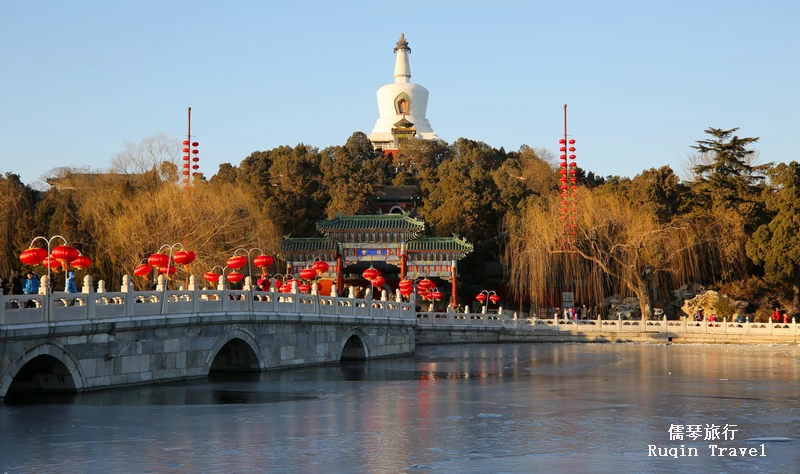
The first time I stood by the lake and looked up at the White Dagoba, it didn’t feel like just a park—it felt layered, like every path had a past. Beihai isn’t something that was built all at once. It slowly grew alongside Beijing itself.
It began over 1,000 years ago in the Liao Dynasty, then expanded through the Jin and Yuan periods when emperors reshaped the island and lake into a royal retreat.
By the Ming and Qing dynasties, it became part of the imperial garden system beside the Forbidden City. The White Dagoba you see today was added later, replacing an older palace hall.
After 1925, the gates finally opened to the public—and that’s the version you get to walk through now.
2. Where Beihai Park Sits — And How It’s Laid Out
The first time I tried to find Beihai Park, I didn’t realize how close it was to everything. You’re just a short walk from the Forbidden City, with Jingshan Park right across the street. Yet the moment you step inside, the noise drops away—it feels surprisingly calm for such a central spot.
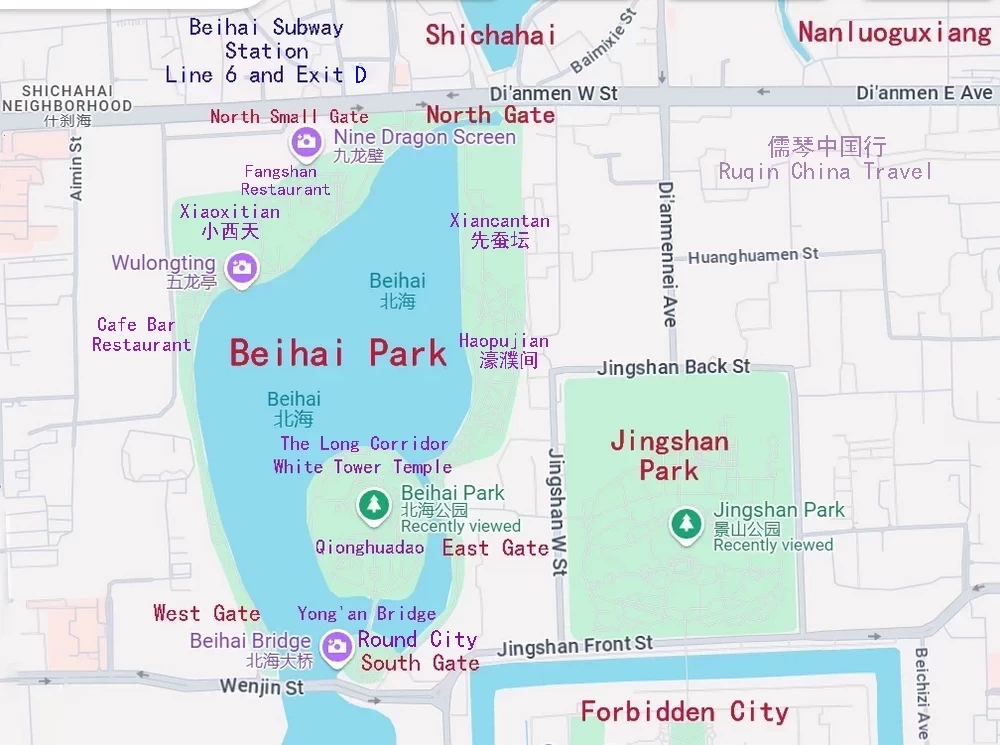
The park is built around a large lake, with Qiongdao (Jade Isle) rising at the center—that’s where you’ll see the White Dagoba.
Around it, the park spreads into four main areas: the island, East Shore, North Shore, and the Circular City near the south gate. There are four entrances (south, north, east, and west), and choosing the right one really shapes how your visit flows.
3. How to Get to Beihai Park
Beihai Park, with its five entrances, offers various options for visitors to explore the park depending on their route and preferred mode of transportation.
By Subway
The easiest way to reach Beihai Park by subway is to take Line 6 and get off at Beihai North Station. From Exit D, it’s just a short 400-meter walk east to the park’s north gate ticket office. Alternatively, you can also take the subway to nearby stations like Nanluoguxiang or Shichahai. These stations are well-connected and offer quick access to Beihai Park.
By Bus
If you’re traveling by bus, the South Gate of Beihai Park is the most convenient entrance. Several bus lines stop near the south entrance, including Routes 5, 101, 103, 109, 124, 685, and the Sightseeing Buses 1 and 2. Depending on where you’re coming from and the time of day, these buses are a comfortable option to reach the park’s southern entrance.
By Taxi or Walking
Taxis are another easy way to reach Beihai Park. Simply tell the driver your destination, and they will drop you off at your preferred entrance. For those who enjoy walking, Beihai Park is within walking distance from famous landmarks like Tiananmen Square, the Forbidden City, Jingshan Park, and Shichahai. A stroll through Beijing’s historical areas will provide a scenic and cultural experience before arriving at the park.
With these convenient transportation options, reaching Beihai Park is simple and stress-free, allowing you to focus on enjoying the beauty and tranquility of this iconic garden.
4. Tickets and Opening Hours (What to Expect at the Gate)
The first time I came here, I paused at the ticket window longer than I expected—mainly because I wasn’t sure if I needed the combo ticket or not. It’s simple once you know what you’re looking at.
Ticket Prices
High Season (April 1 – October 31)
- Standard Ticket: ¥10 (does not include Tuancheng, Yong’an Temple, Yilan Hall)
- Combo Ticket: ¥20 (includes all paid areas)
Low Season (November 1 – March 31)
- Standard Ticket: ¥5
- Combo Ticket: ¥15
Children & Seniors
- Free: Kids under 6 or under 1.2m, and seniors 60+ (with ID)
- Half-price: Ages 6–18 (¥5 high season / ¥2.5 low season)
Opening Hours
- High Season: 6:00 AM – 9:00 PM
- Low Season: 7:00 AM – 7:00 PM
How to Buy Tickets
You can buy tickets at any gate—it’s straightforward. But on weekends or holidays, I usually book online ahead of time to avoid the small but annoying queues.
5. Key Attractions in Beihai Park
Beihai Park is a vast imperial garden in the heart of Beijing, offering a rich blend of historical culture and natural beauty. Here are some of the park’s key attractions, each with its own unique charm:
1) Qionghua Island (琼华岛)
Qionghua Island offers breathtaking views and is home to the White Pagoda of Yong’an Temple at its peak. The island is accessible and suitable for all ages, with its towering ancient trees and perfectly arranged pavilions and towers.
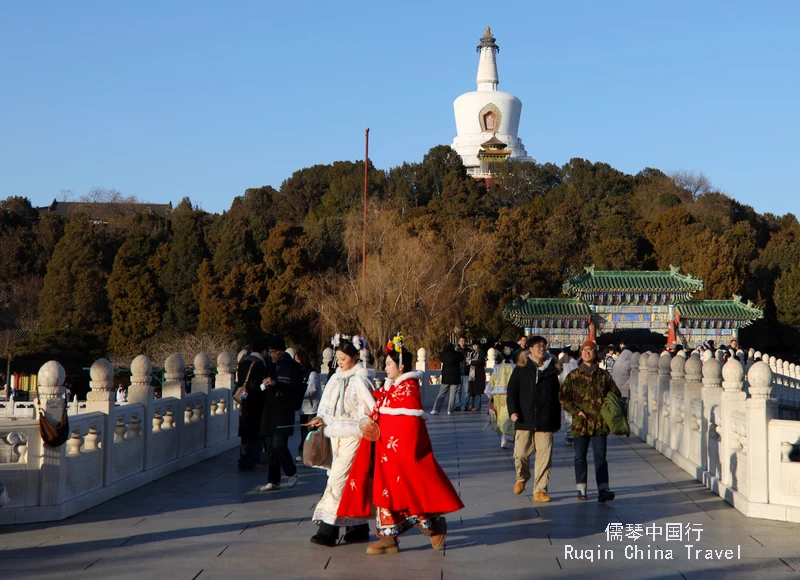
It provides visitors with a mix of nature, history, and architecture, all within a peaceful environment.
2) Nine-Dragon Wall (九龙壁)
The Nine-Dragon Wall in Beihai Park is one of the only double-sided dragon walls in China. Crafted with intricate mosaics and colorful ceramic tiles, the wall features nine majestic dragons.
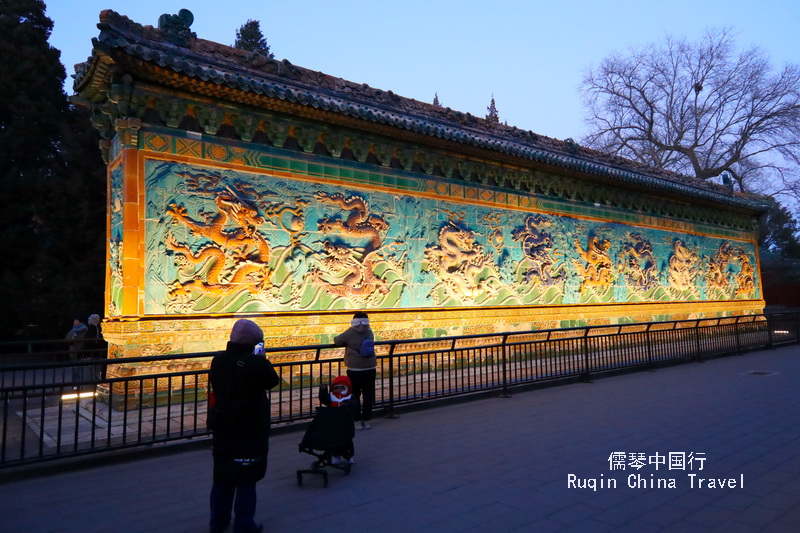
It is an exceptional example of ancient Chinese art, depicting the power and symbolism of the dragon, which represents imperial authority and good fortune.
3) Xiaoxitian (Small Western Paradise) 小西天
Located at the far western end of Beihai Park’s northern shore, the “Small Western Paradise” (Xiaoxi Tian) is a peaceful retreat. It includes the Jile World and Wanfo Tower complexes.
Construction began in 1768 during the 33rd year of the Qianlong Emperor’s reign and was completed by 1770. This was built to celebrate the 80th birthday of his mother, Empress Dowager Xiaoshengxian.
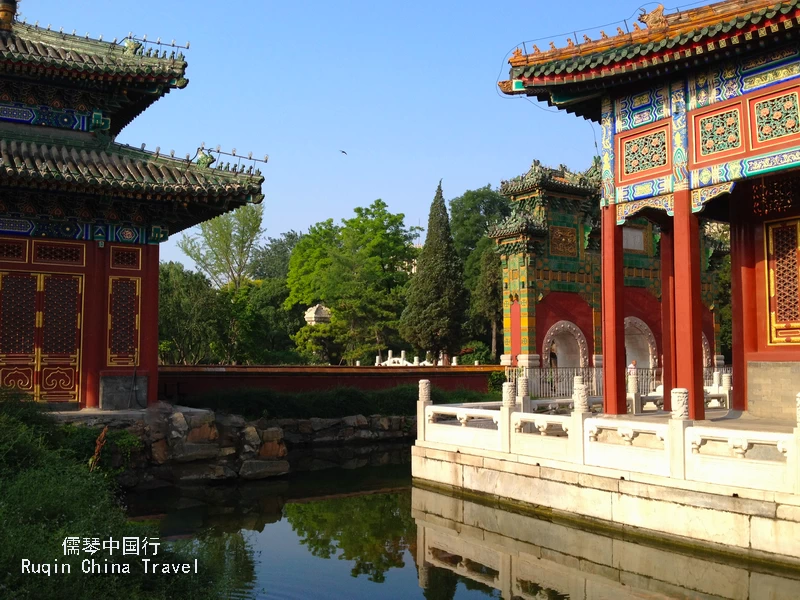
The main structure in Small Western Paradise is the Jile World Hall, covering 1,200 square meters. It is the largest square pavilion-style palace in China. The hall features four open corridors and is surrounded by water.
Elegant glazed archways and stone bridges cross the water, adding to the grandeur of the building. Its impressive scale and intricate details make it a masterpiece of imperial architecture.
4) Wulong Pavilion (五龙亭)
The Wulong Pavilion is a stunning architectural feature, with five pavilions connected by dragon-shaped corridors. The pavilions are perfect for appreciating the park’s fish-filled ponds and enjoying the moonlit views at night.
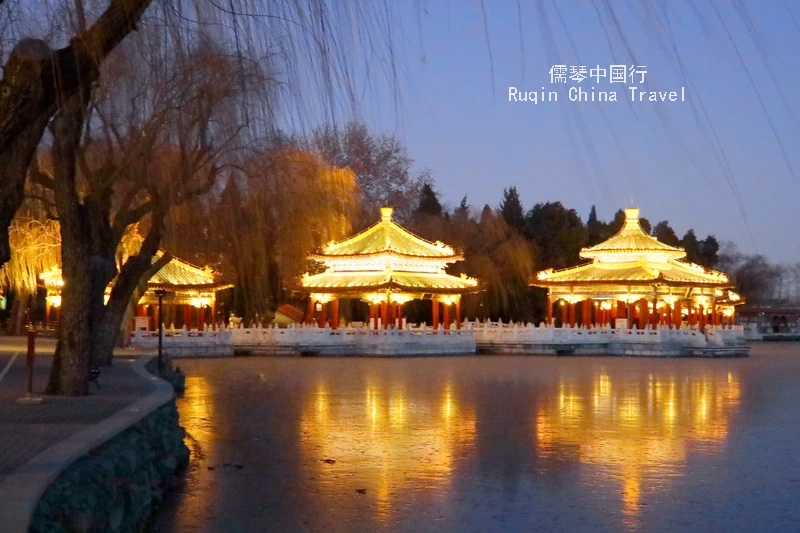
The picturesque setting, with its calm waters and scenic landscapes, makes it an excellent spot for photography and reflection.
5) Xiancantan (Silkworm Altar) 先蚕坛
The Silkworm Altar (Xiancantan) in Beihai Park was built in 1742 during the Qianlong period of the Qing Dynasty. It was a place where royal ceremonies for the silkworm goddess, Leizu, were held in spring. The altar’s architecture is square, with a single story. Surrounding it are mulberry trees, and the entrance faces south.
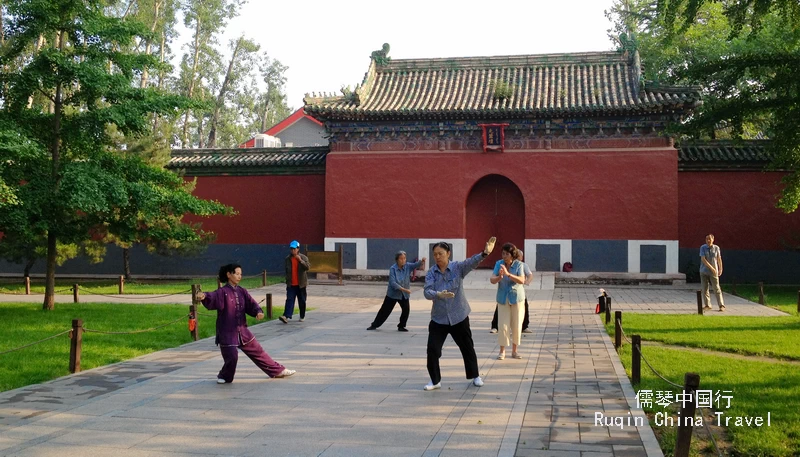
To the east, a platform for viewing mulberry trees offers a scenic view, while the northern section leads to the “Silkworm Gate,” adorned with green glazed tiles.
6) Jingxin Studio (静心斋)
Jingxin Studio is a peaceful retreat, famous for its rock formations and charming little bridges over flowing streams. This serene spot once served as the Crown Prince’s study.
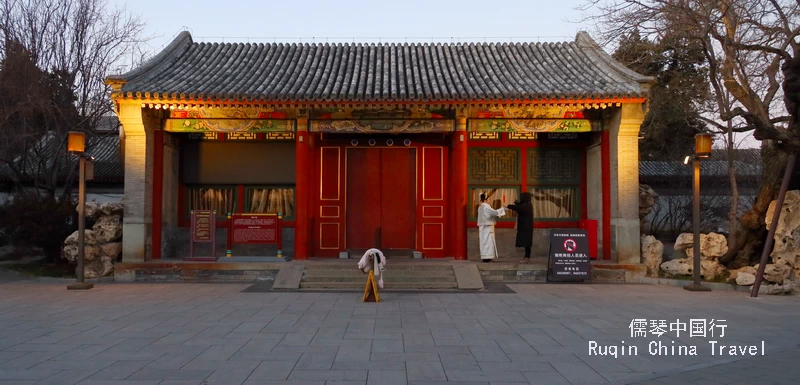
Today, it’s a popular place for visitors to relax and take photographs, offering a perfect backdrop of nature combined with traditional Chinese garden aesthetics.
7) Xitian Fanjing (西天梵境)
This Buddhist temple within Beihai Park is home to the Daci Zhenru Hall, which preserves rare golden nanmu wood from the Ming Dynasty. The hall’s ancient, calming atmosphere is enhanced by the delicate scent of incense.
Visitors are drawn to the temple’s tranquility and the deep sense of history embedded in its architecture.
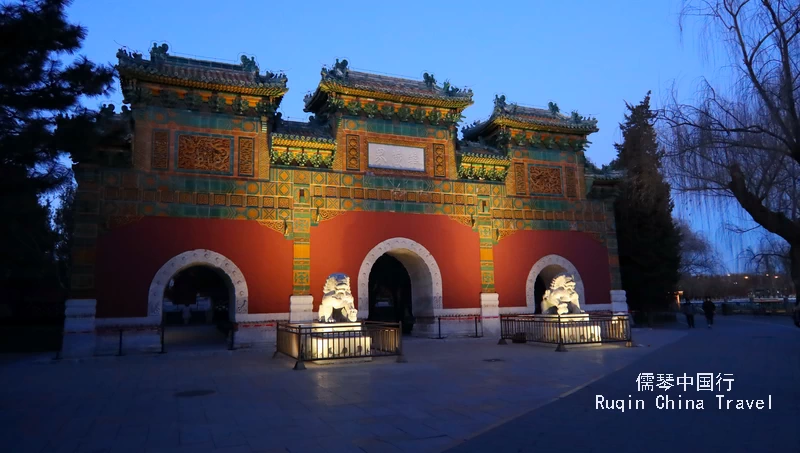
Beihai Park’s Xitian Fanjing has a four-pillared, seven-story glazed archway in front of it. The archway, facing south towards Taiye Pool, is inscribed with the words “Huacangjie” (华藏界).
8) Iron wall (铁影壁)
The Iron Wall (铁影壁) is a relic from the Yuan Dynasty (1271 to 1368). Carved from volcanic rock, its brownish color and iron-like texture gave it its name.
Originally located outside Jiande Gate (now Deshengmen Tower), it was moved to Beihai Park in 1947. In 1986, the original base was restored.
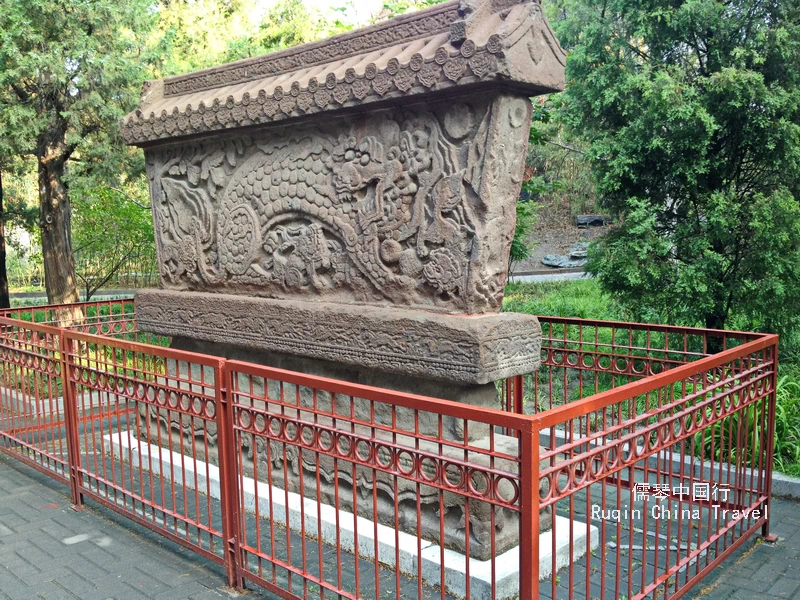
The Iron Wall is China’s only single-block stone carving screen wall and a masterpiece of Yuan stone art, offering valuable insights into ancient sculpture.
9) Tuancheng (Round City) 团城
The “Three Treasures” of Tuancheng are fascinating relics of Beihai’s past. These include Kublai Khan’s giant wine jar, a white jade Buddha, and an ancient pine tree favored by Emperor Qianlong.
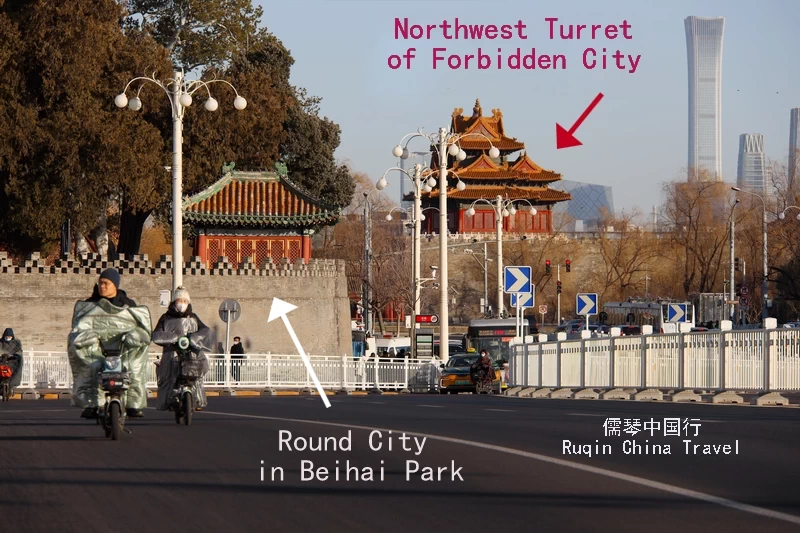
Each item tells a story of imperial history, making this a must-see spot for history enthusiasts looking to delve deeper into China’s past.
10) Yilan Hall (漪澜堂)
Yilan Hall, located on the northern side of Qionghua Island in Beihai Park, is a historic Qing Dynasty building complex. It was built in 1751 during the 16th year of Emperor Qianlong’s reign. Originally, it served as a space for royal leisure, dining, and cultural activities.
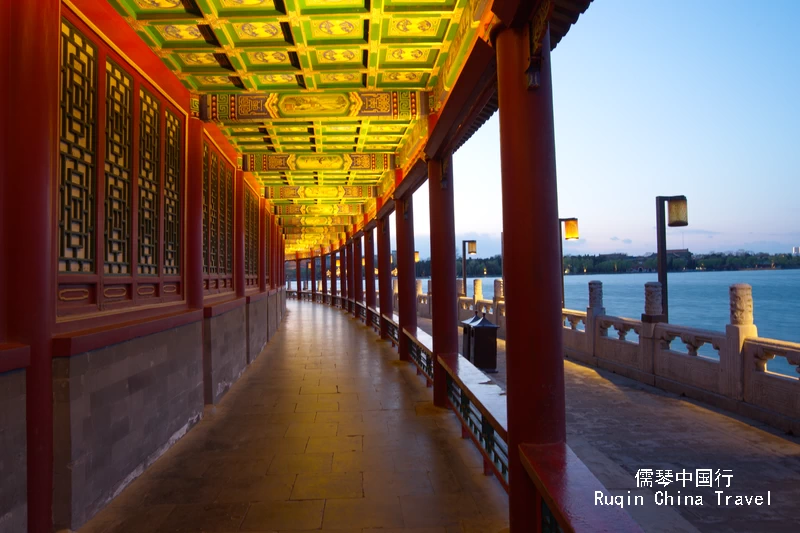
The design of Yilan Hall was inspired by the “Temple on a Hill” concept from Jinshan Temple in Zhenjiang, incorporating the mountain into the architecture to create a unique garden landscape.
11) Kuaixue Hall (快雪堂)
Kuaixue Hall is an iconic building dedicated to calligraphy, featuring three courtyards that display the elegance of traditional Chinese art.
Here, visitors can explore the fascinating world of calligraphy, gaining insight into this revered Chinese cultural practice. The hall’s peaceful surroundings make it an ideal place for both relaxation and inspiration.
12) Haopujian (濠濮间)
Haopujian is a secluded, tranquil area that feels like a hidden gem within Beihai Park. It combines the beauty of mountain and water, offering visitors a peaceful escape.
The serene environment, with its natural harmony and minimal human activity, makes it an ideal place for those seeking solitude or a quiet place to reflect.
13) Huafang Studio (画舫斋)
Huafang Studio is a historically rich structure inspired by Ouyang Xiu’s “Huafang Zhai Ji,” a text about the beauty and elegance of the garden.
This traditional pavilion, with its antique design, captures the essence of classical Chinese architecture. Visitors can enjoy the elegance of its design while reflecting on the beauty of the surrounding lake and garde
6. Beihai Park Walking Routes and City Walk
Make the most of your visit to Beihai Park by incorporating it into a scenic city walk through Beijing. You can easily combine the park with other famous attractions like Jingshan Park, the Forbidden City, Tiananmen Square, Shichahai, Nanluoguxiang, and Xishiku Church, creating a day full of exploration.
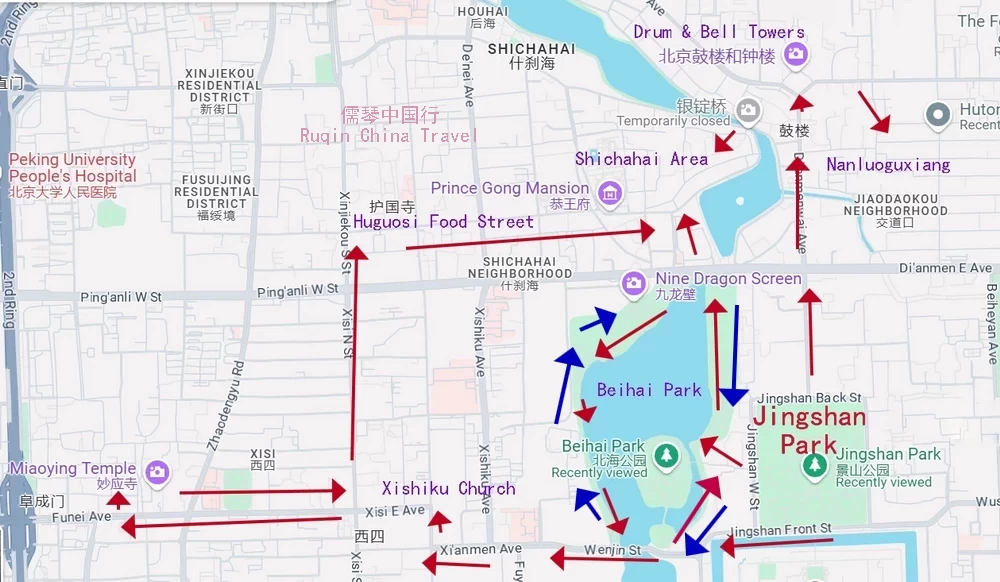
Choosing the right entrance to Beihai Park will depend on your travel itinerary, as each gate offers a unique experience. Here are some suggested routes for a perfect day of sightseeing:
1) Tiananmen Square – Forbidden City – Beihai Park (South Gate)
Start your adventure at Tiananmen Square, then explore the Forbidden City. From there, head to Beihai Park’sSouth Gate.
After enjoying the park’s beauty, exit through the North Gate and visit Houhai (Shichahai) and the Drum Tower, followed by the Lama Temple. This route combines Beijing’s imperial history with the tranquility of Beihai Park.
2) Lama Temple – Shichahai – Beihai Park (North Gate)
Start at the Lama Temple, a vibrant Tibetan Buddhist site. From there, explore Shichahai’s lakeside charm, then enter Beihai Park through the North Gate.
Wander through Qionghua Island and the Circular City, then exit through the South Gate to continue your journey. This walk offers a mix of spiritual, historical, and natural sights.
3) Jingshan Park – Beihai Park (East Gate)
After visiting Jingshan Park for panoramic views of Beijing, head to Beihai Park through the East Gate. Stroll through its scenic landscapes, then exit through the North Gate to exploreHouhai (Shichahai) nearby.
This route lets you enjoy the best of Beijing’s parks and scenic areas.
4) Beihai Park (South Gate) – Houhai (Shichahai)
Enter Beihai Park via the South Gate, where you can relax and explore Qionghua Island. Afterward, exit through the North Gate and head to Houhai (Shichahai), famous for its lakes and lively bars. This is a great route if you want to unwind and enjoy the lake views.
Beihai Park (West Gate) – Wenjin Street – Xishiku Church – Miaoying Temple
Start at Beihai Park’s West Gate, then stroll along Wenjin Street, a charming lane lined with traditional Beijing-style homes. Next, visit Xishiku Church and finish your walk at Miaoying Temple. This route offers a blend of culture, local life, and historic landmarks, giving you a more intimate view of the city.
These suggested routes offer a well-rounded Beijing experience, combining history, culture, and natural beauty, ensuring a memorable day of exploration.
7. Drinks and Dining at Beihai Park
Beihai Park offers a range of dining options. Fangshan Restaurant serves traditional imperial cuisine, while Qingfeng Steamed Bun Shop is perfect for a quick, tasty snack. For a more relaxed atmosphere, cafes and bars along the northwest shore offer scenic views and a variety of beverages and light meals.
1) Fangshan Restaurant
Fangshan Restaurant, located on the northern shore of Beihai Park, is a historic palace cuisine restaurant with deep roots. Originally founded in 1925 as “Fangshan Tea House,” it began by serving palace-style pastries and snacks, such as meat-filled pancakes, small steamed buns, and pea flour desserts.
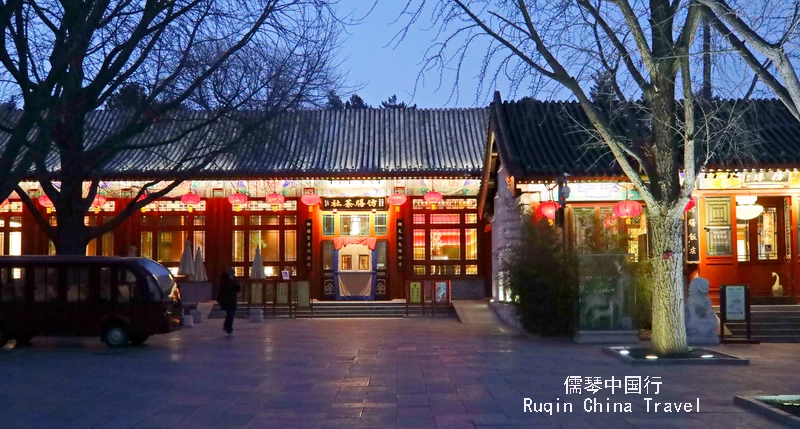
The restaurant is renowned both in China and internationally. Over the years, it has hosted many important events, showcasing the finest Chinese culinary skills and the unique charm of imperial dining culture. In 2011, the restaurant’s “Imperial Palace Cuisine Techniques” were added to the National Intangible Cultural Heritage list, a recognition of its significance.
With its rich history and cultural importance, Fangshan Restaurant remains a must-visit for anyone interested in experiencing authentic royal cuisine.
Address: Near Kuaixuetang, Beihai Park
Phone: 010-64041184
Business Hours: 11:00-14:00, 17:00-20:00
2) Qingfeng Steamed Bun Shop
Qingfeng Steamed Bun Shop is simple and unpretentious, yet offers great value. Located within the Beihai Park Qiongdao Area, it’s the perfect spot for a quick, delicious meal.
The buns here are well-loved, with a variety of fillings like vegetarian, pork and green onion, shrimp, and winter bamboo shoots.
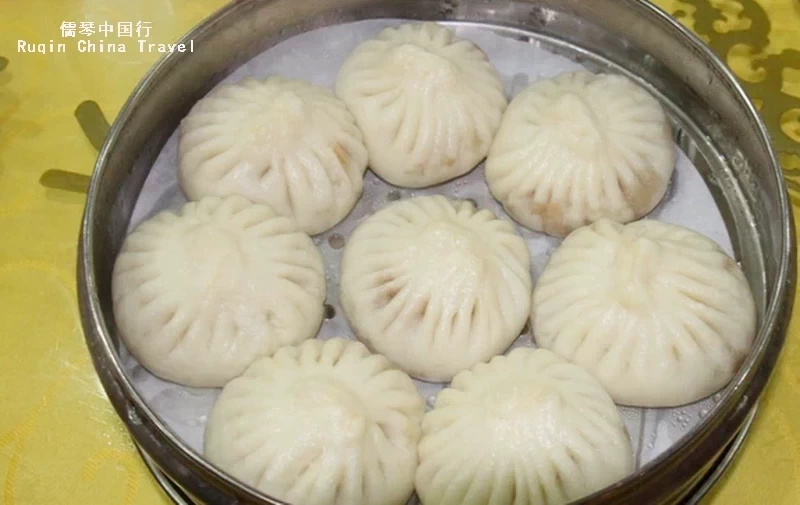
Despite its small size, the shop is clean and tidy. The service is efficient and friendly, adding to the overall pleasant experience. The prices are affordable, making it a popular choice for those exploring the park. If you’re looking for a quick bite in a scenic spot, Qingfeng is a solid choice.
Address: On Qionghua Island, Beihai Park
Phone: 010-64068872
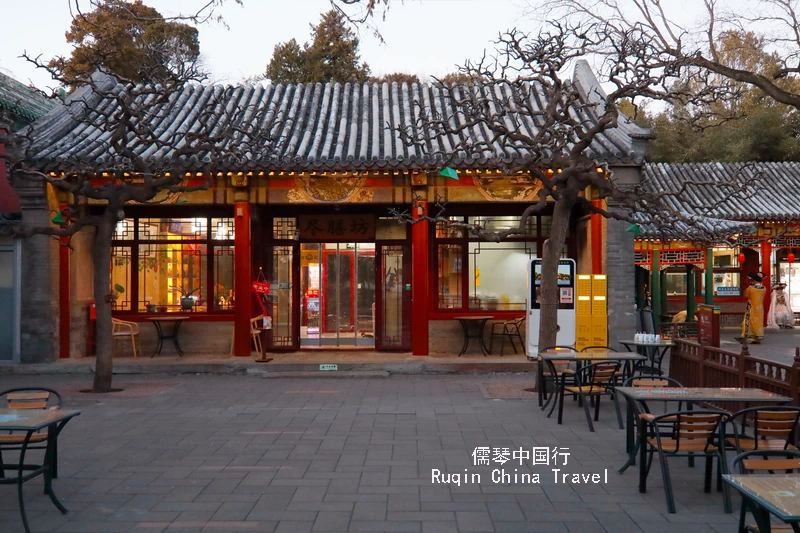
For a more relaxed atmosphere, cafes and bars along the northwest shore offer scenic views and a variety of beverages and light meals.
8. Best Times to Visit Beihai Park
Best Time of Day
Mornings in Beihai Park are truly magical. As Beijing wakes up, the park fills with energy. Locals practice tai chi, sing, and dance.
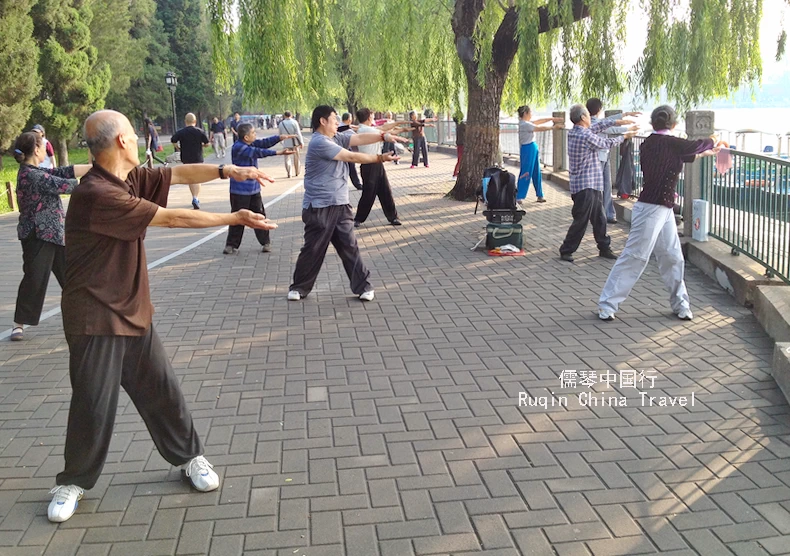
These morning activities offer a glimpse into the daily life of the city’s residents. Visitors can even join in, making for a unique, immersive experience.
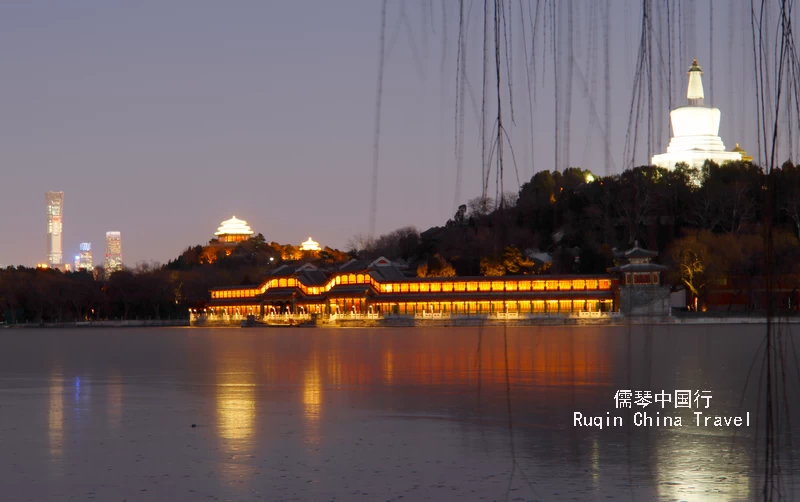
After sunset, Beihai Park transforms into a beautifully lit wonderland. The park’s traditional landscape glows under soft lights, creating a peaceful atmosphere. A nighttime stroll here feels calm and romantic.
Best Time of Year
Beihai Park is a year-round destination, with each season bringing its own charm. In winter, the park becomes a hotspot for ice skating.

Summer offers a cool, refreshing retreat. In spring, the park is a sea of blooming flowers. Autumn frames the lake and Qionghua Island against clear blue skies. No matter the season, Beihai Park never fails to impress.
9. Beihai Park Boat Tour Guide
Beihai Park offers a variety of boat options for visitors to enjoy the lake. Here’s a guide to help you choose the best boat experience:
Types of Boats and Prices
Beihai Park provides several boat choices, including electric boats, paddle boats, and the popular giant duck boats. Prices are as follows:
- Four-Person Electric Boat: ¥180 per hour, deposit ¥400
- Four-Person Pedal Boat: ¥120 per hour, deposit ¥400
- Giant Duck Boat: ¥160 per hour
- Six-Person Electric Boat: ¥220 per hour, deposit ¥600
- Eight-Person Boat: ¥320 per hour, deposit ¥800
Boat Hours and Locations
Boat rentals are available from 9:00 AM to 5:00 PM. However, small boats stop selling tickets at 4:00 PM, and the last large boat departs at 4:40 PM.
Main Docks and Boat Types
- South Gate Dock: Offers small yellow duck boats and bee-shaped boats, ideal for children.
- East Gate Dock: Features giant duck boats, perfect for family fun.
- North Shore Dock: Provides standard boats and ferries, great for a scenic lake tour.
- Dock #2 (Rowboat Dock): Offers traditional rowing boats, suitable for groups.
- Dock #4 (Lotus Boat Dock): Features lotus-shaped boats, a fun choice for kids.
- Dock #6 (Dragon Boat Dock): Offers dragon boats for group activities and team building.
Whether you’re looking for a peaceful solo ride or a fun family outing, Beihai Park’s boats provide a delightful way to explore the park’s scenic lake.
It’s hard to explain, but Beihai Park is one of those places where Beijing slows down. I’ve come here on busy afternoons and quiet mornings—and somehow, it always feels steady and calm. That’s why learning how to visit Beihai Park makes such a difference.
With a simple route and a bit of timing, you’ll move easily from lakeside views to temple hills without feeling rushed. Take your time here. Sit by the water, watch locals pass by, and let the park unfold naturally as you walk.
About the Author
Ruqin is the founder of Ruqintravel.com and has spent more than four decades working in China’s travel industry. Drawing on hands-on experience in cities like Beijing and Hangzhou, he personally researches and updates each guide to help international travelers navigate China with confidence.
Further Reading
Beihai Park Autumn Leaves: Fall Foliage Map & Photo Spots
Beihai Park in a Wheelchair: Accessible Paths & Toilets in Beijing