
Written and updated by Ruqin
Last updated: March 28, 2026
If you’re planning a trip to the Great Wall, choosing between Mutianyu or Jinshanling can feel like a challenge. Both offer stunning views, rich history, and unforgettable hikes—but they deliver completely different experiences.
So how do you decide between the Mutianyu Great Wall or Jinshanling Great Wall? This guide breaks down the real differences. Whether you’re chasing quiet mountain paths or a smooth day trip, you’ll soon know which one fits your travel style.
A First Look: What Makes Each Wall Unique?
When choosing between Mutianyu or Jinshanling, it helps to understand what sets them apart. Both are breathtaking, but the feeling they offer is completely different.

Mutianyu Great Wall
Let’s start with the Mutianyu Great Wall. This section lies in Huairou District, just 70 kilometers from central Beijing. That means you can get there in about 1.5 to 2 hours by car. First-time visitors often choose it for a reason. The Wall here is fully restored, with strong stonework and towering watchtowers that look like they’ve been pulled straight from a history book. In addition, the facilities are excellent—cable cars, restrooms, cafés, and even a toboggan ride down the slope.
However, that convenience comes with a cost. Mutianyu tends to attract larger crowds, especially on weekends or public holidays. If you’re hoping for solitude, you might need to look further.
Now let’s head northeast to Jinshanling Great Wall, located in Hebei’s Luanping County. It’s about 130 kilometers from Beijing and takes roughly 2 to 2.5 hours to reach. But the reward is worth the longer drive. Jinshanling is quieter, wilder, and far less polished. Here, restored sections blend into crumbling, ancient ruins. The views stretch endlessly across untouched hills, and often, you’ll have the path to yourself.
So, when deciding between the Mutianyu Great Wall or Jinshanling Great Wall, ask yourself: do you want comfort and ease, or adventure and silence?
What You’ll See and Feel: Scenery & Experience Compared
Still torn between Mutianyu or Jinshanling? Let’s walk through what it actually feels like to stand on each one.
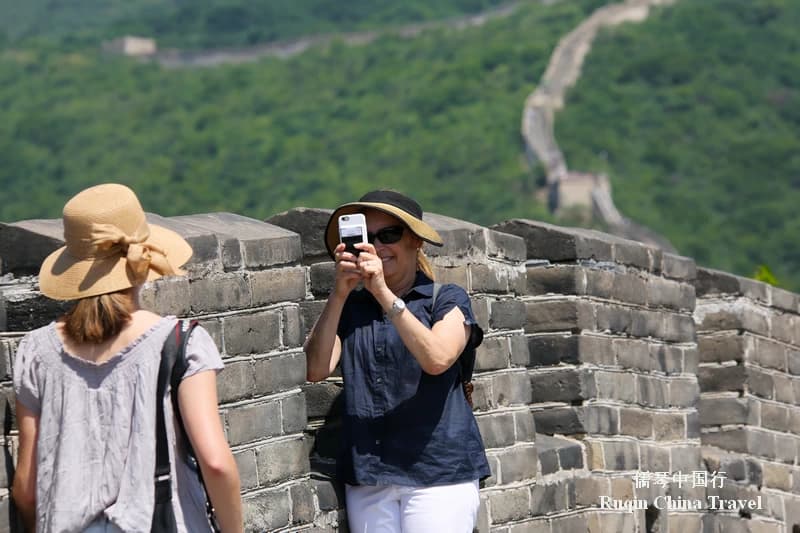
At the Mutianyu Great Wall, everything looks neat and bold. Much of it has been fully restored. The walls rise strong and symmetrical. Watchtowers appear every few hundred meters, offering dramatic silhouettes against the sky. It feels grand—almost cinematic.
Jinshanling Great Wall
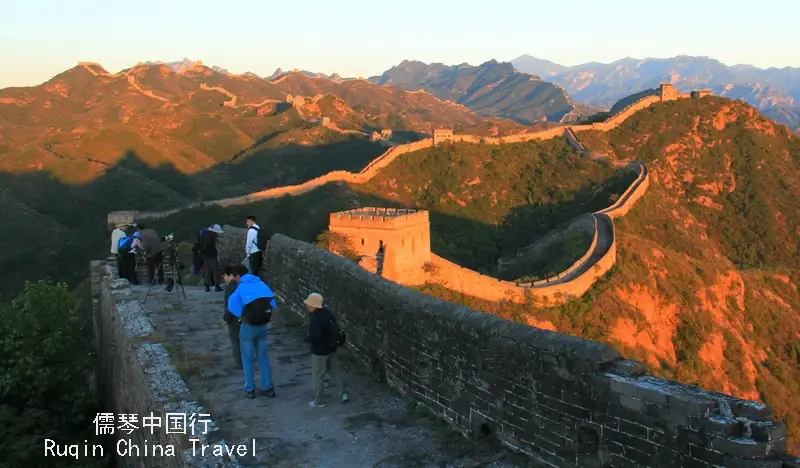
Meanwhile, Jinshanling Great Wall tells a different story. Here, time has left its mark. Parts of the Wall crumble slightly, leaning into the past. Some towers stand proud. Others wear the scars of weather and war. You’ll see both restored and wild sections blending together. It feels more like you’ve discovered a secret, rather than arrived at a tourist site.
Next, think about the crowds. Mutianyu, thanks to its convenience, draws more visitors. Especially in fall, when the red leaves burn bright across the hills. It’s still stunning—but not exactly quiet. Jinshanling, on the other hand, often feels empty in the best way. Hike a little farther and you might hear only the wind and your own footsteps.
Photographers take note: Mutianyu gives you that classic Great Wall postcard shot. But Jinshanling’s sunrise and sunset scenes? Unforgettable. The golden light spills across mountains, touching both stone and wildflowers in spring.
Finally, ask yourself: how much do you want to walk? Mutianyu is friendly—with a cable car and even a toboggan. Jinshanling is tougher. Some climbs are steep. But the reward is raw beauty and silence.
So when it comes to the Mutianyu Great Wall or Jinshanling Great Wall, your choice isn’t just about distance. It’s about the experience you’re looking for.
So… Mutianyu or Jinshanling? How to Choose the Right Great Wall for You
Now that you’ve seen the differences, it’s time to choose. Mutianyu or Jinshanling—which one matches your travel mood?
Choose the Mutianyu Great Wall if this is your first time visiting the Wall. It’s gentle, well-restored, and easy to explore. If you’re traveling with kids or older family members, the smooth steps and cable car make things simple. In addition, Mutianyu fits perfectly into a half-day itinerary. You can be back in Beijing by afternoon tea.
Prefer not to hike too much? This section offers shortcuts—cable cars going up, toboggans going down. Plus, you’ll find clean restrooms, small cafés, and gift shops with snacks and drinks. Everything is set up for comfort.
However, choose the Jinshanling Great Wall if you’ve already seen the more touristy sections. Here, you’ll step into a wilder, more ancient landscape. This is the place for hikers, photographers, and quiet seekers.
Planning to catch the sunrise or sunset over the Great Wall? Jinshanling is ideal. Its open views and quiet towers give you front-row seats to the light show. Just make sure you have a full day—it takes longer to reach and hike.
In the end, deciding between the Mutianyu Great Wall or Jinshanling Great Wall isn’t just about logistics. It’s about what kind of memory you want to carry home: smooth and scenic, or wild and unforgettable.
Practical Tips for Your Great Wall Adventure
Once you’ve chosen between Mutianyu or Jinshanling, it’s time to prepare for the journey. With a little planning, your day on the Wall can go from good to unforgettable.
1) Best Time to Visit
First, pick the right season. Both the Mutianyu Great Wall and Jinshanling Great Wall shine in spring (April–May) and autumn (September–October). The weather is cooler, and the colors are breathtaking—cherry blossoms in spring, golden hills in fall.
However, avoid visiting on Chinese public holidays or weekends. Crowds swell, and peaceful moments can be hard to find. If you’re going to Jinshanling for sunrise, consider staying overnight nearby. That early morning light is worth the extra effort.
2) How to Get There
Getting to Mutianyu is simple. You can book a group day tour, hire a private car, or take a tourist shuttle from Beijing. The trip takes about 1.5 hours.
Jinshanling, on the other hand, feels more remote. Public transport is limited. For convenience, hire a private car or self-drive if you’re confident. The drive takes around 2.5 hours—but rewards you with quiet trails.
3) What to Bring
Wear comfortable walking shoes—this is non-negotiable. Bring a hat, sunscreen, and sunglasses, especially in warmer months. The Wall offers little shade.
Next, pack plenty of water and snacks. Cafés are rare, especially at Jinshanling. Don’t forget your camera and extra batteries. The Wall is long, the views endless—and you’ll want to remember every step.
Still can’t decide between Mutianyu or Jinshanling? The good news is—you don’t have to rush. With enough time, you can enjoy both.
If it’s your first time in Beijing, start with the Mutianyu Great Wall. It offers everything you’d imagine: towering watchtowers, dramatic walls, and well-kept paths. In addition, the cable car and nearby cafés make the trip easy and stress-free. It’s a smooth welcome to one of China’s greatest treasures.
However, if you’re a photographer, hiker, or history lover, the Jinshanling Great Wall may capture your heart. Fewer people, more silence, and wilder views—this section tells the story of the Wall in a raw, poetic way. Catching sunrise there feels like stepping into a forgotten world.
Still torn? Try both. Spend day one at Mutianyu, then head out early on day two for Jinshanling. You’ll see how two sides of the same Wall can feel like completely different journeys.
No matter which section you choose—the Mutianyu Great Wall or Jinshanling Great Wall—your experience will be unforgettable. Just remember: check the weather, start early, and bring your curiosity.
Because in the end, the Great Wall isn’t just something to see. It’s something to feel.
About the Author
Ruqin is the founder of Ruqintravel.com and has spent more than four decades working in China’s travel industry. Drawing on hands-on experience in cities like Beijing and Hangzhou, he personally researches and updates each guide to help international travelers navigate China with confidence.
Further Reading
How to Visit the Great Wall of China: Best Tips, Sections & Routes
Gubeikou Great Wall: Maps, Hikes, Trails, Transport & Travel Tips
How to Get to Jinshanling Great Wall: Buses, Trains, Maps & Tips
How to Get to Badaling Great Wall: Buses, Trains, Maps & Tips
How to Get to Simatai Great Wall: Buses, Trains, Maps & Tips
How to Get to Mutianyu Great Wall: Buses, Trains, Maps & Tips