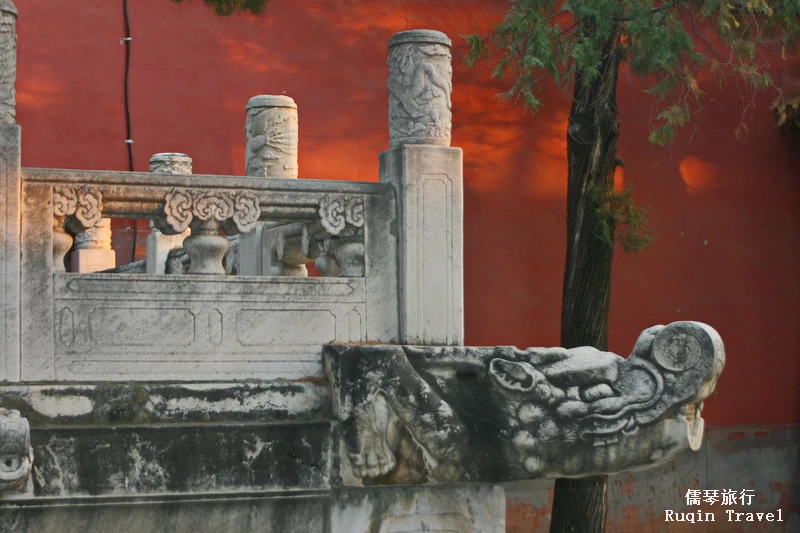

Tour Summary
If you want to understand how emperors ruled, where they lived, and how they prepared for eternity, this is the route I usually suggest.
You’ll begin inside the Forbidden City — the political and ceremonial center of imperial China — and then travel north to the Ming Tombs, where emperors were laid to rest according to strict cosmological principles.
This day connects governance and afterlife. It’s about power — and what came after it.
Route: Forbidden City → Lunch in Central Beijing → Ming Tombs (Dingling)
Duration: 8–9 hours
Best For: History-focused travelers, first-time visitors wanting imperial depth
Travel Style: Monumental heritage with structured pacing
Pace: Balanced (morning walking + afternoon site exploration + driving time)
Who This Route Is Perfect For
- Travelers interested in dynastic history
- Visitors who want to see both the seat of power and imperial burial culture
- Those comfortable with a full but logically structured day
Consider Another Route If
- You prefer a relaxed day within central Beijing only
- You want to include the Great Wall (better done separately)
- You prefer garden landscapes over historical monuments
Why This Route Works
The day begins at the center of authority — the Forbidden City.
From there, you travel outward, physically and symbolically, toward the tomb complex where Ming emperors were buried in a carefully selected feng shui valley north of Beijing.
The progression makes sense:
- Morning: How emperors ruled
- Afternoon: How emperors were remembered
The distance between the two sites helps separate those chapters.
Transport Strategy (Macro Logic)
- The Forbidden City requires advance booking and passport registration.
- After lunch, allow 1–1.5 hours driving time to reach the Ming Tombs (traffic dependent).
- A private vehicle is strongly recommended for the afternoon portion.
- Return to the city before peak evening traffic if possible.
Day Tour Itinerary
The Forbidden City requires advance booking and passport registration. After lunch, allow 1–1.5 hours driving time to reach the Ming Tombs (traffic dependent). A private vehicle is strongly recommended for the afternoon portion. Return to the city before peak evening traffic if possible.
Morning
Forbidden City
Arrive around 8:00–8:30 AM.
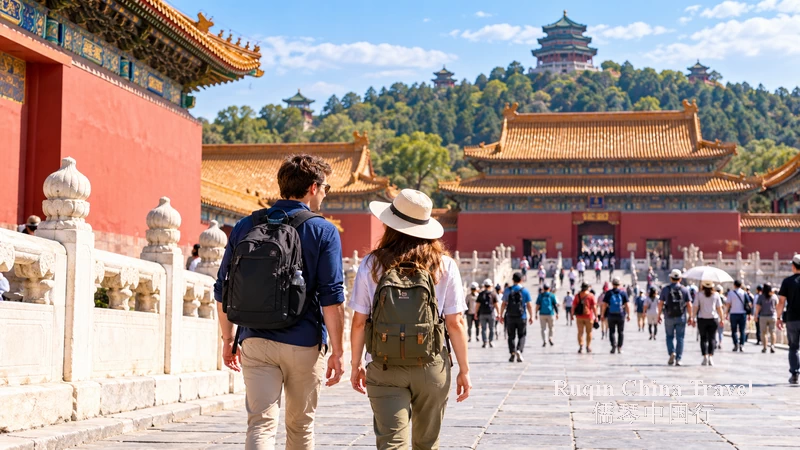
The Forbidden City served as the home and administrative center for Ming and Qing emperors for nearly 500 years. It’s immense — over 900 buildings aligned along a strict north-south axis.

Forbidden Ctiy
As you walk through:
- Meridian Gate
- Hall of Supreme Harmony
- Central ceremonial courtyards
- Inner Court residential quarters
- Imperial garden
I usually explain how architecture reinforced hierarchy. Every doorway, stair level, and roof decoration symbolized rank and authority.
This is not just a palace. It’s a political system built in wood and stone.
Plan 2–3 hours here.
Why morning works best: Crowds are lighter earlier, and the main halls feel more expansive.
Midday – Lunch in Central Beijing
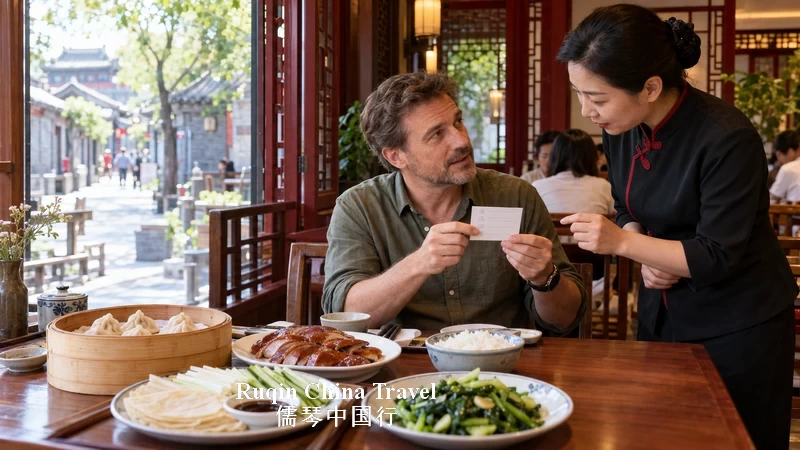
Around 12:00–12:30 PM, enjoy a local Beijing lunch nearby.
Keep it simple:
- Stir-fried dishes
- Noodles or dumplings
- Light seasonal vegetables
Avoid overly heavy meals — the afternoon includes travel and site walking.
Afternoon
Ming Tombs – Dingling
Depart around 1:30 PM for the Ming Tombs area in Changping District, north of Beijing.
The Ming Tombs are located in a carefully chosen valley aligned with traditional feng shui principles — mountains behind, open land in front.
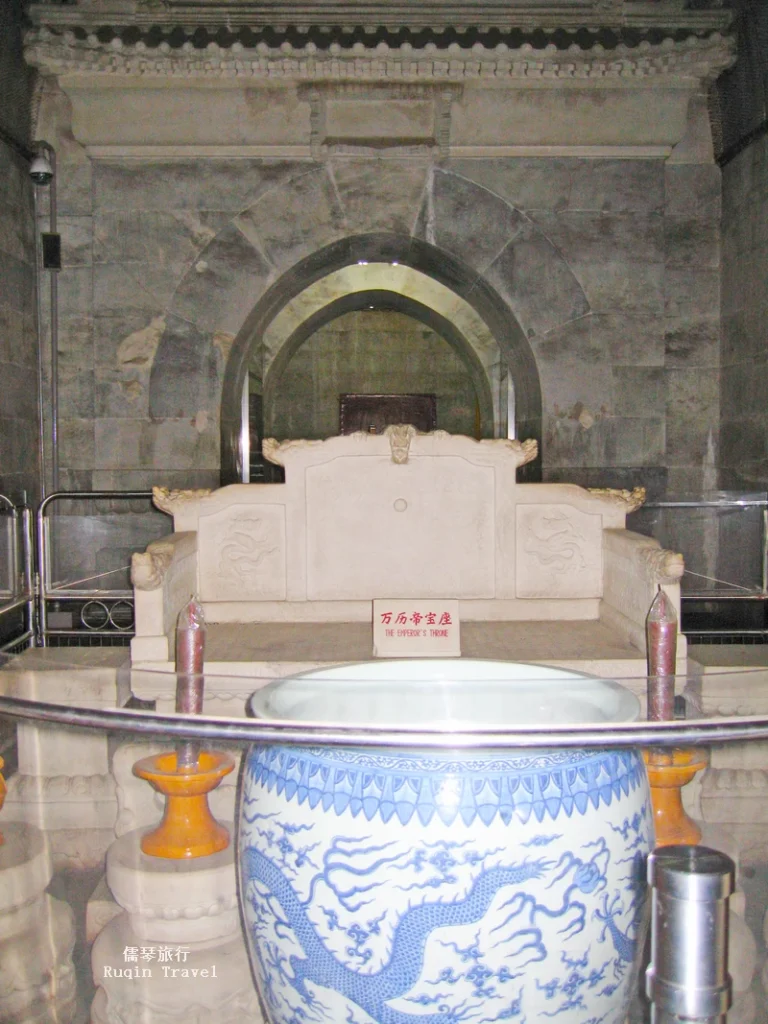
Dingling Tomb – one of the 13 Ming Tombs
You will visit Dingling, the tomb of the Wanli Emperor. It is the only Ming imperial tomb that has been excavated.
Inside, you descend into the underground palace chambers where:
- The emperor’s burial chamber was located
- Stone vaults still stand intact
- Reproductions of burial artifacts are displayed
Standing underground, you sense the scale of imperial preparation for the afterlife.
What I often explain here is how burial architecture reflected cosmology — the emperor continued his rule symbolically even after death.
If time allows, you may also walk a section of the Sacred Way, lined with stone guardian statues.
Plan about 1.5–2 hours onsite.
Around 5:30 PM
Return to your hotel in Beijing.
Depending on traffic, arrival back in the city may vary slightly.
Practical Notes from Me
- Wear comfortable walking shoes (stone pathways and steps at the tomb site).
- Bring water, especially in warmer months — shade is limited in some open areas.
- The underground tomb chambers can feel cooler than outside temperatures.
- Forbidden City tickets must be secured in advance.
If you’d like to deepen this imperial theme further, we can also:
- Add the Temple of Heaven on a separate day
- Combine with the Summer Palace
- Or design a two-day imperial Beijing route
Understanding Beijing’s emperors requires seeing both where they ruled — and where they were laid to rest.
Further Reading
How to Visit Forbidden City: Maps, Walking Routes and Travel Tips
How to Get to Ming Tombs: Maps, Buses, How to Visit & Travel Tips
Questions About Planning Your Trip to China
If you still have questions after reading the guides, you’re very welcome to write to me.
I’ve helped many travelers think through routes, train connections, timing between cities, and the small details that make a trip smoother. If something feels unclear — or you’d simply like a second opinion — I’m happy to help.
Just use the short form below and tell me a little about your plan.
There’s no fee for a simple question. No pressure — just a practical reply based on real experience here in China.
If I’m traveling, replies may take a little time. Thank you for your patience.
We respect your privacy. Your details will never be shared or used for marketing