
China’s traditional festivals are more than just celebrations — they’re living stories told through vibrant colors, ancient customs, and beautiful Traditional Festival Handicrafts in China. As you travel from village markets to mountain towns, you’ll discover local artisans shaping clay, weaving silk, and carving wood — each piece echoing a unique cultural legacy.
In this guide, I’ll take you beyond souvenir stalls and into the heart of China’s traditional craftsmanship. Whether it’s shadow puppets in Shaanxi or hand-dyed fabrics in Guizhou, get ready to explore festival-time treasures that you won’t find anywhere else.
Chapter One: Spring Festival – Where Red Comes to Life
Every winter, just as snow settles over China’s rooftops, the country begins to glow with red and gold. It’s time for Spring Festival — the most important holiday in China.
It falls on the first day of the Lunar New Year, which usually lands between late January and mid-February on the Western calendar. The exact date changes each year, so it’s best to check ahead if you’re planning a visit.
First, the streets come alive. Families sweep out the old year. Then, they dress their doors with bold red banners, hang lanterns, and cut intricate paper designs. Firecrackers crackle in the distance. The air smells of dumplings and incense. It’s more than a celebration — it’s a full-sensory experience of renewal, hope, and homecoming.
But for travelers, the magic isn’t only in the fireworks. It’s in the details — the handcrafted pieces locals create just for the New Year.
Traditional Festival Handicrafts in China: A New Year’s Tradition
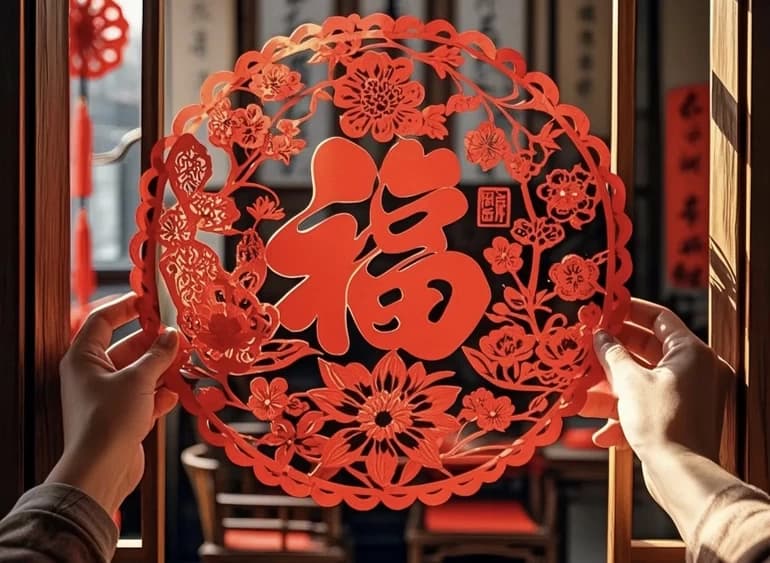
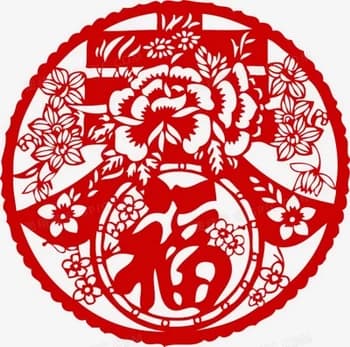
Let’s start with spring couplets and paper cuttings. Bright red paper, black ink, and symbols of fortune — these are some of the most iconic festival souvenirs in China. Artisans carve out characters like “福” (blessing) or images of the zodiac animal for the year. You’ll see them in almost every window.
Next, discover the charm of New Year paintings, or nianhua. The most famous ones come from Yangliuqing in Tianjin and Taohuawu in Suzhou. These hand-printed artworks often feature door gods, lucky children, or golden fish. They’re not just decorations — they’re good luck in living color.
And don’t miss the classic Chinese knots. Twisted from red silk cords into symmetrical patterns, they represent unity and peace. You’ll find them dangling from doorknobs, car mirrors, and gift boxes across the country.
Best Places to Buy Crafts in China During Spring Festival
In Beijing, head to Liulichang Cultural Street. This historic stretch is packed with traditional art shops. Nearby, the Gongmei Mansion at Wangfujing offers finely made paper cuttings and festive home decor.
Next, travel south to Tianjin, where Ancient Culture Street is the go-to spot for authentic Yangliuqing prints. Many workshops let you watch artisans at work — or even try it yourself.
Finally, don’t skip Suzhou’s Shantang Street. It’s home to cozy studios still making Taohuawu woodblock prints by hand. You can chat with artists, learn the symbolism behind each design, and bring home a piece of Spring Festival history.
Why Red Matters
Red isn’t just a color in China — it’s a feeling. It means joy, warmth, and protection. During Spring Festival, every handmade item reflects centuries of tradition and local belief. Whether it’s a paper cut pinned to a window or a knot tied with care, each one carries a quiet wish: may the New Year bring peace and luck.
Chapter Two: Lanterns in the Moonlight – The Romance of the Lantern Festival
Just fifteen days after Spring Festival, when the moon is full and round, another magical night arrives — the Lantern Festival. In 2026, it falls on March 3rd (lunar calendar: 15th day of the first month).
It marks the end of the New Year celebrations — and the beginning of spring’s gentle glow. Families pour into streets lit with glowing lanterns. Children laugh. Couples stroll under fluttering lights. Everyone eats tangyuan, warm sweet rice balls filled with love, peanuts, and sesame paste.
But the real star of the night? The lanterns themselves.
Traditional Festival Handicrafts in China: The Art of the Lantern
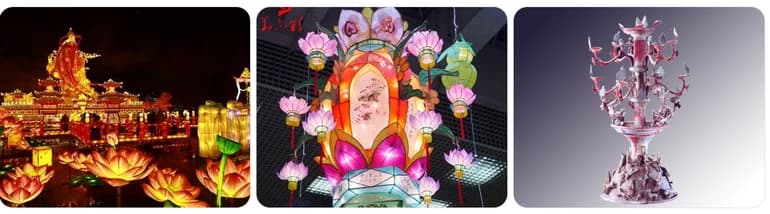
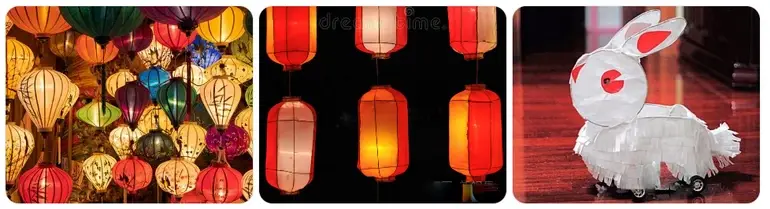
Every region lights up differently. But nearly all use handmade lanterns crafted from bamboo or wire, then covered in silk or colored paper. You’ll see palace lanterns, shaped like octagons, glowing red and gold. Meanwhile, others carry playful animal designs — especially rabbit-shaped lanterns — a favorite with kids.
Next, look closer. Hanging beneath many lanterns are riddle slips — strips of colored paper with clever word puzzles. People stop, read, guess, and giggle. It’s a beloved game that turns the streets into an open-air celebration of wit and light.
These traditional festival souvenirs in China aren’t just pretty. Each one carries a meaning — light chasing away darkness, hope brightening the year ahead.
Best Places to Buy Traditional Festival Handicrafts in China
If you’re chasing the best lantern experiences, start with Nanjing. During the festival, Fuzimiao Qinhuai Lantern Market becomes a wonderland. Lantern stalls line the river. Reflections shimmer on the water. And yes — you can buy beautifully crafted rabbit and palace lanterns directly from local artists.
Next, head west to Zigong, in Sichuan. Known as the “Lantern Capital of China,” this city hosts the Zhonghua Colorful Lantern World. Here, you can watch large-scale lanterns light up like floating sculptures. Look for the market stalls nearby — they sell small handmade lanterns, easy to carry home.
Further east, Xiaoshi in Zhejiang (硖石灯彩作坊) is famous for delicate Xiaoshi Lanterns, known for their hand-painted silk covers and traditional motifs. Small studios in the town still make them the old way — by hand, one frame at a time.
In Beijing, the historic Qianmen Lantern Shop offers nostalgic charm and traditional styles all year round. But if you visit during the Spring Festival season, the Changdian Temple Fair (厂甸庙会(春节期间)) also features a special lantern section, buzzing with local families and crafters.
Still want more? Fuzhou has long preserved its handmade lantern workshops, many tucked into old alleys. And in Luoyang, the Luoyang Lantern Museum is part gallery, part marketplace — perfect for picking up something both beautiful and meaningful.
A Light for the Year Ahead
The tradition of lighting lanterns dates back over 2,000 years, to the Han Dynasty. Back then, people believed the light could ward off evil and guide good fortune home. Today, it still does.
In every glow, there’s a blessing. In every riddle, a smile. Buying a lantern — even a small one — isn’t just shopping. It’s carrying a piece of China’s romantic, artistic soul with you.
Chapter Three: Qingming Festival – A Day of Wind, Willow, and Memory
Every April, as spring fully awakens, China pauses for a quiet, meaningful moment — Qingming Festival, also known as Tomb-Sweeping Day. It falls on April 4th or 5th, depending on the year.
This day blends remembrance and renewal. Families visit ancestral graves, clean tombstones, and offer food or flowers. But it’s not just about loss — it’s also about life. Spring outings, flower-picking, and kite flying turn the day into a gentle celebration of nature and family ties.
Alongside these traditions, travelers can discover a range of meaningful and eco-friendly traditional festival handicrafts in China that reflect the season’s spirit.
Willow and Wind: The Handicrafts of Qingming
First, notice the willow branches. People once wore them on their heads or placed them above doors to ward off evil. This tradition lives on in the form of willow-weaving crafts — small baskets, hanging ornaments, and nature-inspired decorations. They’re light, simple, and full of rustic charm.
Next, let’s talk about paper offerings. Traditionally, people burned paper replicas of money or objects for ancestors. Today, however, many areas have shifted to eco-friendly paper flowers and minimalist tribute kits. These new styles keep the meaning alive while protecting the environment — a beautiful evolution of a very old custom.
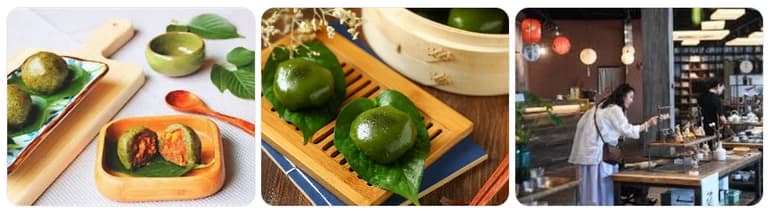
Meanwhile, in southern China, the festival brings out another beloved item: the Qing Tuan. These green rice cakes, often filled with red bean paste, are more than food — they’re edible souvenirs of the season. Most come packaged in beautiful boxes, making them lovely gifts.
Finally, don’t miss the traditional sachets and handmade kites — both packed with meaning. Sachets filled with fragrant herbs are believed to ward off illness and bad luck. Kites, on the other hand, carry wishes into the wind.
Best Places to Buy Traditional Festival Handicrafts in China
For the best willow crafts, head to Linyi, Shandong Province — a national hub for basket weaving. At the Linyi Handicraft Market, you can watch artisans twist and weave fresh willow into beautiful everyday objects.
In Hangzhou, the wetlands around Xixi offer cozy workshops where locals handcraft willow art, perfect for Qingming.
Looking for food gifts? In Hangzhou, Suzhou, or Shanghai, visit time-honored pastry shops like Lou Wai Lou or Wang Xing Ji. There, you’ll find elegant boxes of Qing Tuan, sometimes paired with fans or sachets.
Next, make your way to Weifang, the kite capital of China. Visit the Weifang Kite Museum, where you can learn about kite history — then buy a handcrafted paper kite to launch into the sky yourself.
In Beijing, stroll through Nanluoguxiang’s cultural shops. There, you’ll find beautifully stitched sachets, often filled with dried herbs and flowers. They’re small, symbolic, and travel-friendly.
Meaning in the Details
Qingming is a time of contrast — mourning and joy, stillness and movement. Whether you’re flying a kite under a wide sky or tying a willow charm above your door, you’re part of a tradition that stretches back over a thousand years.
By choosing traditional festival souvenirs in China that reflect these values — whether willow baskets, rice cakes, or fragrant sachets — you take home more than an object. You take home a story.
Chapter Four: Dragon Boats and Silk Sachets — The Spirit of Duanwu Festival
Every summer, as rivers swell and rice leaves rustle in the breeze, China celebrates one of its most thrilling traditions — the Duanwu Festival, also known as the Dragon Boat Festival.
It falls on the fifth day of the fifth lunar month — usually in June on the Western calendar. In 2026, that’s June 16. This Chinese cultural festival is more than just a race or a ritual. It honors the ancient poet Qu Yuan, and it brings together a beautiful blend of poetry, protection, and paddling.
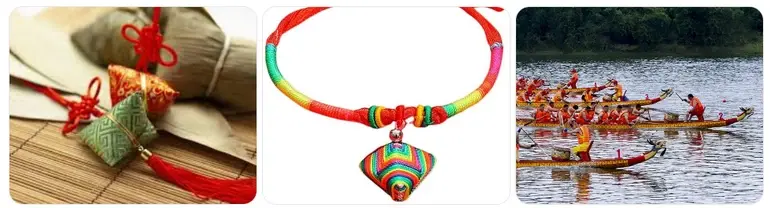
First come the dragon boat races — long, colorful boats slicing through the water, rowers moving in perfect rhythm. Crowds cheer. Drums beat like hearts. But if you step away from the riverbanks, you’ll discover quieter treasures — traditional festival handicrafts in China that carry stories just as powerful.
Traditional Festival Handicrafts in China: Protection in Silk and String
Let’s start with the most charming of all — the sachet, or xiangnang (香囊). These small silk pouches, often shaped like gourds, are filled with dried mugwort (艾草), herbs, or spices. People wear them for protection — from disease, from bad luck, from summer heat. Their delicate embroidery often features tigers, lotus flowers, or lucky symbols.
Next, look for five-color cords, soft silk threads braided into bracelets or anklets. Children often wear them during the festival. Each color represents a different element — together, they create balance, strength, and blessings for health.
Then, there are the mini zongzi — not the edible ones, but woven ornaments shaped like the real thing. Some are made from satin, others from straw or yarn. Hung on doors or gifted in sets, they’re cute, festive, and meaningful.
And of course, for dragon boat fans, you’ll find hand-carved dragon boat models. Some are small enough to fit in your palm, while others stretch across a shelf. Each one is a tribute to teamwork, courage, and cultural pride.
Best Places to Buy Traditional Festival Handicrafts in China
To shop where tradition meets creativity, head to Jiaxing’s Moon River Historic District (嘉兴月河历史街区). Known for its sticky rice dumplings, this scenic area also sells hand-sewn sachets and zongzi-shaped hanging charms.
Next, visit Miluo in Hunan (汨罗) — the hometown of Qu Yuan. Near the Quzi Cultural Park (屈子祠文化街), you’ll find artisans crafting Duanwu Festival souvenirs that reflect the poet’s legacy. The surrounding streets offer fragrant sachets, herbal kits, and poetry-themed trinkets.
In Suzhou, famous for silk and embroidery, don’t miss the Suzhou silk sachet shops. Their work is stunning — intricate, colorful, and perfect for gifting or collecting.
Meanwhile, down south in Guangzhou and Foshan, explore dragon boat cultural shops that sell everything from hand-painted boat models to festival-themed home décor. These cities keep the river traditions alive all year.
A Festival of Strength, Spirit, and Story
The Dragon Boat Festival isn’t just about honoring the past — it’s about protecting the present. Sachets once guarded children from disease. Five-color cords kept bad luck away. And dragon boats? They reminded entire towns of the power of working together.
Today, these traditional festival souvenirs in China connect you to something deeper. They’re more than objects. They’re protection, prayer, and poetry — all stitched into silk and carved into wood.
Chapter Five: Moonlight, Myths, and Mini Lanterns — The Magic of Mid-Autumn Festival
As summer fades and the air turns crisp, China welcomes a night of glowing beauty and sweet memories — Mid-Autumn Festival, also called the Moon Festival.
It falls on the 15th day of the 8th lunar month, usually in September or early October. In 2026, that’s September 25. While the full moon rises high above rooftops, families gather below with tea, laughter, and stories under the stars.
This is a festival of reunion and reflection, where traditions take shape in food, light, and some of the most charming traditional festival handicrafts in China.
Traditional Festival Handicrafts in China: Moonlit Symbols of Home
First, meet the Tu’er Ye, or “Lord Rabbit” (兔儿爷), a quirky and beloved figure from old Beijing. Made of painted clay, he’s shaped like a rabbit dressed in armor or royal robes. Legend says he’s the Jade Rabbit from the moon, sent down to protect the people. Locals once gifted these to children as blessings for peace and health.
Next, turn your eyes south. In cities like Foshan, people still light colorful autumn lanterns during the festival. Among the most iconic? The rabbit lantern, inspired by the myth of the moon rabbit pounding medicine under a cassia tree. These lanterns glow softly in windows, on balconies, and in the hands of excited children.
Another beautiful item you’ll find is the wooden mooncake mold. These carved blocks feature delicate designs — lotus flowers, the moon, or the characters for fortune and longevity. Some people still use them to make traditional mooncakes by hand. Others display them as rustic handmade gifts from China.
Best Places to Buy Traditional Festival Handicrafts in China
To experience the charm of Tu’er Ye, head straight to Beijing. Shops near Jingshan Park and Shichahai still sell hand-painted figures during the Mid-Autumn season. For rare finds and antiques, browse the Panjiayuan Market — a treasure trove of old Beijing culture.
Meanwhile, in Foshan, Guangdong, visit traditional workshops that create glowing Autumn Color Lanterns. Some shops offer DIY kits, letting you craft your own festival souvenir — a perfect keepsake with a personal touch.
Further south, Quanzhou and Zhangzhou in Fujian are famous for their wood-carved mooncake molds. These stores offer both functional and decorative versions — ideal for baking or for collecting.
In Kunming’s Old Street, you’ll find a twist on tradition: handmade ham mooncakes paired with classic molds. It’s a tasty and artistic glimpse into Yunnan’s unique take on the holiday.
Looking for elegant handmade gifts from China? In every region, Mid-Autumn brings out artisans selling embroidered sachets, lantern charms, and clay rabbits — each one carrying a little piece of the moon’s magic.
More Than Mooncakes
Yes, people come for the mooncakes. But they stay for the stories. Each traditional festival souvenir in China sold during Mid-Autumn carries a layer of meaning: family reunion, good fortune, or the quiet wish to be together, no matter how far apart.
So if you’re lucky enough to be in China during this gentle, glowing time, don’t just look up at the moon. Wander the lantern-lit streets. Buy a clay rabbit or carve your own mooncake. Take home more than a photo — take home a tradition.
Chapter Six: Weaving Love and Legends – The Romance of Qixi Festival
When the seventh day of the seventh lunar month arrives, China turns its gaze to the stars. This is Qixi Festival — often called China’s Valentine’s Day.
In 2026, it falls on August 10. Rooted in ancient stargazing and whispered folklore, this Chinese cultural festival honors the love story between the Cowherd and the Weaver Girl, two celestial lovers separated by the Milky Way.
But Qixi isn’t just about myths. It’s about beauty, craftsmanship, and heartfelt gifts — expressed through traditional festival handicrafts in China that carry deep meaning and delicate artistry.
Traditional Festival Handicrafts in China: Symbols of Love, Skill, and Blessing
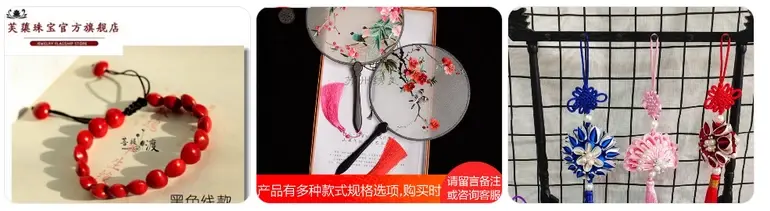
First, let’s talk about embroidery fans, especially the elegant Su-style round fans. In the past, young women stitched wishes into silk — offering them to the stars or to their beloved. These fans, light and graceful, still represent quiet elegance and lasting affection.
Next, discover hand-stitched sachets. Often filled with dried flowers or herbs, they were once given as tokens of love. Each shape — heart, butterfly, or plum blossom — carries symbolic meaning, often tied to romance or devotion.
Then there’s silver jewelry, a treasured craft among China’s Miao ethnic minority. These pieces — from delicate earrings to engraved pendants — symbolize protection, long-lasting love, and feminine strength. Gifting silver was seen as a promise of care.
Finally, don’t miss the woven bookmarks. Many feature embroidered images of the Cowherd and the Weaver Girl, stitched in bold colors or soft silk thread. These make perfect traditional festival souvenirs in China, especially for lovers of literature and legend.
Best Places to Buy Traditional Festival Handicrafts in China
Start your search in Suzhou, where embroidery is an art form. At the Suzhou Embroidery Research Institute, you’ll find hand-fans that blend tradition and innovation. Nearby, Pingjiang Road’s boutiques offer hand-stitched sachets and silk accessories — perfect for a quiet romantic gift.
Next, head to Southeast Guizhou, deep in the Miao heartland. Here, Miao silver workshops craft intricate earrings, necklaces, and bangles using time-honored techniques. These pieces aren’t just accessories — they’re wearable folk art.
Meanwhile, in Chengdu’s Wide and Narrow Alleys (Kuan Zhai Xiangzi), tradition meets trend. Small studios sell modern takes on Qixi-themed jewelry, scented pouches, and woven keepsakes. It’s a great place to find handmade gifts from China with a romantic twist.
Whether you’re exploring riverside towns or mountain villages, the weeks around Qixi bring out some of the best places to buy traditional festival handicrafts in China — especially those made with heart and heritage.
A Night for Love, A Day for Craft
Qixi isn’t loud. It doesn’t shine like fireworks. But it lingers — soft as a fan’s flutter, sweet as a whispered wish.
Whether you hold a silk fan, wear a silver bracelet, or place a sachet under your pillow, you’re touching a piece of a love story told for over a thousand years. These traditional festival handicrafts in China aren’t just keepsakes — they’re quiet promises stitched in silk and shaped in silver.
Chapter Seven: Climbing High and Wishing Long Life — The Spirit of Chongyang Festival
As autumn deepens and the air turns crisp, one of China’s most heartfelt traditions returns — Chongyang Festival, also known as Double Ninth Festival or Seniors’ Day.
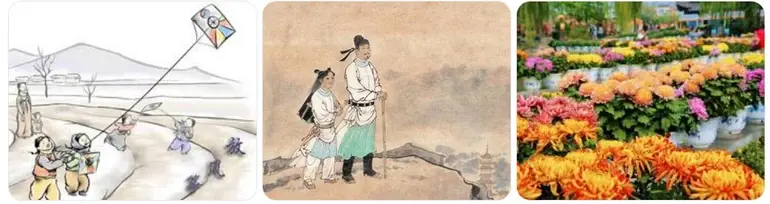
Falling on the ninth day of the ninth lunar month — in 2026, that’s October 19 — this Chinese folk art festival is all about longevity, gratitude, and the beauty of aging well. It’s a day to honor elders, climb mountains, admire blooming chrysanthemums, and carry fragrant herbs believed to protect and bless.
And, as with many of China’s time-honored festivals, it comes with a rich tradition of handmade crafts and symbolic gifts.
Traditional Festival Handicrafts in China: Carved Sticks, Paper Blooms, and Fragrant Pouches
First, look for the Zhuyu sachet (茱萸香包) — a small embroidered pouch filled with cornel fruit or aromatic herbs. Worn close to the body, it’s believed to ward off illness and evil spirits. You’ll see them hanging from belts, bags, and window latches.
Next, you’ll spot chrysanthemum-themed crafts everywhere. Paper-cut flowers, silk-embroidered fans, porcelain arrangements — all celebrating the strength and grace of this beloved autumn bloom. In Chinese culture, chrysanthemums symbolize nobility, endurance, and long life.
Another hidden gem? The hand-carved hiking stick. As climbing is a core tradition of Chongyang, some families gift wooden staffs carved with cranes, pine trees, or the character for longevity. Functional, beautiful, and meaningful — these are among the most unique traditional festival souvenirs in China.
Finally, in kite-making towns, you may also find autumn-themed kites, painted in warm reds and golds. Flying one is a joyful way to send hopes into the sky.
Best Places to Buy Traditional Festival Handicrafts in China
Start your journey in Wuyuan, Jiangxi, where the Huangling Folk Culture Village comes alive every fall. During the “Sun-Drying Autumn” festival, locals display handmade chrysanthemums, carved wooden pieces, and seasonal herb sachets in open-air markets.
In Kaifeng, visit Qingming Riverside Landscape Garden, which transforms into a chrysanthemum wonderland each October. Stalls around the garden sell flower-themed fans, figurines, and delicate embroidered artworks — perfect gifts for celebrating grace and aging.
Next, head to Hongcun in Anhui, where woodcarving workshops craft longevity-themed walking sticks and elegant wooden home ornaments. These pieces reflect the calm strength that Chongyang represents.
In Beijing, stroll through Beihai Park during the Chrysanthemum Exhibition. The area surrounding the park is full of artisan shops offering flower sachets, teacups, and framed flower paintings.
In Yangzhou, the Craft and Folk Art Museum displays and sells fine examples of regional embroidery and woodwork — especially popular around Chongyang.
Finally, don’t miss Weifang’s Kite Art Street. While spring is peak kite season, autumn brings limited-edition fall-themed kites and miniature flying souvenirs.
Wisdom in the Wind
Chongyang is quiet, reflective — a pause before winter arrives. But in its softness, there’s strength. Each handmade gift from China — whether a sachet, a carving, or a flower — honors age, family, and tradition.
So this October, walk among the chrysanthemums. Find a walking stick carved with cranes. Fly a kite into the golden sky. And remember: in honoring the past, you’re carrying its blessings into the future.
Chapter Eight: Clay Pots and Winter Blessings — The Quiet Charm of Laba Festival
As the final month of the lunar year begins, China enters a moment of quiet reflection. On the eighth day of the twelfth lunar month — Laba Festival arrives. In 2026, that’s January 26.
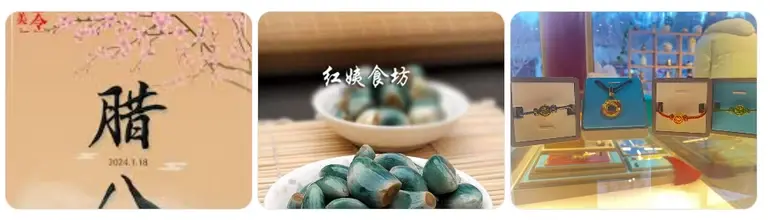
Once rooted in ancient ancestral rituals and harvest prayers, Laba has become a warm, nourishing pause in winter. Families simmer pots of Laba porridge, made with grains, beans, nuts, and dried fruits. But if you look beyond the kitchen, you’ll find beautiful authentic Chinese crafts that honor both the season and tradition.
Traditional Festival Handicrafts in China: Clay, Grains, and Symbolic Blessings
First, let’s talk about the Laba porridge jars. These aren’t just containers. Crafted from ceramic, clay, or Yixing purple sand, each one features carved symbols of luck, harvest, and warmth. They’re functional — but also deeply artistic.
Next, explore the creative world of “five-grain paintings.” Using rice, millet, red beans, and barley, artists press colorful grains into symbolic patterns — fish, phoenixes, blooming flowers — all echoing wishes for abundance and peace.
Meanwhile, in northern China, some families craft pickled garlic during Laba. This has inspired garlic-themed ceramic jars, often hand-painted or shaped like cloves. While quirky, these jars make memorable traditional festival souvenirs in China, blending folk humor with everyday beauty.
You’ll also find gift boxes of Laba porridge ingredients — packaged in custom clay pots or rustic wooden containers. These are practical gifts, yes — but also heartfelt expressions of care and tradition.
Best Places to Buy Traditional Festival Handicrafts in China
For classic porridge jars, start in Beijing, near the Lama Temple (Yonghegong). During Laba, small stalls pop up offering blessing-themed jars and Laba-themed cultural gifts. Many reflect Buddhist influences, as Laba is also a time of temple rituals.
Next, visit Pingyao Ancient Town in Shanxi, where ceramic studios craft beautiful glazed clay pots and grain art panels. The town’s rich folk heritage makes it one of the best places to buy traditional festival handicrafts in China.
In Xi’an’s Muslim Quarter, especially around the Laba season, street vendors sell handmade spice jars, herbal pouches, and seasonal food crafts. It’s an energetic spot to find authentic Chinese crafts mixed with local flair.
Down south in Hangzhou, browse old-style ceramic lifestyle stores that blend modern design with traditional clay aesthetics. Many offer minimalist porridge bowls, hand-glazed ladles, and festive gift sets.
Finally, in Kaifeng, Henan, you’ll find shops that specialize in festival food gift boxes — combining local ingredients with artist-designed packaging, perfect for those who love beautiful and edible souvenirs.
A Taste of Thanks, A Bowl of Blessing
Laba may not be as famous as Mid-Autumn or Spring Festival, but it carries the same heart. It’s a day of gratitude, shared warmth, and quiet hope for the coming year.
Each traditional festival handicraft in China created for Laba — from a hand-thrown clay pot to a painted garlic jar — reflects the same wish: may the year ahead be full, peaceful, and kind.
So this winter, if you’re lucky enough to sip porridge under snow-dusted rooftops, take a little piece of it home. Pack a jar, a pouch, or a grain painting — and carry the season with you.
China’s festivals are more than moments on a calendar — they’re living expressions of heritage, heart, and handmade beauty. From glowing lanterns to embroidered sachets, each celebration offers a window into local life through traditional festival handicrafts in China. These crafts don’t just decorate a season — they preserve generations of artistry and meaning.
Whether it’s a clay porridge pot from Laba, a rabbit lantern from Mid-Autumn, or a hand-stitched sachet from Dragon Boat Festival, every piece tells a story. As you travel, let these traditional festival souvenirs in China guide you deeper into the culture — one handmade treasure at a time.
Further Reading
10 Interesting Facts About China: Fun Cultural Insights for Travelers
Chinese Zodiac Signs: Understanding the Meaning Behind the 12 Animals
Traditional Chinese Festivals: Understanding China Through Its Celebrations
Traditional Chinese Clothing: Understanding the Beauty Behind the Fabrics
Chinese Red Envelope Tradition: A Cultural Guide for Foreigners
Chinese Jade Culture: A Foreigner’s Guide
Chinese Dragon: Myths, History, and Symbolism
Chinese Seal Carving: Exploring the Art of the Chop