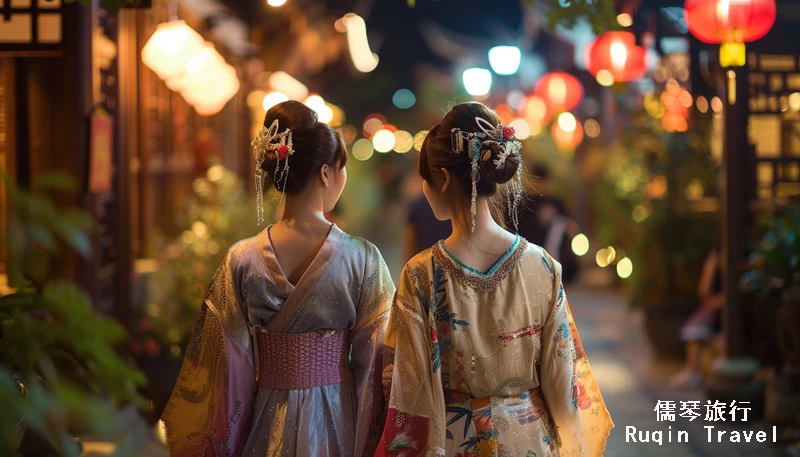

Written and updated by Ruqin
Last updated: May 22, 2026
Welcome to my Chengdu Travel Guide—your invitation into a city that slows you down and pulls you in. If China were a vast book, Chengdu would be its most fragrant, flavorful, and unforgettable chapter.
Picture this: waking up to birdsong in a bamboo grove, sipping tea beside red temple walls in the afternoon, then following the spicy scent of hotpot through lantern-lit alleys. This is the land of pandas, Sichuan spice, and centuries-old charm. Chengdu isn’t a place to rush—it’s a friend you’ll want to linger with.
1. The Best Time to Visit Chengdu
What I love most about Chengdu is its softness. The weather, like its people, is gentle and forgiving. That’s why, in this Chengdu Travel Guide, I always say there’s no wrong time to visit. Chengdu welcomes you in every season—each with its own quiet charm.
Spring (Mar–May | 10°C–25°C) is the city’s most poetic time. Blossoms fill the air with fragrance, and the willows along the river shimmer with new green. Mornings are cool, afternoons warm and bright. I love wandering through People’s Park after a light rain, watching petals drift across the tea tables. Remember a thin jacket and a small umbrella—spring rain here feels more like a whisper than a storm.
Summer (Jun–Aug | up to 35°C) hums with green vitality. It’s hot, yes, but never cruel. The air is moist, wrapping you in a slow, lazy rhythm. Locals escape to Qingcheng Mountain’s bamboo forests or sip tea in shaded courtyards. I adore the summer nights when sudden rain washes the city clean and the streets gleam under yellow lanterns.
Autumn (Sep–Nov | 15°C–25°C) is pure perfection. The sky turns clear and blue, and the ginkgo trees turn the city gold. I often wander Kuanzhai Alley or hike in Dujiangyan, breathing in that crisp, honey-colored air. Everything feels calm, content, and endlessly photogenic.
Winter (Dec–Feb | around 0°C and above) is gentle but damp. Sunshine is rare, yet warmth lives indoors. I spend slow afternoons in teahouses, hands wrapped around hot cups, listening to rain tap softly on the roof.
For first-time visitors, April–May and September–October are ideal. But truthfully, Chengdu shines all year. Each season offers its own rhythm, its own flavor of “巴适” — that uniquely Chengdu feeling of ease and contentment.
2. Where to Stay in Chengdu
When I first opened a map of Chengdu, it looked like a beautiful puzzle. Five distinct districts—each with its own flavor, pace, and soul—fit together to create a city rich in contrasts.

In this part of my Chengdu Travel Guide, let me walk you through where to stay in Chengdu, and how each neighborhood tells a different story.
Jinjiang District 锦江区— Where Neon Meets Ancient Rhythms
If you want to be where the action is, start here. Jinjiang District (锦江区) is Chengdu’s stylish heartbeat. It’s where thousand-year-old shopping streets meet high fashion, where night lights shimmer over Spring Bamboo Alley and Taikoo Li.
First, I wandered through Chunxi Road (春熙路), where old-school snack stalls sit beside luxury storefronts. Then, a short walk brought me to Taikoo Li (太古里), a blend of traditional courtyards and glossy boutiques. For a quirky photo, I climbed up to the IFS rooftop (国金中心楼顶), just to snap a selfie with the giant panda “crawling” over the building’s edge.

On weekends, I love escaping to Sansheng Flower Town (三圣花乡). Just a short ride away, it feels like Chengdu’s secret garden. Villages bloom with seasonal flowers, dotted with cozy farm stays and cafés run by local artists.
Stay here if: You want convenience, shopping, and nightlife.
Best area: Chunxi Road (熙路)/ Taikoo Li (太古里). You’re close to everything—metro lines, eateries, bars. It’s perfect for first-timers who want to dive straight in.
Qingyang District 青羊区— Ancient Calm in the Heart of the City
Qingyang District (青羊区) feels like walking through a poem. Everything slows down here—people speak softly, parks feel sacred, and the past whispers through temple walls.
Kuanzhai Alley (宽窄巷子) was my first stop. It’s not just a tourist trap—it’s a place where old Chengdu still lingers. I strolled past wooden doors, sipping coffee in a courtyard café, imagining Qing Dynasty footsteps echoing beneath the stones.
In People’s Park (人民公园), I joined locals sipping tea at Heming Teahouse (鹤鸣茶社). I watched as someone got their ears cleaned—a strange, oddly satisfying ritual here. Nearby, couples danced, children played, and the air buzzed with lazy happiness.

Dufu Thatched Cottage (杜甫草堂) was a quiet highlight. I wandered among bamboo groves where one of China’s greatest poets once lived. Just a short ride away, Wenshu Monastery (文殊院) offered incense, silence, and a calm I didn’t know I needed.
Qingyang District is also home to Chengdu West Railway Station (成都西站). If you’re dreaming of boarding a train to the Tibetan Plateau, heading toward Ya’an, Luding, or the legendary Kangding, chances are you’ll leave from here. The station is the gateway to the Chuan-Zang Railway, which winds through some of the most breathtaking landscapes I’ve ever seen.
Stay here if: You love history, quiet mornings, and authentic local life.
Best area: Around Wenshu Monastery (文殊院). Peaceful, charming, and with easy access to the Chengdu West Station—perfect for heading to the mountains or ancient towns.
Wuhou District 武侯区— Where Legends and Indie Life Collide
By day, Wuhou District (武侯区) hums with ancient stories. By night, it dances to indie tunes. This is the district of warriors, scholars, and bohemians.
I started at Wuhou Shrine (武侯祠), honoring Zhuge Liang and Liu Bei—famous names from the Three Kingdoms era. Right next door is Jinli Ancient Street (锦里古街). Yes, it’s a bit commercialized, but still magical at dusk when red lanterns flicker and snack stalls fill the air with Sichuan spice.

Later, I found myself on Yulin Road (玉林路). You won’t find big tourist signs here, just indie bookshops, jazzy bars, and tiny cafés tucked between apartment blocks. This is where locals unwind, and where I truly felt part of the city.
Chengdu South Railway Station (成都南站) is located right here in Wuhou District. It’s one of the city’s key transport hubs and a super convenient option if you’re planning a quick getaway. From here, high-speed trains whisk you to Leshan (乐山) and Emei Mountain (峨眉山) in just over an hour.
Stay here if: You want both history and a taste of creative local life.
Best area: Near Jiuyanqiao (九眼桥). It’s perfect for nightlife lovers, with easy transport and riverside views.
Chenghua District 成华区— Pandas, Playgrounds, and Urban Renewal
This is where old factories meet baby pandas. Chenghua District (成华区) surprised me. It’s less known to tourists but full of hidden gems.
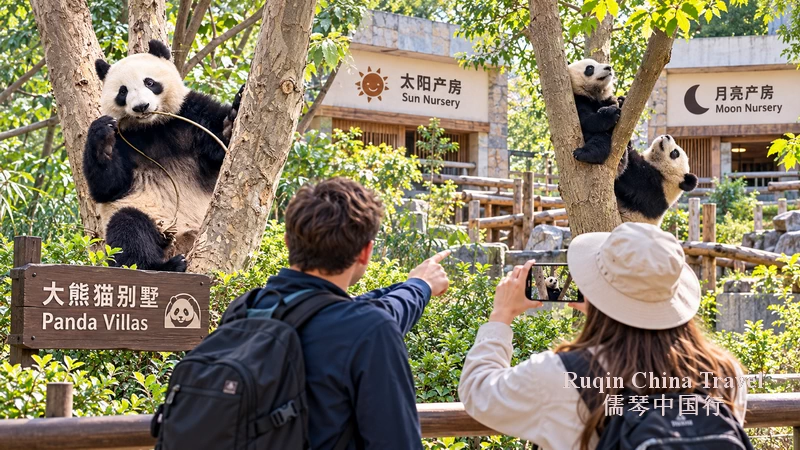
First thing in the morning, I made a beeline to the Chengdu Research Base of Giant Panda Breeding (成都大熊猫繁育研究基地). I watched panda cubs tumble through the grass—it was as adorable as you’d imagine. Tip: go early, before the crowds and naps.
Later, I explored Eastern Suburb Memory (东郊记忆 Dongjiao Jiyi). It’s a repurposed factory zone turned arts district. Rusty pipes, red brick walls, and quirky art made it the perfect place to spend a lazy afternoon with my camera.

Now here’s something every traveler should know—Chengdu East Railway Station (成都东站), the largest passenger rail hub in western China, sits right in Chenghua District. It’s massive, modern, and incredibly efficient.
Almost all the high-speed trains pass through here. Whether you’re heading to Beijing, Xi’an, Shanghai, or just zipping over to nearby cities like Chongqing or Mianyang, chances are you’ll depart from this station.
Stay here if: You’re here for pandas or want a youthful, artsy vibe.
Best area: Jianshe Road (建设路). Great local food, cheaper stays, and still well connected. Bonus: it’s near
Jinniu District 金牛区— Parks, Peace, and the Local Pulse
I like to think of Jinniu Ditrict (金牛区) as Chengdu’s deep breath. It’s a little off the tourist radar, but it has its own rhythm.
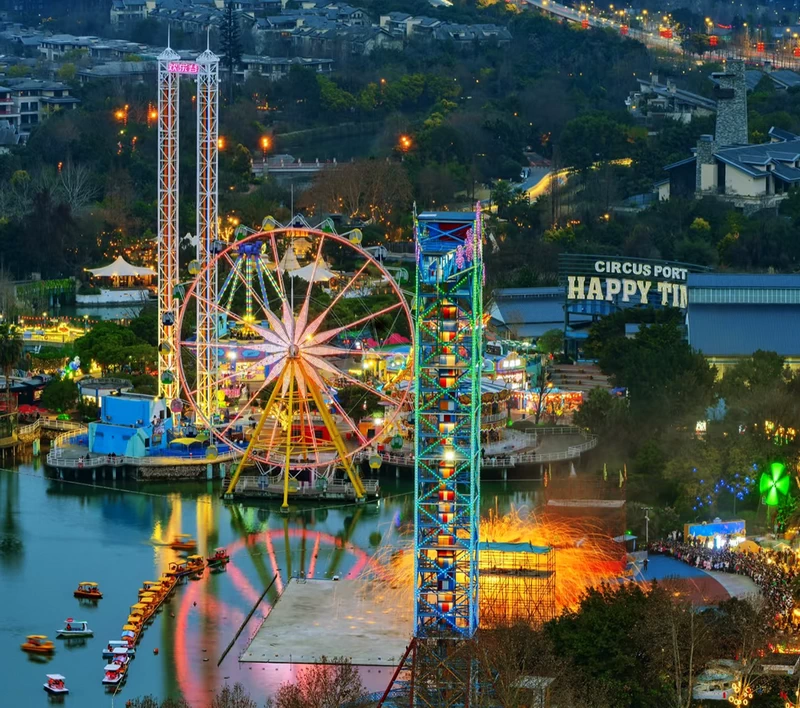
Families flock to Happy Valley Chengdu (成都欢乐谷), a full-on amusement park for thrill seekers. Meanwhile, I preferred the slower side—Tianfu Art Park (天府艺术公园) and the Chengdu Museum of Contemporary Art (成都美术馆). The architecture alone is worth the trip.
Here’s a little travel tip: Chengdu’s original railway station, known simply as Chengdu Station (成都站)—or by locals as “Huoche Bei Zhan” (North Station)—is located right here in Jinniu District.
It may not be as flashy as the newer high-speed hubs, but it still plays a key role. These days, it mainly handles conventional (non-high-speed) trains and is undergoing major upgrades to improve capacity and service.
Stay here if: You’re craving calm, greenery, or a local neighborhood feel.
Best area: Near Chengdu Railway Station (North Station) if you have early train plans, but otherwise, this area is more for return visitors or those staying longer.
So… Where Should You Stay in Chengdu?
If it’s your first time here, I strongly recommend staying in Jinjiang (Chunxi Road / Taikoo Li) or Qingyang (near Wenshu Monastery or Kuanzhai Alley). These areas offer the best of both worlds: convenient transport, amazing food, and the city’s richest stories right at your doorstep.
Of course, the beauty of Chengdu is in its layers. So wherever you stay, take time to wander beyond the big attractions. Duck into a teahouse, chat with a local vendor, or get lost on a backstreet. That’s where the real Chengdu lives.
3. How to Get to Chengdu with Ease
In this part of my Chengdu Travel Guide, I want to share something that makes Chengdu stand out—getting here is surprisingly easy. Whether you’re flying in from halfway across the world or hopping on a high-speed train from a nearby city, the gateways to this “Land of Abundance” are wide open.
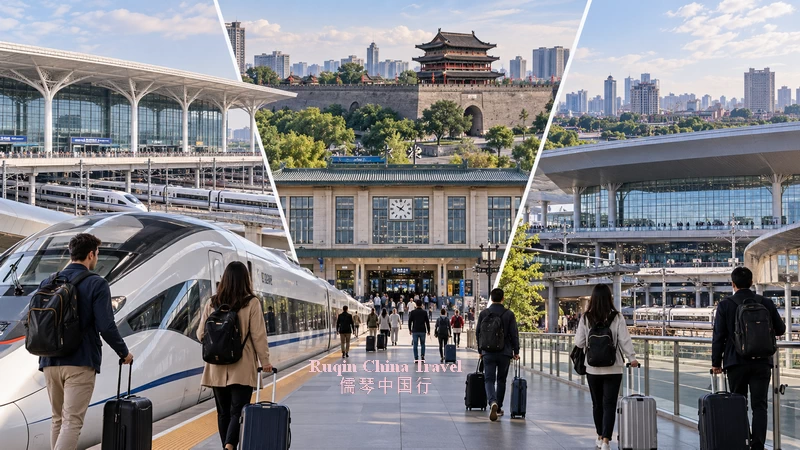
Chengdu is more than just a charming city—it’s a major transportation hub for western China. With two international airports and four major railway stations, you’re spoiled for options. But choosing the right one can make a big difference, so let me break it down for you.
Arriving in Chengdu by Train
Trains are one of my favorite ways to arrive in Chengdu. You glide into the city, no turbulence, no baggage claim delays—just smooth, scenic travel. But with four different stations, it’s important to know which one suits your plan.
1) Chengdu East Railway Station 成都东站– The High-Speed Heart of Western China
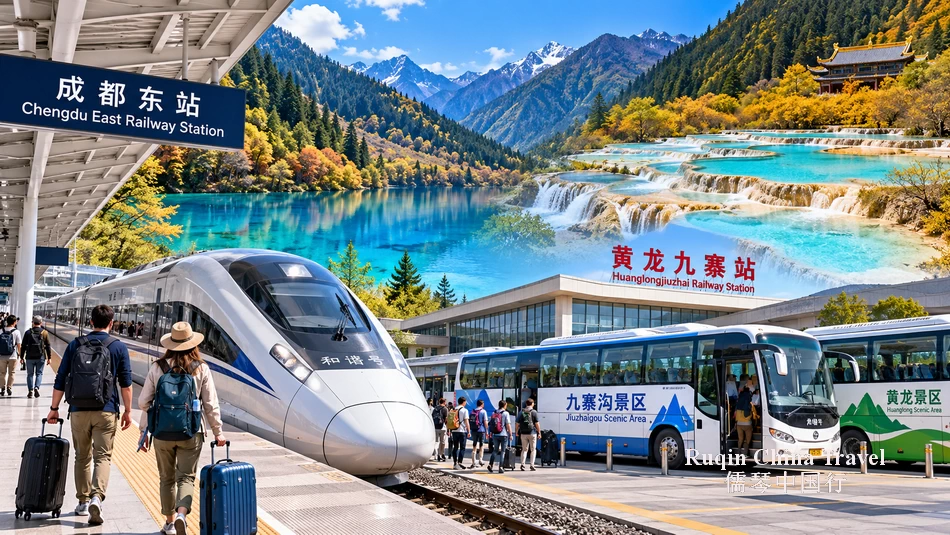
This is Chengdu’s largest and busiest station—and it’s a giant. Located in Chenghua District 成华区 , about 8 km east of the city center, it’s one of China’s six major national railway hubs.

Address: No. 333 Qionglai Mountain Road, Chenghua District 成都市成华区保和街道邛崃山路333号
Main routes:
It’s the go-to station for high-speed trains. From here, you can zip off to almost anywhere—Chongqing (via the Chengyu HSR), Xi’an, Guiyang, Leshan, Emei Mountain, and more.
How to get to the city center:
- Metro (Highly recommended): Lines 2 and 7 connect directly to central spots like Chunxi Road and Tianfu Square—fast, reliable, and no traffic worries.
- Taxi or ride-hailing: Takes 30–40 minutes depending on traffic. Clear signage helps you find the pickup zones.
This station is big, busy, and beautifully designed. I still remember the sense of scale when I first walked in—glass ceilings, departure boards flickering with possibilities, and passengers moving in all directions like flowing rivers.
2) Chengdu Railway Station 成都站 (aka “North Station”) – A Nostalgic Journey Begins Here ( Now Closed for Revamp)
This old soul of a station sits about 5 km north of downtown, in Jinniu District (金牛区). Locals still call it Huoche Bei Zhan—Train North Station.
Address: No. 1 Zhandong Road, Jinniu District 成都市金牛区站东路1号
Main routes:
It mostly serves traditional trains—the slower, classic kind with Z, T, and K numbers. If you’re on a nostalgic journey or heading somewhere without high-speed access, you might depart from here.
Getting to the city:
- Metro: Lines 1 and 7 take you right to key downtown spots.
- Buses and taxis: Plentiful and convenient.
Note: It’s currently under renovation. Some trains may be rerouted to other stations, so always double-check your ticket before heading out.
3) Chengdu South Railway Station 成都南站– The Southern Shortcut
Tucked into Wuhou District (武侯区), about 6 km south of the city center, this smaller station is sleek and efficient. It may not look grand, but it’s a handy launchpad for regional adventures.

Address: Tianfu Avenue North, Wuhou District 成都市武侯区天府大道北段
Main routes:
This is where intercity high-speed trains depart for Leshan, Emei Mountain, Mianyang, and Jiangyou. Quick, quiet, and perfect for day trips.
To the city:
- Metro: Lines 1, 7, and 18 get you to the city or even to the airport with ease.
- Taxi: Very close to the Hi-Tech Zone and Global Center—just hop in.
4) Chengdu West Railway Station 成都西站 – Gateway to the Wild West
This newer station lies 10 km west of downtown in Qingyang District (青羊区). It’s your door to the Tibetan Plateau and Sichuan’s mountain wonders.

Address: Jinhui Road, Qingyang District 成都市青羊区金辉路
Main routes:
Home to the Chuan-Zang Railway, it’s the place to board trains bound for Ya’an, Luding, Kangding, or even Beijing and Harbin (via conventional trains).
Into the city:
- Metro: Lines 4 and 9 take you straight to scenic spots like Kuanzhai Alley and Wenshu Monastery.
- Bus/taxi: Plenty of options at the main exit.
I once boarded a train here to Kangding, and within hours, the urban skyline gave way to misty peaks. It felt like entering a completely different world.
Arriving in Chengdu by Air
With two international airports, Chengdu makes flying in from anywhere in the world (or China) incredibly easy. But double-check your arrival airport—they’re far apart, and that detail can make or break your first day.
1) Chengdu Shuangliu International Airport (CTU) 成都双流国际机场
Located just 16 km southwest of downtown, this is Chengdu’s original airport—and it’s still buzzing with flights.

Location: Shuangliu District 成都市双流区
Main flights:
Mostly domestic and regional international routes—like Hong Kong, Macau, and some Southeast Asian cities.
To the city:
- Metro: Line 10 connects directly to the airport. You can easily transfer to other lines to reach downtown.
- Taxi or ride-hailing: 30–50 minutes, depending on traffic.
- Airport bus: Affordable, and drops you at major hubs like Chunxi Road and Tianfu Square.
If your trip focuses on Chengdu city, this airport is a convenient choice.
2) Chengdu Tianfu International Airport 成都天府国际机场 (TFU)
Tianfu Airport, located a full 50 km southeast of downtown in Jianyang(简阳市), is Chengdu’s newest and most advanced airport. It’s sleek, spacious, and future-forward.
Location: Jianyang, Sichuan 成都市简阳市
Main flights:
Handles almost all international flights and an increasing share of domestic ones. If you’re flying with an international carrier, odds are high you’ll land here.
Getting into the city:
- Metro 18 (Highly recommended): Fast, smooth, and scenic. Just 30 minutes from Chengdu South Railway Station to the terminal.
- Airport buses: Run 24/7 to major destinations like Chunxi Road and Chengdu East Station.
- Taxis or ride-hailing: Budget extra time and cash—trips to the city can take 1–1.5 hours depending on traffic.
Travel Tip
When planning your trip, match your transport hub to your itinerary.
- Visiting Leshan or Emei Mountain? Book a train to Chengdu South Station.
- Coming from another big city? Chengdu East Station is likely your landing point.
- Arriving by air? Check your airport carefully—misjudging the distance between Shuangliu and Tianfu can add hours to your day.
I learned that the hard way once, sprinting through a wrong terminal only to find I was at the wrong airport. Lesson learned. Don’t be like me—check before you go.
4. How to Get Around Chengdu
If you ask me what makes getting around Chengdu such a joy, I’d say this: all you need is a metro map, a smartphone, and a good pair of walking shoes. Seriously, that’s it.
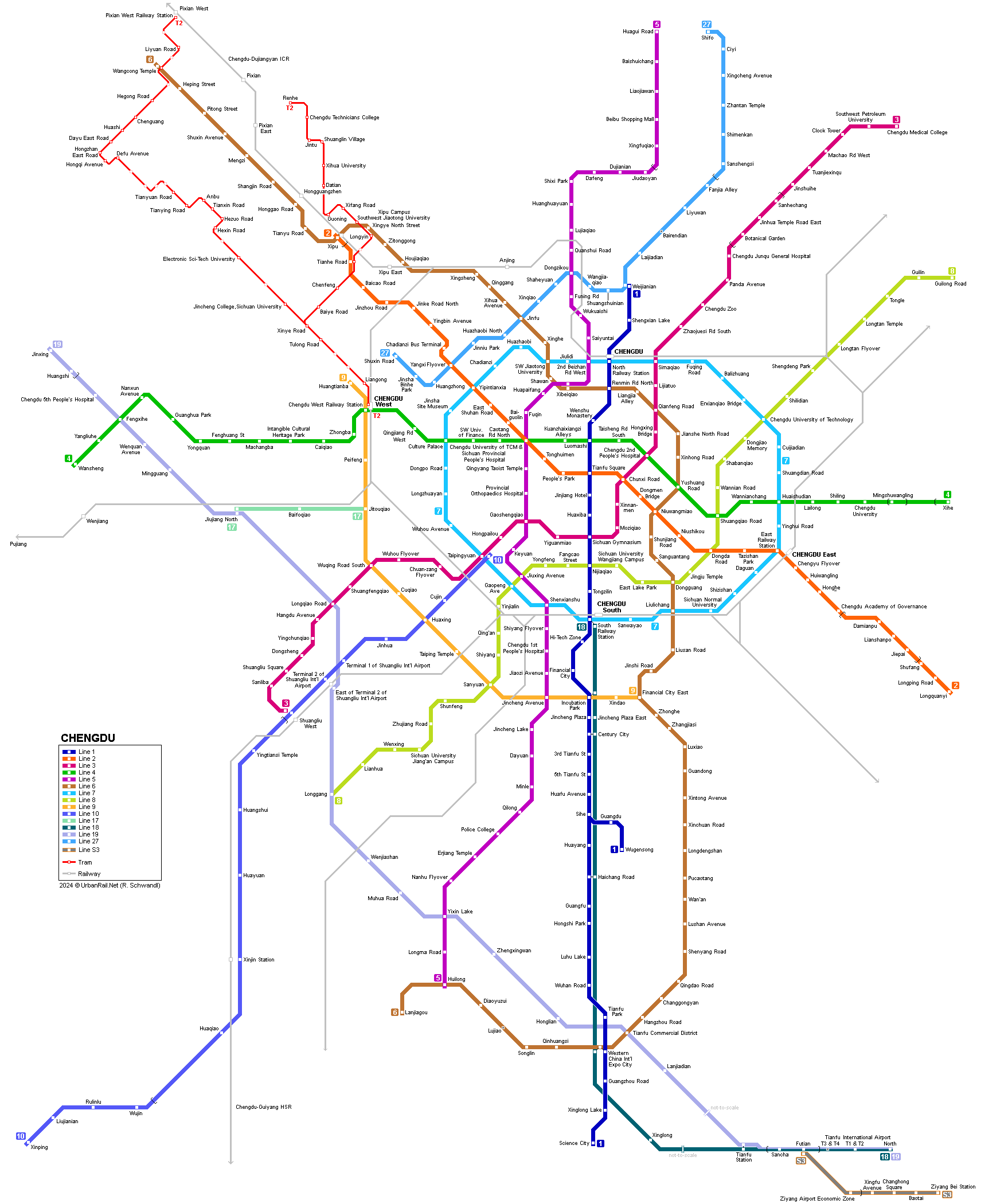
In this part of my Chengdu Travel Guide, I’ll share how I moved through the city—sometimes underground, sometimes on two wheels, and sometimes just walking with no plan at all. Because here, the journey really is part of the adventure.
Chengdu Metro — Your Best Friend Underground
Let’s start with the star: Chengdu’s metro system. It’s clean, fast, cheap, and unbelievably convenient. It took me everywhere—from panda sightings to ancient poetry parks to neon-lit shopping districts.
Here’s how I used the metro like a local (and sometimes better than one):
Line 1 – The City’s North-South Backbone
This line is Chengdu’s spine. It connects the North and South Railway Stations, and runs through major city landmarks like Sichuan Gymnasium and Financial City. I often used it to switch lines—it’s a key transfer point.
Line 2 – The Ultimate Tourist Trail
If you only ride one line, make it this one. It’s a dream route for travelers.
- Chadianzi Bus Terminal: Connects to long-distance buses for out-of-town adventures.
- Jinsha Museum: Dive into ancient Shu culture.
- Yipintianxia Station: A foodie’s heaven.
- People’s Park: Sip tea, watch locals dance, try ear-cleaning (yes, really).
- Tianfu Square: Chengdu’s heart—museums, fountains, and public life.
- Chunxi Road: Fashion central. Think shopping, IFS mall, and street snacks.
- East Gate Bridge: A stone’s throw from the Lan Kwai Fong nightlife zone.
- Chengdu East Station: If you’re arriving or leaving by high-speed rail, this is your stop.
Line 3 – Pandas, Parks, and Poets
This one took me on some of my most memorable day trips.
- Zoo Station: Self-explanatory. Great for kids.
- Panda Avenue Station: Hop off and catch a direct shuttle to the Panda Base. Go early!
- Moziqiao Station: Close to Sichuan University and Wangjiang Park.
- Gaoshengqiao Station: A short stroll from Jinli Ancient Street and Wuhou Shrine.
- Yiguanmiao Station: The gateway to Du Fu Thatched Cottage.
Line 4 – Culture, Parks, and Peace
This was my go-to when I craved serenity.
- Chengdu West Station: A handy rail link.
- Caotang North Road: Walk to Du Fu’s Cottage from here.
- Kuanzhai Alley Station: Straight to old-world charm and alleyway cafés.
- Second People’s Hospital Station: Near Taikoo Li and Chunxi Road.
- Shuangqiao Road: Switch to Line 8 for Eastern Suburb Memory (an artsy industrial zone).
- Mingshu Wangling Station: History buffs, head to the Ming Shu Tomb Museum.
Line 7 – The Great Urban Necklace
This circular line is genius. It wraps around central Chengdu and connects nearly all the metro lines—and three major train stations.
I used it constantly for transfers. It saved me from surface traffic more than once.
Line 10 – The Airport Lifeline
Heading to or from Shuangliu International Airport? This line is your golden ticket.
It links seamlessly with Line 3 and Line 7, so reaching downtown is super easy.
Line 18 – The Fast Lane to the Skies
Flying into Tianfu International Airport? This is the fastest, most reliable way to reach the city. From Chengdu South Station, it took me just 30 minutes to the terminal.
Metro Tips from My Own Experience:
- Scan to ride: Use the Tianfu Tong card, or simply scan QR codes via WeChat or Alipay. No lines, no fuss.
- English signage is clear. Transfers are easy, even for first-time riders.
- Avoid rush hour (7:30–9:00 & 17:30–19:00). Trains get packed!
Buses — Into the City’s Smaller Veins
Buses go where metros can’t. They weave through old streets, quiet neighborhoods, and corners even locals forget.
I used the Tianfu Tong app to scan and ride. It was smooth—until I took one during rush hour. Don’t. The streets clog up fast, and I spent 40 minutes moving a few blocks.
Stick to buses midday or in the evening. They’re perfect for slow exploring.
Taxis & Ride-Hailing — When Convenience Wins
Taxis are everywhere, usually green or blue. But I preferred Didi, China’s version of Uber. The app was in English, and I could pay with WeChat.
Perfect for:
- Late-night rides when metros close
- Heavy luggage days
- Trips to hidden spots beyond metro lines
During rush hours, though? Price surges are real, and traffic can test your patience.
Shared Bikes — My Favorite Way to Wander
Chengdu is a bike-friendly city. I found Meituan and HelloBike bikes on nearly every street corner.
Best rides?
- From Taikoo Li to Wangping Street
- Between Kuanzhai Alley and Kuixinglou
- Wandering near Jinli and Fangcao Street
With the wind in my hair and spicy skewers in my backpack, those short rides were pure joy. Plus, I could stop anytime—take a photo, buy fruit, or just watch life pass by.
Scenic Shuttle Buses — One Click, One Ride
These tourist-friendly buses were a lifesaver for attractions beyond the city center—especially the Panda Base and Sanxingdui Museum.
I booked my tickets via WeChat—just searched for “成都景区直通车”. Easy schedules, no transfers, and comfy rides. A real win when I didn’t want to navigate buses or taxis.
So, How to Get Around Chengdu Like a Local?
Here’s what worked for me:
- Long distances across the city? Take the metro.
- Short hops between scenic spots? Grab a shared bike.
- Heading to the suburbs or airport? Use metro lines 10 or 18.
- Exploring far-off attractions? Try the scenic shuttle buses.
- In a hurry (but not at rush hour)? Taxi or Didi it.
Mix and match. That’s the magic. Some days I rode four metro lines and walked 20,000 steps. Other days, I just biked between teahouses and art alleys. But every time, I felt free—like Chengdu wanted me to wander without worry.
5. The Top 10 Attractions in Chengdu
In every corner of Chengdu, there’s a story waiting to be told. Some speak of poets and warriors, others whisper through tea steam and bamboo leaves. From the playful charm of pandas to the spiritual stillness of Daoist mountains, these ten places capture the essence of the city.

In this part of my Chengdu Travel Guide, let me take you through my favorite Top 10 Attractions in Chengdu—a journey that blends history, flavor, and the gentle rhythm of life in this “Land of Abundance.”
1) Chengdu Research Base of Giant Panda Breeding 成都大熊猫繁育研究基地
If Chengdu has a spirit animal, it’s the panda. Visiting the Chengdu Panda Base was one of the most heart-melting experiences of my life.
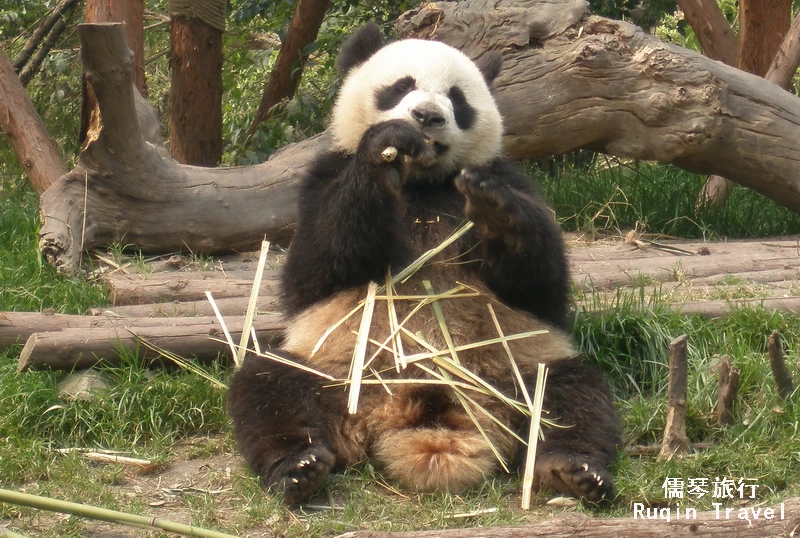
Here, these black-and-white treasures munch lazily on bamboo, roll in the grass, and remind you that life’s best moments are slow and simple. If you’re lucky (and early), you might spot the famous “Hua Hua”, Chengdu’s current celebrity panda.
Address: No. 1375 Panda Avenue, Chenghua District 成都市成华区熊猫大道1375号
Entrance Fee: ¥55
How to Get There:
Take Metro Line 3 to Panda Avenue Station (Exit A), then hop on the direct shuttle or a short bus ride to the base’s South Gate.
Tourist Shuttle: Direct buses from Chunxi Road / IFS and Kuanzhai Alley are the most convenient.
Tip: Arrive before 8:30 a.m. Pandas nap through most of the afternoon.
2) Chengdu Museum 成都博物馆
Right beside Tianfu Square, this sleek modern museum feels like a time capsule. Inside, thousands of years of Chengdu’s history unfold before your eyes—from shimmering bronze relics and Han dynasty bricks to folk crafts and calligraphy.

I spent half a day here and left with a deep respect for Chengdu’s cultural soul.
Address: No. 1 Xiahe Street, Qingyang District (West of Tianfu Square) 成都市青羊区小河街1号(天府广场西侧)
Entrance Fee: Free (Reservation required via official WeChat account)
How to Get There:
Take Metro Line 1 or Line 2 to Tianfu Square Station and follow the signs.
3) Du Fu Thatched Cottage 杜甫草堂
Tucked in a quiet corner of the city, Du Fu’s Cottage is a poetic retreat. This was where the Tang dynasty poet Du Fu lived during the An Lushan Rebellion.
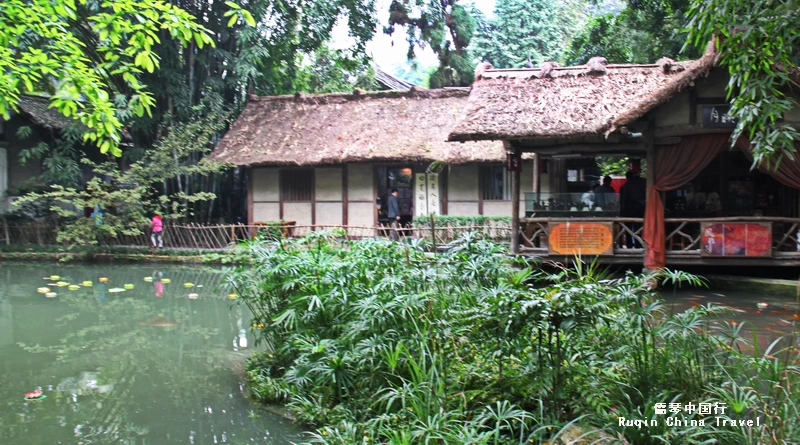
I strolled under bamboo groves, crossed stone bridges, and paused by the small hut where he wrote “My Thatched Roof is Torn by the Autumn Wind.” The air itself felt heavy with poetry.
Address: No. 37 Qinghua Road, Qingyang District 成都市青羊区青华路37号
Entrance Fee: ¥50
How to Get There:
Take Metro Line 4 to Caotang North Road Station (Exit B), then walk about 10 minutes.
4) Wuhou Shrine 武侯祠
If you’ve ever read about the Three Kingdoms, this is sacred ground. The Wuhou Shrine honors both Liu Bei and Zhuge Liang—the loyal ruler and the brilliant strategist of Shu Han.
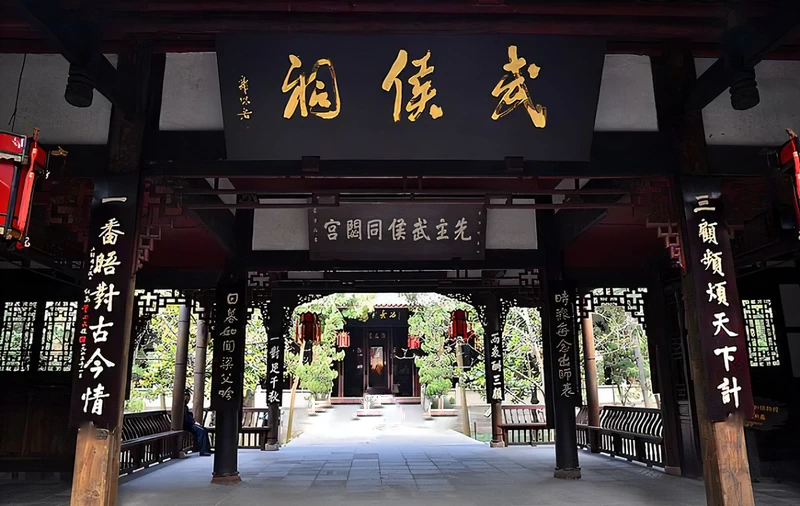
Walking through its red walls and ancient cypress groves, I could almost hear the echoes of battle horns. Right next door, Jinli Street comes alive with food, souvenirs, and glowing lanterns after dark.
Address: No. 231 Wuhou Shrine Street, Wuhou District 成都市武侯区武侯祠大街231号
Entrance Fee: ¥50
How to Get There:
Take Metro Line 3 or Line 5 to Gaoshengqiao Station (Exit C/D), then walk about 10 minutes.
5) Jinsha Site Museum 金沙遗址博物馆
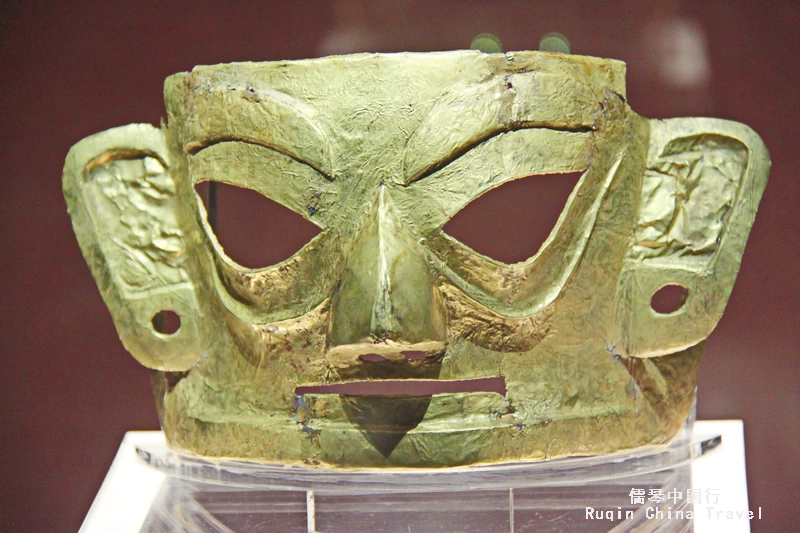
Jinsha Site Museum blew my mind. Built directly on top of an ancient Shu kingdom archaeological site, it houses gold masks, jade artifacts, and the world-famous “Sun and Immortal Bird” emblem—now China’s official cultural heritage symbol.
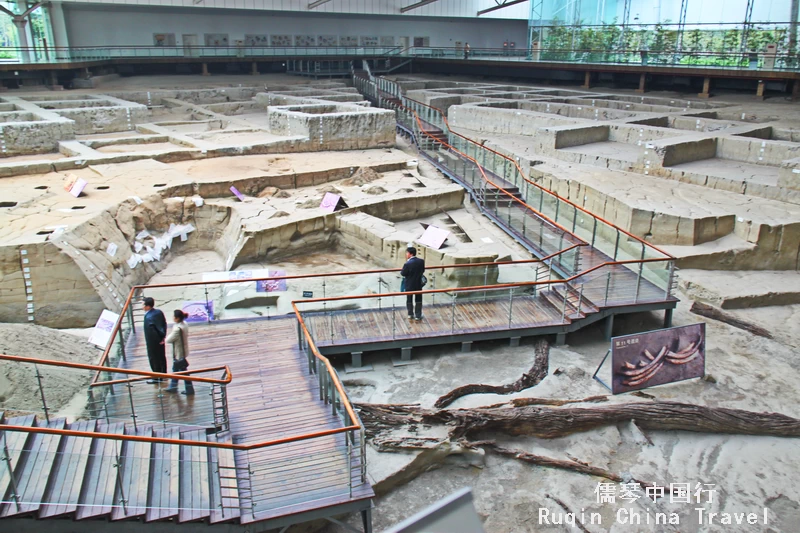
Standing in front of that golden disc, I felt time collapse. The brilliance of a 3,000-year-old civilization glittered right before me.
Address: No. 2 Jinsha Ruins Road, Qingyang District 成都市青羊区金沙遗址路2号
Entrance Fee: ¥70
How to Get There:
Take Metro Line 7 to Jinsha Museum Station (Exit C)—the museum is right outside.
6) Kuanzhai Alley 宽窄巷子
If there’s one place that captures Chengdu’s personality, it’s here. Kuanzhai Alley, made up of Wide Alley, Narrow Alley, and Well Alley, is where the old meets the new.
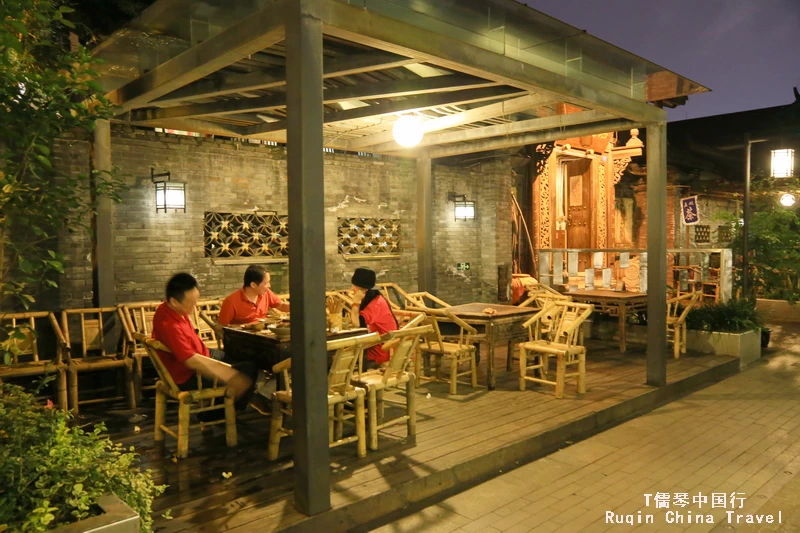
I sipped jasmine tea in a courtyard, peeked into boutique shops, and smelled roasted duck wafting from tiny restaurants. Yes, prices are higher here—but the vibe is priceless.
Address: Near the intersection of Jinhe Road, Qingyang District 成都市青羊区金河路口宽窄巷子
Entrance Fee: Free
How to Get There:
Take Metro Line 4 to Kuanzhai Alley Station (Exit B/C).
7) Chunxi Road & Taikoo Li 春熙路 / 太古里
Modern, glamorous, and full of life—Chunxi Road and Taikoo Li are Chengdu’s beating heart.
Here, sleek architecture meets Sichuan spice. I window-shopped along glowing lanes, then headed to the IFS rooftop for the perfect photo with the famous climbing panda sculpture.
It’s more than a shopping district—it’s where Chengdu shows off its confident, youthful side.
Address: Chunxi Road Street, Jinjiang District 成都市锦江区春熙路街道
Entrance Fee: Free
How to Get There:
Take Metro Line 2 or Line 3 to Chunxi Road Station, and step right into the action.
8) Dujiangyan Irrigation System 都江堰
An hour west of the city lies Dujiangyan, one of the most astonishing feats of ancient engineering. Built in 256 BC, this massive irrigation system still works today—calmly taming the Min River and feeding the Chengdu Plain.
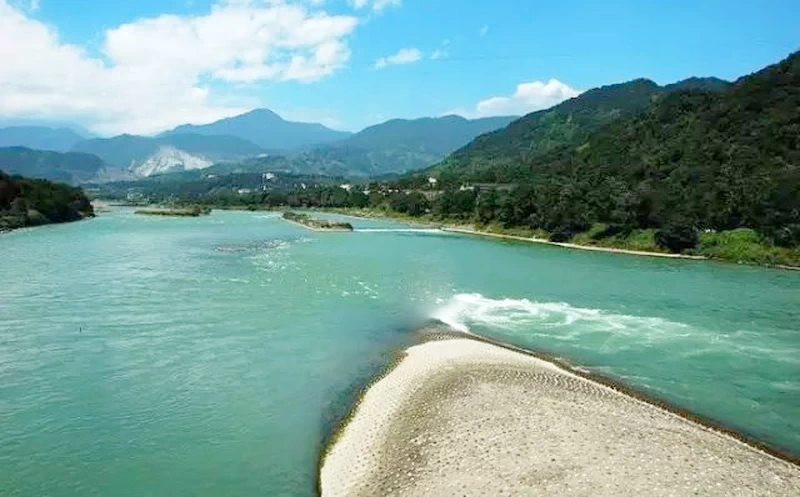
Standing on the Fish Mouth Levee and Feisha Weir, I could almost feel the wisdom of Li Bing and his son, who designed it all without a single dam.
Address: Gongyuan Road, Dujiangyan City 成都市都江堰市公园路
Entrance Fee: ¥80
How to Get There:
Take the intercity train from Xipu Station to Dujiangyan Station (about 30 minutes). Then, transfer to a local bus or taxi.
🚌 Tourist Shuttle: Direct buses also depart from IFS and other downtown points.
9) Mount Qingcheng 青城山
Just beyond Dujiangyan lies Mount Qingcheng, a place that feels suspended between earth and heaven. It’s one of China’s most sacred Daoist mountains and a UNESCO World Heritage Site.

The front mountain hums with temples and incense. The back mountain, wild and green, is perfect for hiking. As I climbed through mist and pine, the world below disappeared, and so did time.
Address: Qingchengshan Town, Dujiangyan City 成都市都江堰市青城山镇
Entrance Fee: Front Mountain ¥80, Back Mountain ¥20
How to Get There:
Take the intercity train to Qingchengshan Station. From there, it’s a short bus or taxi ride to the mountain entrance.
Most visitors pair it with a day trip to Dujiangyan—it’s a perfect match.
10) People’s Park 人民公园
If you want to understand Chengdu’s soul, skip the museums—come to People’s Park.
It’s not just a park; it’s a living room for the entire city. Locals sip tea at Heming Teahouse, play mahjong, and chat like they have all the time in the world. I spent a lazy afternoon here with a bowl of jasmine tea, watching life drift by.
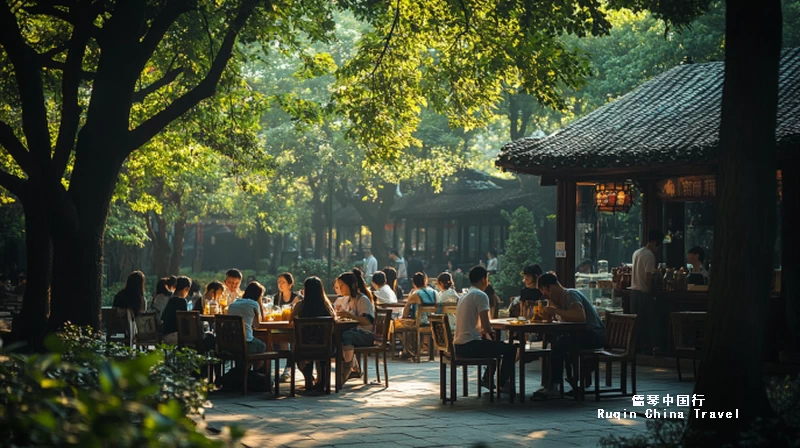
And yes, I tried ear cleaning—the famous “Shu’er” experience. It was oddly relaxing!
Address: No. 12 Shaocheng Road, Qingyang District 成都市青羊区少城路12号
Entrance Fee: Free
How to Get There:
Take Metro Line 2 to People’s Park Station (Exit A/B), and you’ll walk right in.
Each of these Top 10 Attractions in Chengdu reveals a different face of the city. From ancient marvels to panda cuddles, from poetic gardens to pulsing boulevards—every stop tells you something about Chengdu’s past and present.
No matter which path you follow, remember: don’t rush. Sit for tea, breathe the spice, listen to laughter in the alleys. The best part of Chengdu isn’t just what you see—it’s how the city makes you feel.
6. Leshan Giant Buddha & Mount Emei
My Favorite 2-Day Itinerary from Chengdu
In this part of my Chengdu Travel Guide, I want to share one of the most unforgettable weekend getaways I’ve ever taken in China. Just two days—yet I returned feeling like I’d traveled through centuries. This journey blends spiritual grandeur, breathtaking landscapes, and some of the boldest flavors in Sichuan.

So pack light, lace up your walking shoes, and come with me on a two-day pilgrimage to Leshan and Mount Emei.
Day 1: Chengdu → Leshan 乐山
Distance & Direction:
Leshan is about 160 km southwest of Chengdu. The trip is easy, scenic, and packed with promise.
Transportation:
- High-speed train (recommended):
From Chengdu East Railway Station to Leshan Station in just 50 minutes. Fast, clean, and on time. - Private car or taxi:
Around 2 hours by road. Great if you’re traveling with family or want flexibility.
Leshan Giant Buddha
I’ll never forget the moment I saw it. The Leshan Giant Buddha, carved into a riverside cliff, rising 71 meters tall, sat so peacefully above the swirling confluence of three rivers. Locals say, “The mountain is a Buddha, and the Buddha is a mountain.” And standing there, I understood exactly what they meant.
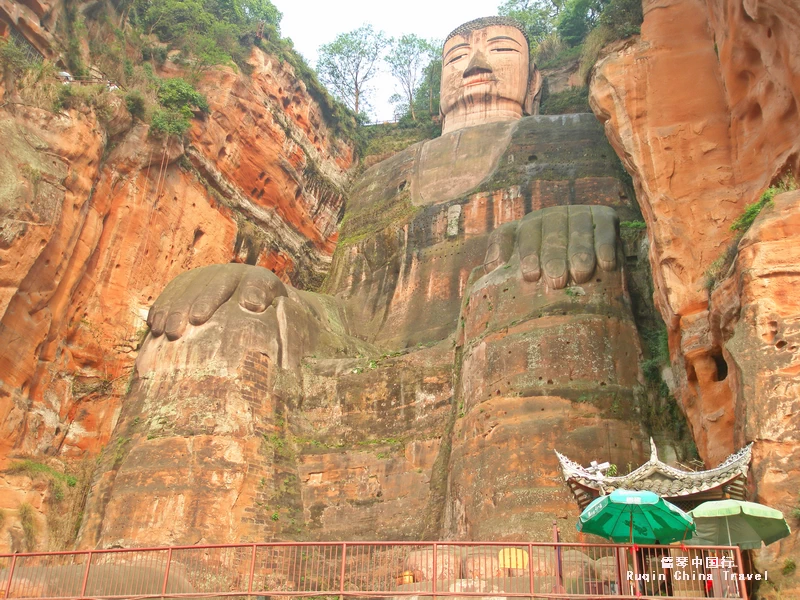
Two ways to experience the Buddha:
1. By boat (my top pick):
Head to Wuyouba Dock(乌尤坝码头) in Leshan city, board a riverboat, and glide along the Min River. The boat pauses right in front of the Buddha—giving you the perfect, full-body view without climbing a single step.
Duration: About 30 minutes.
Relaxing, scenic, and very photogenic.
2. By foot (for adventurers):
Enter through the main Linyun Mountain Scenic Area (凌云山), and hike the forested paths to reach the Buddha.
You’ll pass ancient temples and cross the cliff-hugging Nine Bends Plank Road (九曲栈道)—a winding staircase that takes you all the way to the Buddha’s enormous feet.
Takes 3–4 hours depending on pace.
A bit tiring, but deeply rewarding.
Where to Eat in Leshan
Leshan is a street food heaven, and dinner here might be the highlight of your day.
- Zhanggongqiao Food Street (张公桥美食街) and Jiaxing Road (嘉兴路) are buzzing with stalls after dark.
Here’s what I devoured (and still dream about):
- Qiaojiao Beef (跷脚牛肉):
A spicy broth filled with thin beef slices and offal. Dip in chili powder. Drink the soup. Pure joy. - Sweet-Skin Duck (甜皮鸭):
Crispy, glazed, slightly sweet skin. Tender meat. Served warm or cold. Either way, irresistible. - Bo Bo Chicken (钵钵鸡):
Skewered meats and vegetables dunked in spicy red oil or peppercorn broth. - Tofu Pudding (豆腐脑):
Not your usual kind—this one’s thick, savory, and made with bone broth and minced pork. Soul food, Sichuan-style.
Where to Stay in Leshan
I stayed in Leshan city center, which made dinner plans and early starts much easier.
Look for hotels near Zhanggongqiao or Jiaxing Road—plenty of options from budget to boutique, all within walking distance of food streets.
Day 2: Leshan → Mount Emei 峨眉山
A journey into mist, temples, and silence
Distance & Transport:
Mount Emei is just 40 km west of Leshan.
- By high-speed train:
From Leshan Station to Emeishan Station in 15–20 minutes. Trains run frequently. - By bus or taxi:
Around 1 hour, depending on traffic.
Mount Emei Scenic Area
Mount Emei isn’t just a mountain—it’s a spiritual presence. It rises over 3,000 meters, and every step seems to hum with centuries of quiet devotion.
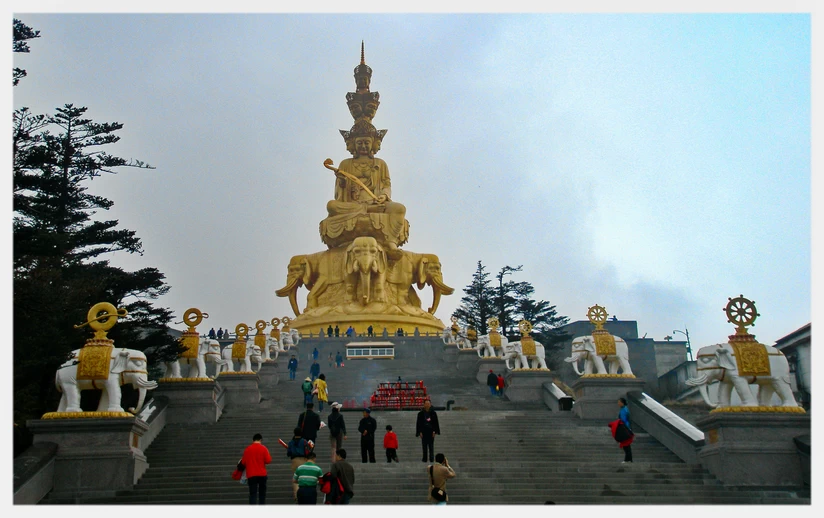
It’s one of China’s Four Great Buddhist Mountains, said to be the bodhimanda of Samantabhadra (Puxian) Bodhisattva. On a clear day, from the summit’s Golden Summit (Jinding), you can see seas of clouds, sunrise flames, and—if you’re lucky—the mysterious Buddha’s Halo.
How to Explore Mount Emei (Efficient One-Day Itinerary)
1. Start early at the Emei Tourist Center (山下游客中心):
Buy your entrance ticket and the sightseeing bus ticket to Leidongping Station 雷洞坪 (this saves hours of climbing).
Bus ride: 1.5 to 2 hours on winding mountain roads.
2. Hike from Leidongping to Jieyin Hall (接引殿):
This scenic trail takes about 20–30 minutes. You’ll likely meet wild monkeys here—playful, curious, and sometimes cheeky.
Important:
- Do not feed or tease the monkeys.
- Keep all food and bags hidden.
- Zip everything tight. Monkeys are sneaky pros.
3. Take the cable car to Golden Summit:
The 5-minute ride floats you over clouds and treetops. At the top, the world opens up.
What to See on the Golden Summit
- The 48-meter-tall Golden Samantabhadra Statue 十方普贤圣像 , shining through mist.
- Huazang Temple 华藏寺, a sacred place to light incense and find stillness.
- Cloud sea, sunrise, and Buddha’s Halo, depending on weather and luck.
Total time on the mountain: 5–7 hours.
What to Eat Around Mount Emei
Dining on the mountain is limited and pricey. I brought snacks and bought a light meal near the cable car base.
After descending, I treated myself to:
- Emei Tofu Pudding: Similar to Leshan’s but with local herbs.
- Ye’er Ba (叶儿粑): Glutinous rice dumplings filled with sweet or savory paste, steamed in fragrant leaves.
- Smoked Duck: Local favorite with a deep, savory aroma.
Returning to Chengdu
From Mount Emei’s base, I grabbed a short taxi to Emeishan Station, then caught a high-speed train back to Chengdu East Station.
Distance: 160 km
Travel time: Around 1 hour
I was back in the city by evening—tired but glowing with a sense of wonder.
Final Tips for This 2-Day Trip
- Book everything in advance: Trains, attraction tickets, and hotel rooms—especially on weekends or holidays.
- Dress in layers: The summit of Mount Emei is over 3,000 meters. It’s chilly year-round, even in summer.
- Wear good shoes: Trails can be wet, rocky, and uneven.
- Be monkey-smart: No plastic bags, no open snacks, and keep your distance.
7. A Chengdu Side Trip to Dujiangyan and Mount Qingcheng
If there’s one day trip I’ll never forget from my time in Chengdu, it’s this one. It’s rare to find a route that balances epic engineering, natural beauty, and quiet spirituality all in a single day—but this one does it. From a 2,000-year-old water project to a misty Daoist mountain, this Chengdu side trip is pure magic.

Let me walk you through it.
Morning: Chengdu → Dujiangyan 都江堰
Witnessing the brilliance of ancient Chinese engineering
Distance & Direction:
Dujiangyan lies about 60 kilometers northwest of Chengdu’s city center.
How to Get There:
- High-speed train (recommended):
Depart from Chengdu Xipu Station, which connects directly via Metro Line 2.
The train to Dujiangyan Station takes just 30 minutes.
After arrival, grab a bus or taxi for a short 15-minute ride to the scenic area. - Tourist shuttle:
Direct buses leave from downtown spots like IFS Mall and Kuanzhai Alley. Super convenient—no transfers needed. - Self-driving:
Takes around 1 to 1.5 hours, depending on traffic. Great for flexibility, but finding parking during holidays can be tricky.
Exploring Dujiangyan Scenic Area
Walking into Dujiangyan felt like stepping into a living textbook. This isn’t just a historical site—it’s still working. Built over 2,200 years ago by engineer Li Bing and his son, Dujiangyan is the world’s oldest and only surviving no-dam irrigation system.
It’s not a single structure—it’s an elegant system that controls flooding, diverts water, and nurtures the Chengdu Plain to this day.
Highlights & Route Suggestion:
Here’s how I explored it—and how I recommend you do too:
- Enter via Lidui Park. You’ll pass through lush gardens and reach Fulong Temple, where legends and river gods mingle.
- Take the escalator up Bypass Cloud Corridor (步云廊) or walk the slope to reach Yulei Pavilion, the highest point. The views from here? Absolutely breathtaking.
- Descend toward Erwang Temple, dedicated to the father-son duo who designed this system.
- Cross the Anlan Suspension Bridge (locals call it the “Husband and Wife Bridge”)—it sways gently over the Min River and adds just the right touch of thrill.
- End with the engineering stars:
- Fish Mouth Levee (鱼嘴) – splits the river flow.
- Flying Sand Weir (飞沙堰) – diverts floods and flushes silt.
- Bottle-Neck Channel (宝瓶口) – guides water gently into irrigation canals.
Every structure felt like a stroke of genius—practical, poetic, and deeply rooted in nature.
Entrance Fee: ¥80
Address: Gongyuan Road, Dujiangyan City
Lunch in Dujiangyan
After the walk, I was more than ready to eat—and Dujiangyan didn’t disappoint. I stopped near Nanqiao and wandered into a small restaurant that smelled like chili oil and toasted garlic. Heaven.
Here’s what you should try:
- Spiced Rabbit Head (尤兔头):
Don’t be scared. It’s a local delicacy—flavor-packed and addictive, available in five-spice or numbing-spicy styles. - Green Onion Pancake Roll (葱葱卷):
Crispy, savory, and loaded with scallions. - Hand-Shredded Chicken (手掌鸡):
Cold, spicy, and perfect after a warm hike.
There are plenty of places to choose from around the ancient city streets. If in doubt, follow the crowds and the steam.
Afternoon: Dujiangyan → Mount Qingcheng 青城山
Breathing in silence on a sacred Daoist mountain
Distance:
Mount Qingcheng is only 15 km southwest of Dujiangyan. Super close.
How to Get There:
- High-speed train:
Take the intercity train from Dujiangyan Station to Qingchengshan Station—just one stop and 10 minutes. - Bus 101:
A direct ride takes about 40 minutes. - Taxi or ride-hailing:
The fastest and easiest. Roughly 30 minutes and inexpensive.
🌿 Exploring Mount Qingcheng (Front Mountain)
They call it “Qingcheng Tianxia You”—“Qingcheng, the most serene under heaven.” I understood that the moment I stepped into the forest.
This mountain is one of China’s Four Great Daoist Mountains, and the front mountain (前山) is where most of the culture and temples are. That’s where I headed.
Suggested Route for a Half-Day Visit:
- Enter at the Main Gate, then hop on the eco-shuttle to save time and energy.
- At Jianfu Palace, I took the cable car up. The ride floated over pine forests and river valleys, the kind that makes your heart go quiet.
- Once at the top, I explored the ancient Shangqing Palace, then climbed up to Laojun Pavilion. The incense, the chanting, the mossy stones—it all felt timeless.
- I chose to walk back down, stopping at Tianshi Cave and Natural Picture Cliff (天然图画) along the way. Every corner had another surprise—a hidden shrine, a calligraphy tablet, a misty overlook.
Total time: About 3 hours for this loop, though I took it slow to savor the stillness.
Entrance Fee: ¥80 (Front Mountain)
Address: Qingchengshan Town, Dujiangyan City
If you’re short on time or energy, take the cable car both ways and focus just on the summit temples.
Evening: Return to Chengdu
After a full day, I headed back to the city with a full heart (and a full stomach).
Getting Back:
From Qingchengshan Station, hop on a 30–40 minute train to Xipu Station, then transfer to Metro Line 2 to reach central Chengdu.
Total distance back: About 70 kilometers
It was effortless—and I was back in time for a late-night bowl of hotpot.
Quick Travel Tips
- Leave early:
Aim to catch a train before 8 a.m. to make the most of the day. - Dress smart:
Wear hiking shoes, bring a light jacket, and pack light. You’ll walk—a lot. - Buy tickets in advance:
Book entrance fees and trains online to skip the lines. - Snacks & water:
Bring both. Not every trail has vendors. - Respect the monkeys (and your snacks):
Don’t feed them, tease them, or flash plastic bags—they’ll think it’s food.
8. A Chengdu One Day Side Trip to Sanxingdui
If you, like me, are drawn to ancient mysteries and jaw-dropping archaeology, then this Chengdu one day side trip is for you.
Just an hour from the city lies a site that rewrote everything I thought I knew about Chinese civilization. It’s not another imperial palace or Confucian temple. No—Sanxingdui (三星堆) is something else entirely.

It’s strange. Surreal. Dazzling. And it’s one of the most fascinating places I’ve ever explored.
Morning: Chengdu → Sanxingdui Museum
An easy journey into deep history
Distance & Direction
Sanxingdui is located in Guanghan, about 60 kilometers northeast of downtown Chengdu.
How to Get There
Option 1: High-Speed Train + Bus (most flexible)
- From Chengdu East Station, take a high-speed train to Guanghan North Station.
⏱️ Only 18 minutes—you’ll barely have time to finish your coffee. - From there, either:
- Take Bus No. 13 to the museum (about 15–20 minutes), or
- Grab a taxi or Didi for a quick ride straight to the gate.
Option 2: Tourist Shuttle Bus (most convenient)
- Board a direct Sanxingdui shuttle from central Chengdu—stations include Wuhou Shrine, Chunxi Road/IFS, or Kuanzhai Alley.
- You’ll be dropped off right at the museum entrance.
- Bonus: Many shuttles offer combo tickets onboard. No transfers, no hassle.
Option 3: Self-Drive (most flexible)
- Take the Chengdu-Mianyang Expressway, exit at Guanghan, and follow signs to the museum.
- Driving time: Around 1–1.5 hours.
- There’s a large parking lot near the entrance.
Entering Sanxingdui: A Portal to the Ancient Unknown
Sanxingdui isn’t just a museum. It’s a revelation.
This 4,800-year-old site is proof that ancient Sichuan was home to a distinct, advanced civilization, separate from the Yellow River cultures most of us read about.

It was buried for millennia, until a farmer digging a ditch in the 1920s uncovered jade relics. Since then, archaeologists have unearthed bronze gods, golden scepters, and wide-eyed masks that feel more like science fiction than history.
Sanxingdui Museum Itinerary:
Where myth, art, and archaeology collide. I entered the new Main Exhibition Hall, opened in 2023, and immediately felt transported. The design is sleek and immersive, with moody lighting, soaring ceilings, and quiet that makes your skin tingle.
Must-See Treasures:
- Bronze Sacred Tree (青铜神树)
3.96 meters tall. Mythical branches twist into the sky. I stood there speechless, wondering what stories it once told. - Bronze Standing Figure (青铜立人像)
2.62 meters tall, with open arms as if holding an invisible staff. A shaman? A king? No one knows for sure. - Golden Staff (金杖)
Covered in images of birds, fish, and human heads. It shimmered under the lights like it still carried power. - Protruding-Eye Mask (纵目面具)
With huge bulging eyes and outstretched ears—said to represent clairvoyance and hearing beyond normal reach. It looked otherworldly. - Sun Wheel (太阳轮)
A golden disk, oddly similar to a modern steering wheel. A symbol of the sun, of control, of power?
I spent nearly four hours inside, wandering slowly from gallery to gallery, trying to imagine the lives behind these objects.
🎧 My advice? Rent the audio guide or book a guide in advance. Without context, you might see only bizarre shapes. With it, you glimpse an entire lost world.
Practical Info
- Entrance Fee: ¥72
- Advance booking required via official WeChat (search: 三星堆博物馆).
- Address: No. 133 Xiangxin Road, Guanghan City, Deyang
Lunch in Guanghan: Local Bites After Ancient Wonders
By the time I stepped back into the sunlight, I was starving—and curious about what else Guanghan had to offer. I headed into town for lunch, and wow, it delivered.
Where to Eat
- Guanghan Ming Xiaochi (广汉名小食)
A humble but famous spot where I tried:- Golden Thread Noodles (金丝面): Handmade, soft, and springy—like edible silk.
- Leaf-Wrapped Rice Dumplings (叶儿粑): Filled with spicy pork or sweet sesame paste. Soft, warm, and comforting.
- Glass Dumplings (玻璃抄手): So translucent they shimmered, dipped in chili oil and vinegar.
- Guanghan Twisted Rabbit (缠丝兔):
This one’s a specialty. Rabbit meat wrapped in string, cured, then steamed or boiled.
Salty, tender, and surprisingly addictive.
Afternoon: Sanxingdui → Back to Chengdu
After lunch and a short walk around Guanghan’s old streets, I made my way back to Chengdu.
- If you took the shuttle, return buses usually leave between 2:00–4:00 p.m.—just in time to beat traffic.
- If you took the train, head to Guanghan North Station and ride the high-speed line back to Chengdu East. Total travel time: just under 1 hour.
I arrived back in the city before 5 p.m., just in time for another bowl of hotpot and some late-evening people-watching at Kuanzhai Alley.
Tips for a Smooth Sanxingdui Trip
- Book early: Entry is capped daily, and weekends sell out fast.
- Go early in the morning: Beat the crowds and give yourself plenty of time.
- Wear comfy shoes: It’s a big museum with a lot of walking.
- Keep an open mind: Some exhibits will make you wonder if aliens came to visit. That’s part of the fun.
9.A 3-Day Chengdu Side Trip to Huanglong & Jiuzhaigou 黄龙与九寨沟
If there’s one trip from Chengdu that truly feels like stepping into a fairytale, this is it.
For three days, I wandered through alpine valleys, shimmering lakes, and endless skies — where the air was thin, the colors surreal, and every turn looked like a painting.

Yes, the journey is long. The altitude is high. But every moment was worth it.
So, if you’re planning your dream Chengdu Travel Guide adventure, this 3-day Chengdu side trip to Huanglong and Jiuzhaigou should be right at the top of your list.
1) Getting There: The Basics
There are two main ways to reach this corner of paradise.
1. Private Car or Self-Drive (most recommended):
It’s the best option for freedom seekers. You can stop at roadside viewpoints, stretch your legs by turquoise rivers, or photograph yak herds against snow peaks.
However, the roads twist through mountains, so I highly recommend hiring a local driver familiar with the terrain. It’s safer, smoother, and lets you relax and soak in the views.
2. Flight (fast but expensive):
Flights depart from Chengdu Shuangliu Airport or Tianfu Airport to Jiuzhai Huanglong Airport (JZH).
Flight time: About 1 hour.
While this saves half a day of driving, it skips the beautiful mountain scenery along the way — and the airport sits at a dizzying 3,448 meters, which may trigger altitude sickness right off the plane.
Day 1 — Chengdu → Songpan Ancient Town → Huanglong → Jiuzhaigou
I left Chengdu before 8 a.m., coffee in hand and excitement buzzing. The drive followed the Chengguan Expressway, then the Du-Wen Highway and National Road 213 — a route that slowly climbs from the plains into the clouds.
- Chengdu → Songpan 成都到松潘: 300 km, about 5–6 hours by car.
- Songpan → Huanglong 松潘到黄龙: 41 km, about 1.5 hours.
- Huanglong → Jiuzhaigou Entrance 黄龙到九寨沟口: 127 km, about 2 hours.
Stop 1: Songpan Ancient Town 松潘古城
Perched high on the plateau, Songpan (松潘) is an old frontier town once vital to trade between Sichuan and Tibet. Its ancient city walls are still standing strong, and I couldn’t resist a quick stop to stretch and stroll.

I wandered beneath weathered gates, passing Tibetan-style shops and horses clopping on cobblestone. The blend of Han and Tibetan cultures gave the town a charm unlike anywhere else in Sichuan.
Stop 2: Huanglong National Scenic Area 黄龙风景区
From Songpan, the road climbed higher. The snow-capped peaks glittered in the sun, and by the time I reached Huanglong, I could already feel the altitude.

Huanglong is a UNESCO World Heritage Site, famed for its terraced calcium pools, cascading like a golden dragon through the forest. Locals call it the “Fairy Pool of the World,” and once you see it, you’ll understand why.
Must-See: The Five-Colored Ponds
These pools are Huanglong’s crown jewel. Layers of turquoise, jade, gold, and milky white shimmer beneath the sunlight, each step more dreamlike than the last. I took the cable car up to save energy and walked down slowly, taking in every angle.
Entrance Fee: ¥200 (including eco-bus, cable car extra)
Address: Huanglong Scenic Area, Songpan County, Aba Prefecture
By late afternoon, the air grew cooler, and the light turned soft and golden. Time to move on toward Jiuzhaigou Valley.
Dinner & Lodging
I reached Jiuzhaigou Entrance Town around evening. The air was crisp, and prayer flags fluttered against the twilight sky.
For dinner, I found a cozy Tibetan-style restaurant in Pengfeng Village (彭丰村).
I warmed up with a bubbling yak meat hotpot, fragrant with chili and herbs, followed by a mug of creamy butter tea — salty, rich, and perfect for high-altitude nights.
That night, I stayed at a guesthouse near the park entrance. Rooms ranged from simple lodges to luxury hotels — all offering easy access to the valley for the next morning.
Day 2 — Exploring Jiuzhaigou: The Dream Valley
If Day 1 was about getting there, Day 2 was pure magic. Jiuzhaigou isn’t just beautiful — it’s otherworldly.

Inside the park, all vehicles are eco-friendly sightseeing buses that loop through the valley’s “Y”-shaped network of lakes and waterfalls. I hopped on early, camera ready.
Route Overview
The valley splits into three main routes:
- Zechawa Valley (Left Arm) 则查洼沟(Y字左支)
- Long Lake: The highest and largest lake, deep blue like melted sapphire. The stillness made me whisper.
- Five-Colored Pond: Tiny but dazzling — a kaleidoscope of blues and greens.
- Rize Valley (Right Arm, the highlight) 日则沟(Y字右支,精华所在)
- Five Flower Lake: My absolute favorite. Beneath the clear surface, fallen trees crisscross in brilliant hues. It feels enchanted.
- Pearl Shoal Waterfall: Recognizable from Journey to the West. The water splashes over travertine terraces, glowing white in the sun.
- Shuzheng Valley (Main Stem):
- Nuorilang Waterfall: The widest travertine waterfall in China.
- Shuzheng Lakes, Fire Lake, Reed Sea: Each corner was a postcard.
Tip: Start from the farthest point (Long Lake) and work your way back down. That way, you go with the flow of both time and sunlight.
Entrance Fee: ¥169 (includes bus ticket)
Address: Jiuzhaigou County, Aba Prefecture
Evening in Jiuzhaigou
After hours of hiking and riding between lakes, I was happily exhausted. That night, I returned to my same guesthouse, slipped off my boots, and treated myself to a hearty meal of Tibetan barley noodles and a cup of highland barley wine.
Outside, the stars looked impossibly close. It felt like I could reach up and stir them.
Day 3 — Jiuzhaigou → Chuanzhusi → Chengdu 九寨沟 → 川主寺 → 返回成都
Morning came too soon. I wasn’t ready to leave, but the road back to Chengdu awaited.
- Jiuzhaigou → Chuanzhusi 川主寺: 90 km, about 2 hours.
- Chuanzhusi → Chengdu: 350 km, around 7–8 hours.
On the way, I stopped briefly at Chuanzhusi Town, a high-altitude trading post rather than an actual temple.
Here, I bought some local specialties — yak jerky, wild mushrooms, and tangy sea buckthorn juice — souvenirs that smelled like the plateau itself.
By late afternoon, we followed the Min River down through the valleys. The scenery changed from icy cliffs to golden fields, and then finally, city lights flickered on the horizon.
At around 7 p.m., I rolled back into Chengdu, tired but glowing with that special joy that only travel brings.
Tips from the Trail
- Altitude Care:
The highest point is Huanglong’s Five-Colored Pool (3,576 m). Move slowly, breathe deeply, and carry Rhodiola supplements or portable oxygen. - Pack Smart:
Even in summer, bring a down jacket, sunscreen, and sunglasses. The sun is fierce up here, and nights can drop below freezing. - Best Time to Visit:
Late September to late October is breathtaking — golden forests, crystal lakes, and crisp air. But it’s peak season, so book everything early. - Footwear:
Bring your best hiking shoes. Day 2 involves long walks on boardwalks and uneven trails
9. Chengdu Travel Guide to Food
In Chengdu, eating isn’t just survival — it’s a celebration. It’s a lifestyle, an art form, and honestly, a form of spiritual practice. Locals don’t ask, “Have you eaten?” as small talk. They ask because food is love, memory, and joy in this city.
Every corner I turned revealed another smoky stall, steamy bowl, or sizzling wok. Some spots were sleek and modern, others tucked away in narrow alleys older than my grandparents.
So if you’re hungry (and even if you’re not), let me take you on this edible adventure — one bite at a time.
Must-Visit Food Streets — From Trendy to Traditional
Let’s start with the places where Chengdu’s food culture breathes loudest — its street food districts. Each area has its own flavor, literally and figuratively.
1) Sansheng Street & Gengjia Alley (near Chunxi Road) 三圣街 & 耿家巷
Vibe: Hidden just a few steps away from the high-end boutiques and glitzy malls of Chunxi Road lies this humble heaven for local bites. I often call it the “no-tourist-trap zone” — cheap, delicious, and pure Chengdu.
Why go: When you’re tired of chain stores and overpriced snacks, step into these alleyways and find the true pulse of the city — oily spatulas, rickety stools, old aunties shouting out orders.
How to get there: Take Metro Line 2 or 3 to Chunxi Road Station, then walk for about 5 minutes.
2) Kuixinglou Street & Jixiang Street (next to Kuanzhai Alley)奎星楼街 & 吉祥街
Vibe: The perfect place to “continue the feast” after a walk through historic Kuanzhai Alley. While Kuanzhai can feel a bit staged, this area still belongs to locals — especially Chengdu’s creative youth.
Why go: Think of it as Old Chengdu with a modern twist. Here, traditional snacks are dressed up with flair — truffle dan dan noodles? Sichuan-style tacos? Count me in.
How to get there: Metro Line 4, get off at Kuanzhai Alley Station, Exit B.
3) Jianshe Road (Chenghua District) 建设路(成华区)
Vibe: Now this one is all about the night vibes. Buzzing, crowded, smoky — the kind of place where you spill chili oil on your shirt and don’t even care.
Why go: Thanks to the nearby University of Electronic Science and Technology, this is where young locals and students feast at night. Barbecue, skewers, fried buns, spicy hotpot — the aromas alone will drive you crazy.
How to get there: Metro Line 6 to Jianshe North Road Station.
Yulin Neighborhood (Wuhou District) 玉林街区(武侯区)
Vibe: This is where Chengdu lives slowly. The kind of place where people linger in slippers, play mahjong under trees, and eat four meals a day.
Why go: Made famous by a local folk singer, Yulin feels like a living time capsule. I wandered through tiny backstreets and stumbled upon noodle joints that had no name — only generations of loyal regulars.
How to get there: Metro Line 1 or 8 to Nijia Qiao Station, or Line 8 to Fangcaojie Station.
4) Wangping Street & Xiangxiang Alley (Jinjiang District) 望平街 & 香香巷
Vibe: Trendy riverside meets traditional comfort. This stretch along the Fu’nan River is dotted with teahouses, cocktail bars, and modern eateries — a favorite hangout for Chengdu’s artsy crowd.
Why go: Especially at night, with lanterns reflecting on the water and soft music spilling from windows, the atmosphere is unbeatable. The tiny Xiangxiang Alley is packed with global flavors — Thai, fusion Sichuan, Korean BBQ — all in one elegant line.
How to get there: Metro Line 2 to Dongmen Bridge Station.
Chengdu Street Snacks I Fell in Love With
Some snacks cost less than 10 yuan, but left memories that still make me smile. Here are the stars of my street food crawl:
- Egg-Puffed Cake (蛋烘糕): Like a crispy pancake pocket, filled with anything from chocolate to spicy shredded potato. Sweet or savory — it’s your call.
- Sugar Oil Fruit Balls (糖油果子): Deep-fried glutinous rice balls, crispy on the outside, sticky on the inside, glazed with syrup. Pure childhood joy.
- Sweet Water Noodles (甜水面): Thick, chewy, saucy — these noodles balance sweet, spicy, numbing, and umami in one slurp.
- Dan Dan Noodles & Zhong Dumplings: The holy grail of Chengdu snack pairs. One dry and spicy, the other soft and soupy. Always eaten together, always gone too fast.
- Bo Bo Chicken (钵钵鸡): Cold skewers dipped in spicy red oil or numbing green pepper broth. I once spent an hour picking the perfect skewers — so worth it.
- Fei Chang Fen (肥肠粉): Rice noodles swimming in red broth, with tender pork intestines and crunchy pig intestine knots (yes, really). It’s rich, spicy, and addictive.
Hearty Meals That Deserve a Seat
Sometimes, I needed more than snacks. When that craving hit, Chengdu answered with fire and flavor.
1) Hotpot — Chengdu’s Spicy Soul
Yuemanda River Pot (月满大江):
Their star dish is the “Emperor’s Thousand-Layer Tripe.” It’s paper-thin, springy, and you dip it for just 3 seconds — slurp! The place is always packed, and for good reason. Friendly staff, beautiful riverside views, and that fiery red broth.
Zhengnan Qinbei Chongqing Hotpot (正南齐北重庆老火锅):
A bit rough around the edges, but the flavor? Unmatched. The broth is beef-fat based, extra spicy, and full of mystery spices. I loved the cold duck blood slices and braised chicken feet here — don’t knock it till you try it.
2) Grilled Fish — The King of Modern Sichuan
Kaojiang (烤匠):
You know a place is good when the name becomes a verb. This is the place for spicy grilled fish in Chengdu. Pick your fish, your sauce (go for mala or green pepper), and add handmade tofu pudding on the side. And yes, they serve peppercorn ice cream for dessert — numbing, creamy, unforgettable.
3) Solo Pot & Homestyle Flavors
Zhiwei Maocai (知味冒菜):
Perfect for solo diners like me. You choose your ingredients, they boil it all in spicy broth, and serve it in a bowl so big it could be a bathtub. It’s hotpot, simplified.
Xiangfeipo Canteen (香肥婆饭铺):
Hidden in an alley, this unassuming spot served some of the best Mapo Tofu I’ve ever had — silky, spicy, tingly. Paired with Yuxiang shredded pork and a cold beer, I felt like I was in someone’s kitchen, not a restaurant.
Foodie Tips from a Hungry Wanderer
- Follow the crowd. If there’s a line, get in it. Chengdu people know good food, and they don’t waste time on mediocrity.
- Don’t fear the spice. Not everything is spicy, and even spicy dishes have layers — mala, garlicy, sour-sweet, even “strange flavor” (怪味).
- Always order dessert. Whether it’s icy bingfen or a chilled bottle of Weiyi soymilk, it’s the perfect way to cool down.
- Leave room for second dinner. In Chengdu, the food party doesn’t stop at 8 p.m. It continues with skewers, tofu pudding, or even hotpot at midnight.
From the misty peaks of Qingcheng Mountain to the joyful chaos of hotpot nights, Chengdu isn’t just a destination — it’s a feeling. It’s the slow rhythm of mahjong tiles in teahouses, the warmth of strangers sharing sidewalk snacks, and the awe of ancient wisdom still flowing through Dujiangyan. This city stays with you long after you’ve left.
So wherever you are in your planning, let this Chengdu Travel Guide be your compass. Follow your curiosity, taste bravely, walk slowly — and allow Chengdu to unfold its stories one unforgettable moment at a time. You won’t want to leave.
About the Author
Ruqin is the founder of Ruqintravel.com and has spent more than four decades working in China’s travel industry. Drawing on hands-on experience in cities like Beijing and Hangzhou, he personally researches and updates each guide to help international travelers navigate China with confidence.
Further Reading
Where to Stay in Chengdu: Best Areas for First-Time Visitors
What to Buy in Chengdu: Best Gifts from Chengdu
Chengdu Nightlife: A Complete Guide
What to Pack for a Trip to Chengdu: Your Complete Guide
The Best Chengdu Tour Itinerary
How to Book Chengdu Attraction Tickets: All You Need to Know
Top 10 Attractions in Chengdu – A Visitor’s Guide
Lifestyle in Chengdu: A Guide for First-Time Visitors
Must-Try Local Dishes in Chengdu
Must-See Local Festivals in Chengdu for an Authentic Experience
Best Inns and Hotels in Chengdu – A Visitor’s Guide
Chengdu Research Base of Giant Panda Breeding
How to Visit Mount Qingcheng: Transportation, Highlights & Tips
Dujiangyan Irrigation System, Chengdu: Your Complete Guide
Chengdu to Jiuzhaigou & Huanglong: Train and Shuttle Map