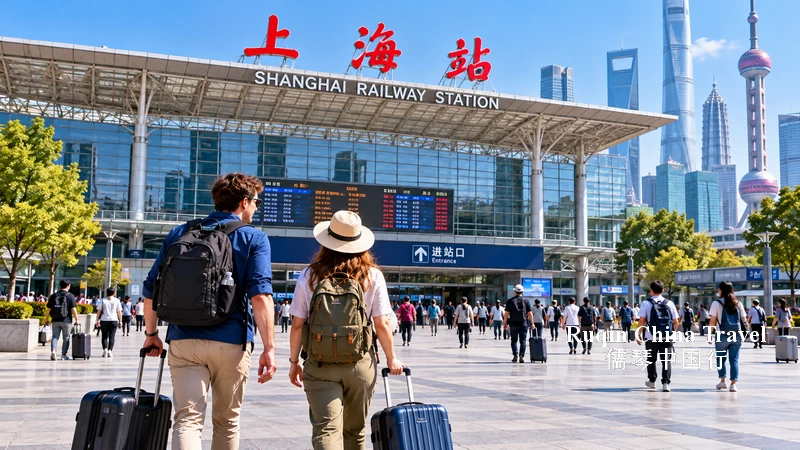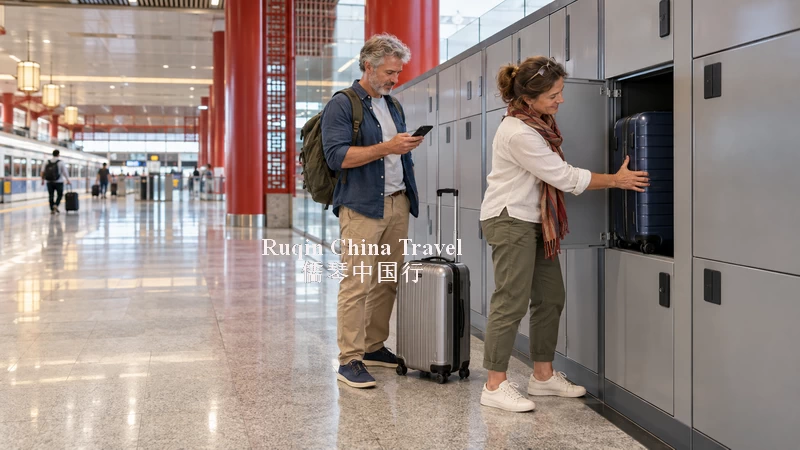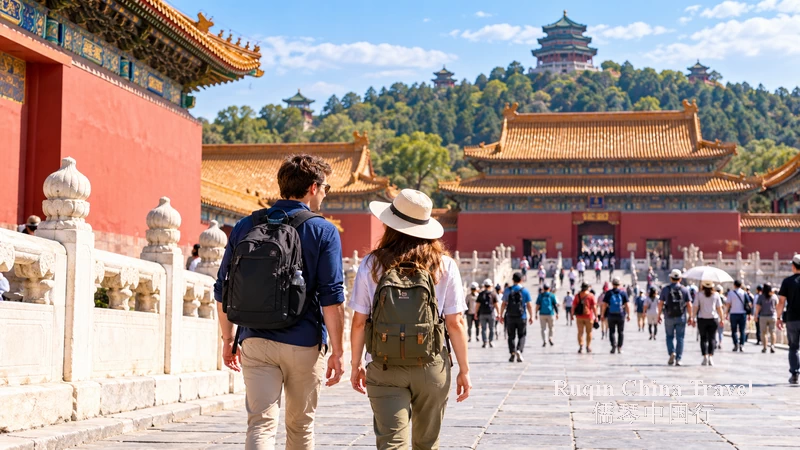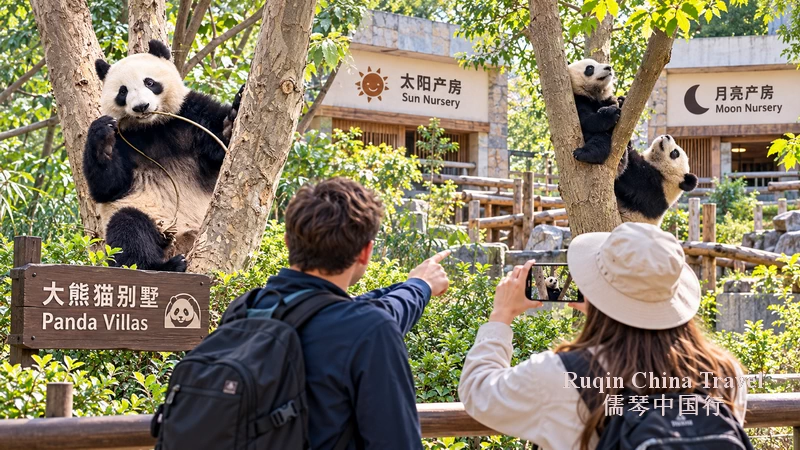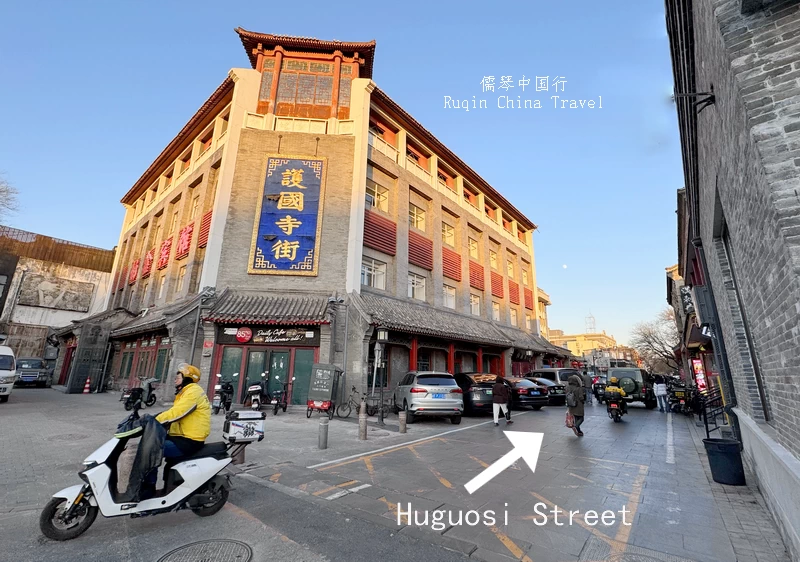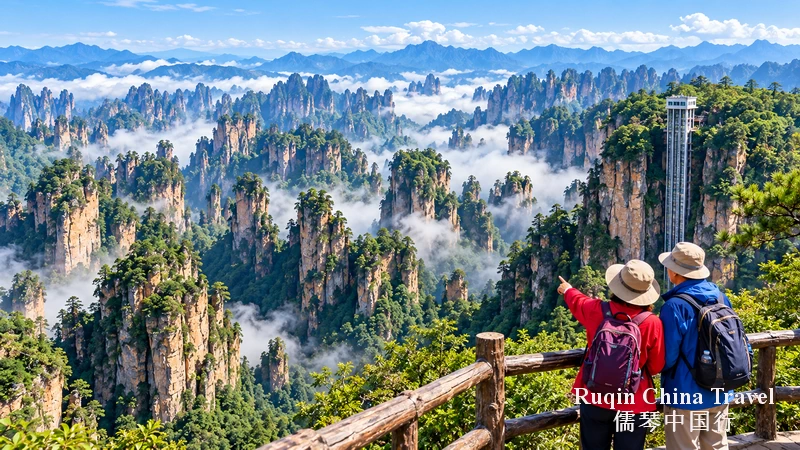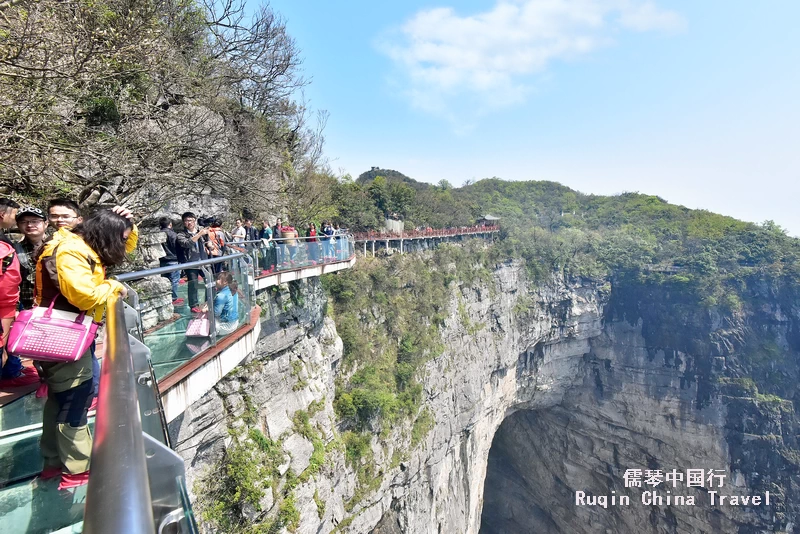

This route follows a natural arc I often recommend for first-time visitors: start with imperial Beijing, move into ancient Xi’an, slow down a little in Chengdu, experience Chongqing’s dramatic mountain city energy, and finish with the surreal landscapes of Zhangjiajie before returning to Chongqing to fly home. It blends history, culture, food, and scenery without feeling rushed — and the travel flow makes practical sense on the ground.
Overview
Route: Beijing → Xi’an → Chengdu → Chongqing → Zhangjiajie → Chongqing
Duration: 14 Days
Best For: First-time visitors who want China’s highlights plus a touch of nature
Travel Style: Cultural immersion + scenic landscapes + food exploration
Pace: Balanced (busy sightseeing days, but realistic transfers and breathing space built in)
Who This Is Perfect For
- First-time visitors who want the “big picture” of China
- Travelers comfortable with high-speed trains
- Anyone who wants a mix of iconic landmarks and dramatic landscapes
Consider another route if:
You prefer very slow travel with multiple rest days, or you’d rather focus deeply on just 2–3 cities.
Why This Route Works
We begin in Beijing because it anchors you historically. Xi’an continues the imperial story but feels more intimate. Chengdu then softens the pace with pandas and teahouse culture. Chongqing shifts the atmosphere — vertical, cinematic, bold. Zhangjiajie gives you China’s other side: misty sandstone pillars and mountain air. Returning to Chongqing avoids complicated flight routes from smaller airports.
The sequencing reduces backtracking and keeps long transfers limited to only a few key days.
Transport Strategy Summary
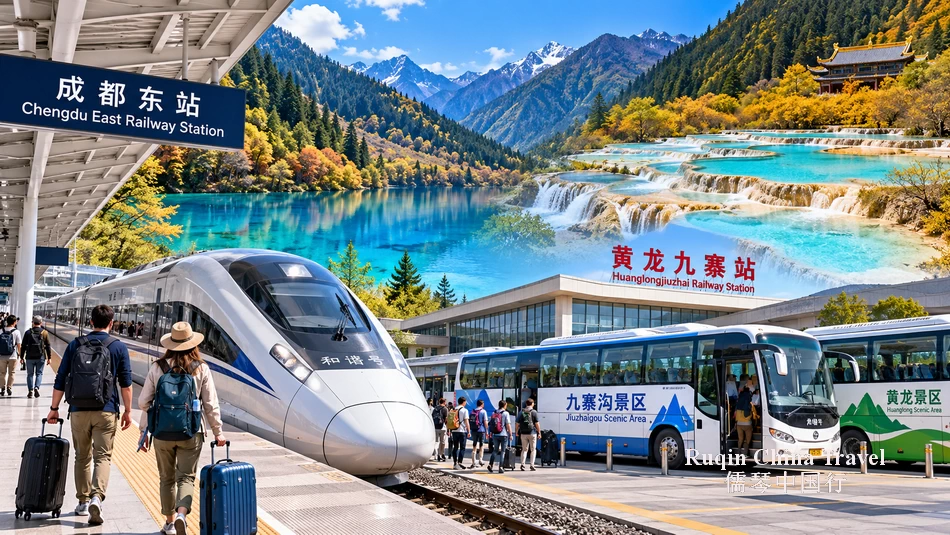
- Beijing → Xi’an: High-speed train (~4.5 hrs)
- Xi’an → Chengdu: High-speed train (~3.5 hrs)
- Chengdu → Chongqing: High-speed train (~2 hrs)
- Chongqing → Zhangjiajie: Train or short flight
- Zhangjiajie → Chongqing: Train
- Fly home from Chongqing
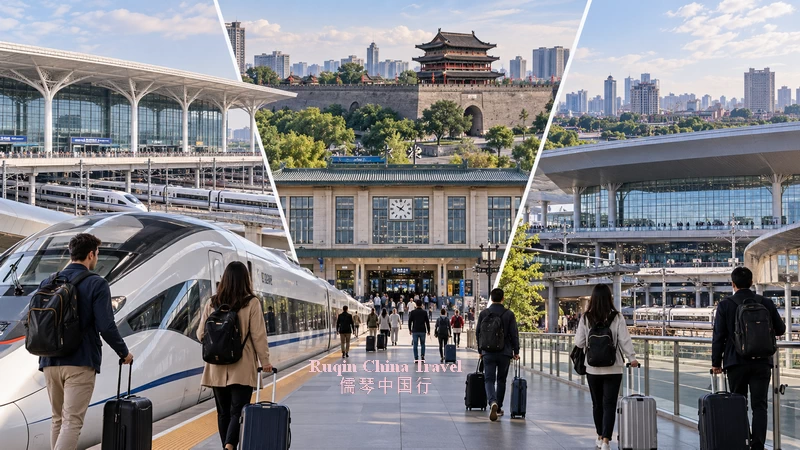
China’s high-speed rail network is smooth and comfortable. I generally suggest second class seats — perfectly fine and good value.
Day-by-Day Plan
Day 1 – Arrive in Beijing
Macro Snapshot: Late-night arrival. Full rest.
Midnight arrival can feel disorienting, so today is simply about checking into your hotel and sleeping. I always suggest planning nothing in the morning after a midnight landing. Let your body adjust naturally.
Why today works this way:
Starting gently makes the rest of the trip stronger.
Day 2 – Beijing
Macro Snapshot: Full sightseeing day, mostly flat walking.

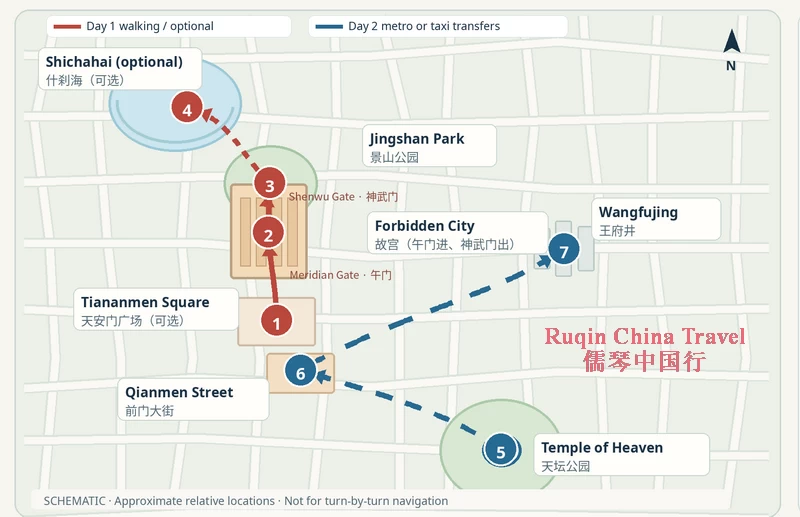
- Morning: Temple of Heaven
- Qianmen pedestrian street
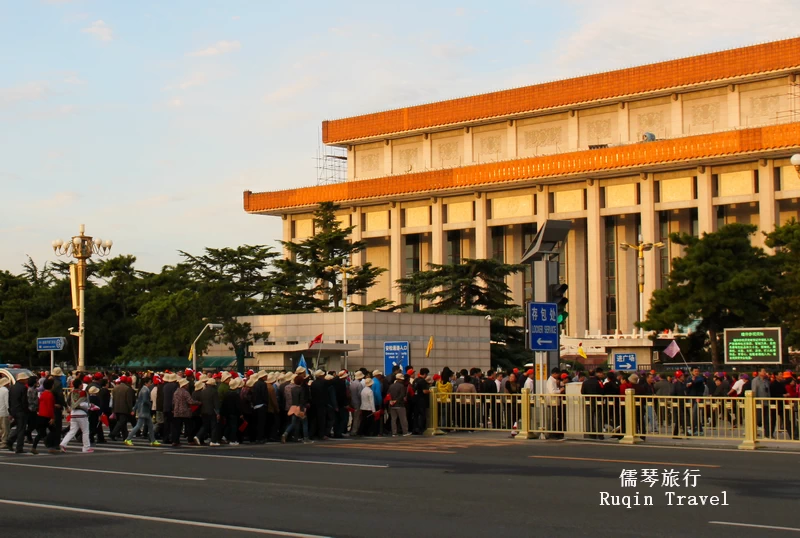
- Tiananmen Square
- Forbidden City
- Sunset at Jingshan Park
Start at the Temple of Heaven — peaceful, spacious, and still used by locals for morning exercise. It’s where emperors prayed for good harvests, and it sets the tone for imperial Beijing.
Walk through Qianmen toward Tiananmen Square, then enter the Forbidden City. The scale is immense — layers of courtyards, golden roofs, and symbolic symmetry. It’s less about individual buildings and more about absorbing imperial power through architecture.
Climb Jingshan Park at sunset. The short hill gives you that iconic panoramic view over the palace rooftops.
Why today works this way:
It follows the historical axis of Beijing — spiritually, politically, and visually.
Day 3 – Great Wall (Mutianyu)
Macro Snapshot: Half-day excursion outside city. Moderate walking.
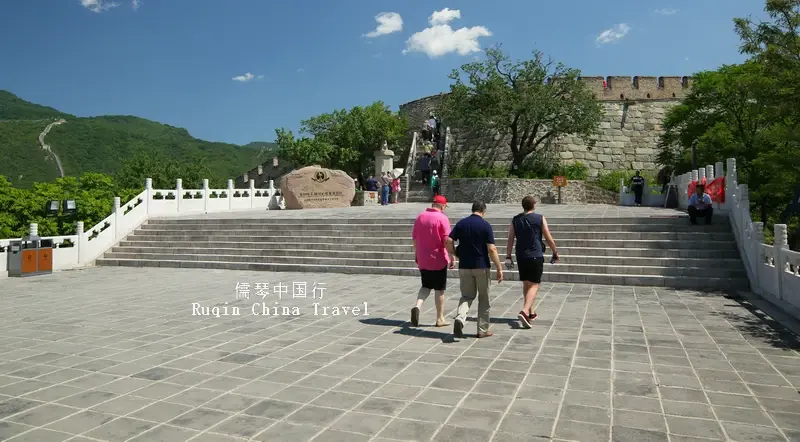
Head to Mutianyu, a scenic and less crowded section of the Great Wall. The wall here rolls dramatically over green mountains.
Take the cable car up to save energy. Walk between watchtowers at your own pace. The stone pathways and wide views make it feel cinematic. If you’re feeling playful, take the toboggan down — it’s surprisingly fun.
Relaxed evening back in Beijing.
Why today works this way:
The Great Wall deserves its own focus. A lighter evening helps recovery.
Day 4 – Beijing
Macro Snapshot: Balanced cultural day.
Morning at the Summer Palace. The lake, long corridors, and pavilions feel softer and more poetic than the Forbidden City.

In the afternoon, explore Shichahai hutong lanes. These narrow alleyways show everyday Beijing life — courtyards, bicycles, quiet corners.
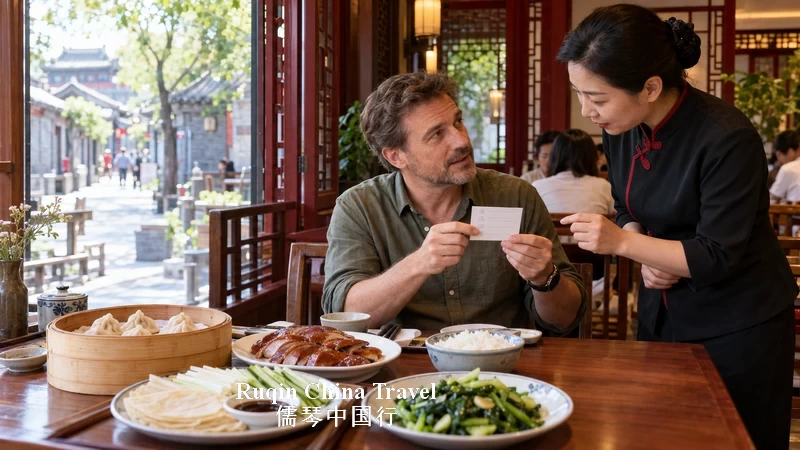
Evening Peking duck dinner — crispy skin carved tableside. It’s ritual as much as meal.
Why today works this way:
After big imperial sites, today shows residential and relaxed Beijing.
Day 5 – Beijing → Xi’an
Macro Snapshot: Morning train (~4.5 hrs). Afternoon city walk.
High-speed train to Xi’an.
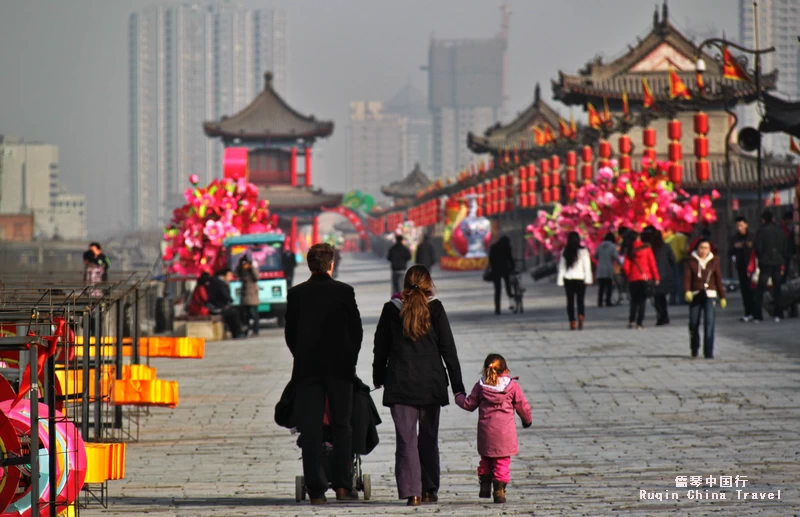
Explore the Muslim Quarter — lively, aromatic, full of skewers and flatbreads. It reflects the Silk Road’s multicultural history.
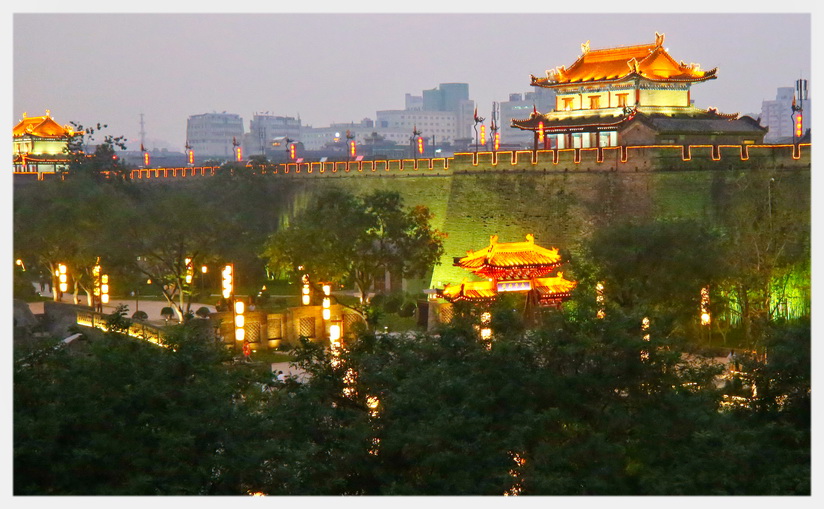
Walk or bike the ancient city wall at sunset. It’s wide and surprisingly peaceful.
Why today works this way:
Travel in the morning, gentle exploration in the afternoon keeps it manageable.
Day 6 – Terracotta Warriors → Chengdu
Macro Snapshot: Morning excursion. Afternoon train (~3.5 hrs).
Visit the Terracotta Warriors — thousands of life-sized soldiers, each with unique facial features. It’s one of those rare sites that genuinely feels historic rather than staged.
Afternoon high-speed train to Chengdu.

Why today works this way:
Front-load the major site, then transition cities efficiently.
Day 7 – Chengdu
Macro Snapshot: Relaxed pace.
Morning at the Panda Base — go early when pandas are most active.

People’s Park shows Chengdu’s slow lifestyle — locals drinking tea, playing mahjong.
Kuanzhai Alley in the evening blends traditional architecture with modern cafes and snacks.
Why today works this way:
Chengdu should feel slower. Let it breathe.
Day 8 – Chengdu → Chongqing
Macro Snapshot: Short train (~2 hrs). Urban exploration.

Hongyadong glows at night like a vertical village.
Ride the Yangtze cable car for river views.
Watch the Liziba metro pass through a residential building.
Evening Chongqing hotpot — bold, spicy, social.
Optional rooftop bar for skyline views.
Why today works this way:
Chongqing is about atmosphere — best experienced after dark.
Day 9 – Wulong Day Trip
Macro Snapshot: Full-day excursion.

Furong Cave showcases dramatic underground formations.
The Natural Three Bridges are massive stone arches carved by nature — cinematic and expansive.
Return to Chongqing.
Why today works this way:
Nature contrast after urban Chongqing.
Day 10 – Chongqing → Zhangjiajie
Macro Snapshot: Morning transfer. Light afternoon.
Train or short flight to Zhangjiajie. Check in and explore nearby streets.
Why today works this way:
Keep it easy before two mountain days.
Day 11 – Wulingyuan National Park
Macro Snapshot: Full scenic day.
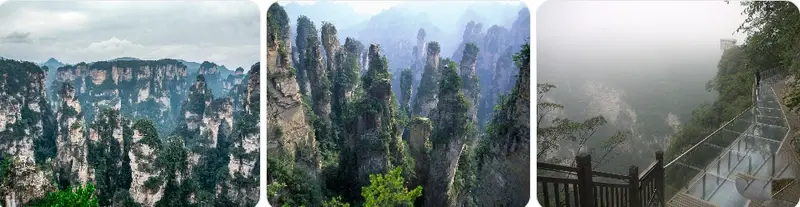
Explore towering sandstone pillars — the “Avatar mountains.”
Main viewpoints offer layered misty peaks.
Walk the Glass Bridge if you’re comfortable with heights.
Why today works this way:
Focus entirely on the core landscape.
Day 12 – Tianmen Mountain → Furong
Macro Snapshot: Mountain morning. Evening transfer.
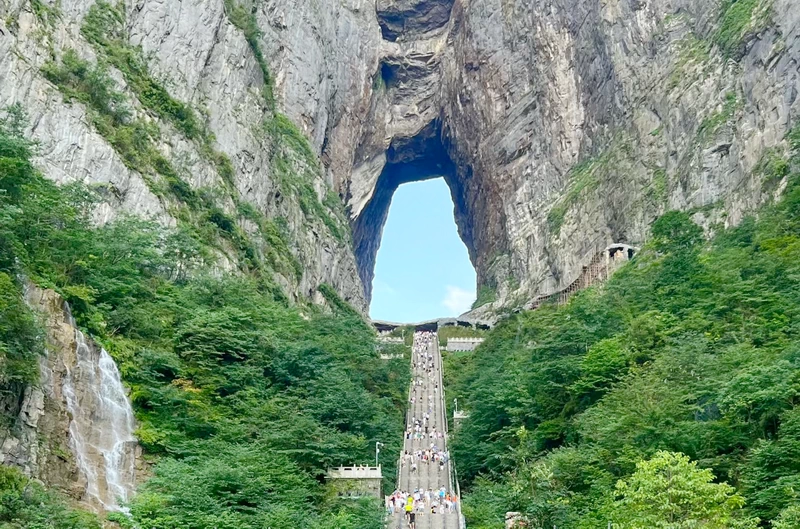
Ride one of the world’s longest cable cars up Tianmen Mountain.
Climb toward Heaven’s Gate.
Optional glass skywalk.
Evening transfer to Furong Ancient Town — built dramatically around a waterfall.
Why today works this way:
Big mountain views first, quiet ancient town at night.
Day 13 – Zhangjiajie → Chongqing
Macro Snapshot: Morning stroll. Afternoon train.
Explore Furong in the morning light — much calmer than at night.
Return to Chongqing. Stay near the airport.
Why today works this way:
Buffer before international departure.
Day 14 – Fly Home
Relaxed morning. Airport transfer. Fly home.
Closing Notes from Ruqin
This route gives you imperial history, ancient armies, pandas, spicy food, dramatic cityscapes, and surreal mountains — without feeling chaotic.
I usually tell first-time visitors: China feels overwhelming only if you try to over-optimize. This plan keeps it structured but breathable.
Book long-distance trains in advance, aim for centrally located hotels near metro stations, and pack comfortable walking shoes — especially for Zhangjiajie.
Further Reading
14-Day China Itinerary: Hong Kong to Beijing (First-Time Grand Scenic Route)
10–12 Day China Itinerary: Shanghai, Chongqing, Xi’an & Beijing (First-Time Visitors, Fast-Paced)
The Best China Tour Itinerary for First-time Visitors
Questions About Planning Your Trip to China
If you still have questions after reading the guides, you’re very welcome to write to me. If something feels unclear — or you’d simply like a second opinion — I’m happy to help.
Just use the short form below and tell me a little about your plan.
There’s no fee for a simple question. No pressure — just a practical reply based on real experience here in China.
If I’m traveling, replies may take a little time. Thank you for your patience.
We respect your privacy. Your details will never be shared or used for marketing.