
Written and updated by Ruqin
Last updated: March 21, 2026
The first thing that struck me about Yu Garden wasn’t the garden itself—it was the contrast. One moment you’re in the middle of Shanghai’s noise and crowds, and the next, you step through the gate into something unexpectedly calm. If you’re wondering how to visit Yu Garden, Shanghai, it helps to understand both sides of that experience.
Known locally as Yuyuan Garden (豫园), this classical space unfolds slowly—zigzag bridges, quiet ponds, and shaded pavilions that make you pause without realizing it. It’s not large, but it feels layered, almost like you’re moving through a story.
Just outside, everything changes again. The bazaar is lively, packed, and full of distractions. With a bit of planning, you can enjoy both without feeling overwhelmed.
1. A Brief History of Yu Garden
Yu Garden began as a private retreat during the Ming Dynasty. Pan Yunduan, a former governor of Sichuan, built it over 20 years as a place for his father, Pan En, to enjoy a peaceful retirement. Pan En himself had held high official positions, including Left Censor-in-Chief of the Censorate and Minister of Justice.
By the mid-to-late Ming Dynasty, Yu Garden had already gained fame as the finest garden in southeastern China. Its reputation attracted scholars, poets, and artists, all drawn by its serene beauty.
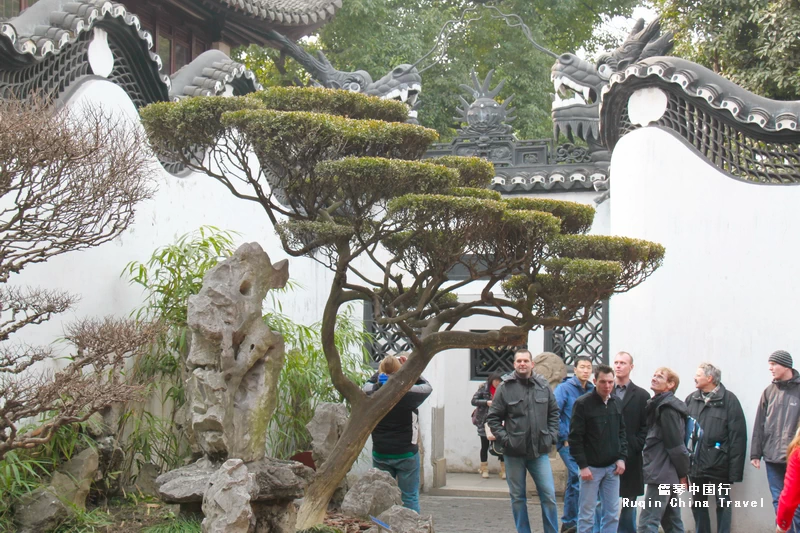
Today, Yu Garden stands as a masterpiece of Jiangnan-style gardens, reflecting the elegance and delicate charm of southern Chinese landscape design during the Ming and Qing eras. Walking through the garden, visitors will find ancient trees, Ming and Qing furniture, calligraphy, paintings, clay sculptures, brick carvings, plaques, and couplets — all preserving the rich traditions of Chinese art and culture.
In February 1982, the State Council of the People’s Republic of China officially listed Yu Garden as a key national cultural heritage site, highlighting its lasting importance.
2. How to Get to Yu Garden in Shanghai
Reaching Yu Garden is less about distance and more about knowing what to expect near the end. The streets tighten, the crowds build, and suddenly you’re no longer navigating a map—you’re following the flow.
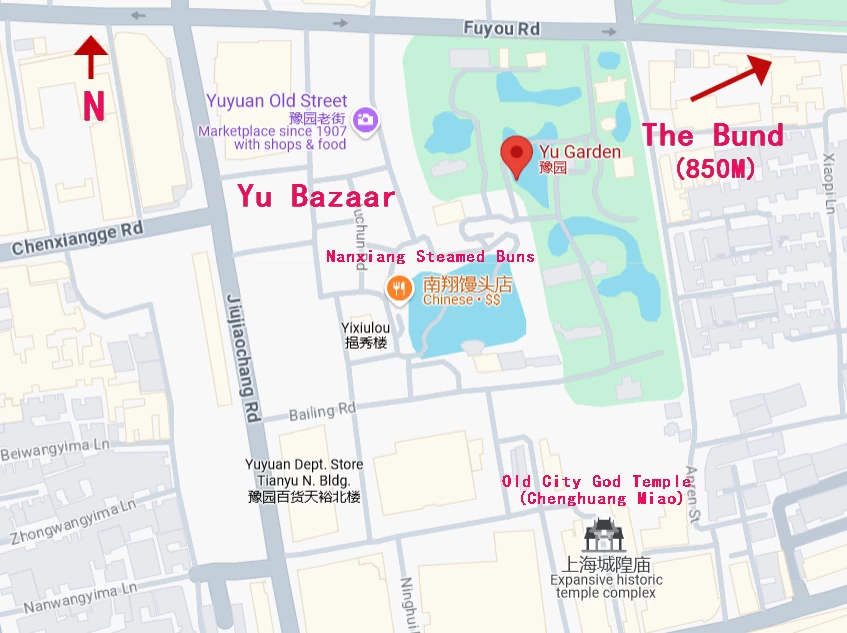
If you’re planning how to visit Yu Garden, Shanghai, it helps to know that the garden sits at 168 Fuyou Road, Huangpu District (上海市黄浦区福佑路168号; Tel: 021-63260830), right in the middle of the old city lanes.
By Metro:
This is what I usually recommend. Take Line 10 to Yuyuan Garden Station (豫园站). From there, it’s about a 10-minute walk—but not a straight one. You’ll pass through busy pedestrian streets and shops before reaching the entrance. Just follow the signs (and the flow of people).
By Taxi:
Taxis are easy—just say “Yu Yuan” (豫园). Still, traffic around the area can slow down, especially in the afternoon or on weekends. You may be dropped a short walk away.
By Foot:
From the Bund, it’s about a 20-minute walk. I like this route—it lets you ease into the atmosphere before the crowds build.
3. Yu Garden Opening Hours and Tickets Booking
One thing I’ve learned at Yu Garden is that timing shapes the entire experience. Arrive too late, and you’ll feel rushed. Arrive prepared, and the visit flows much more comfortably.
Yu Garden (豫园) is open daily from 9:00 AM to 4:30 PM, with last entry at 4:00 PM. It’s closed on Mondays, except during public holidays. During Chinese New Year, hours may shift slightly, so it’s worth double-checking.
Ticket prices are seasonal:
- Peak season (Apr 1–Jun 30, Sep 1–Nov 30): 40 RMB
- Off-season (Jul 1–Aug 31, Dec 1–Mar 31): 30 RMB
Students, seniors, and some other groups may receive discounts or free entry with valid ID.
How to book tickets:
From experience, booking ahead makes a big difference—especially on weekends.
- WeChat Mini Program: Search “上海豫园” or “Shanghai Yu Garden.” Enter your passport details and pay directly. It’s simple once set up, and refunds are possible if plans change.
- Third-party platforms: Options like Viator are easier if you prefer English interfaces.
- On-site purchase: You can buy tickets at the entrance with your passport, but lines can build quickly.
If you want a smoother visit, I’d book in advance and aim to arrive earlier in the day—it gives you space to slow down inside the garden.
4. Best Time to Visit Yu Garden Shanghai
Timing is crucial when planning your trip with this Yu Garden Travel Guide. Choosing the right season and time of day can make a big difference in your experience.

The best time to visit Yu Garden is during spring (March to May) and autumn (September to November). In spring, the garden comes alive with colorful blossoms, fresh greenery, and mild temperatures — making it one of the most beautiful times to explore. Meanwhile, autumn offers cool, comfortable weather and vibrant foliage that adds even more charm to the classical pavilions and ancient rockeries.
Avoiding Crowds
If you want to enjoy a quieter visit, timing your entry carefully is essential.
- Arrive early in the morning right after Yu Garden opens, or plan to visit later in the afternoon when tour groups start to leave.
- Weekdays are much better than weekends, especially during school holidays, national holidays, or festival periods like Chinese New Year.
- Booking Yu Garden tickets in advance — particularly for public holidays — can also help you skip long queues and secure a smoother entry.
Visiting during quieter hours not only gives you more space to admire the intricate gardens but also allows for better photography opportunities without large crowds in the background.
5. Top Attractions in Yu Garden
Inside Yu Garden (豫园), I’ve noticed it’s easy to rush—but the garden rewards you when you slow down. The paths curve for a reason, and each turn reveals something quietly intentional.
Dragon Wall (龙墙):
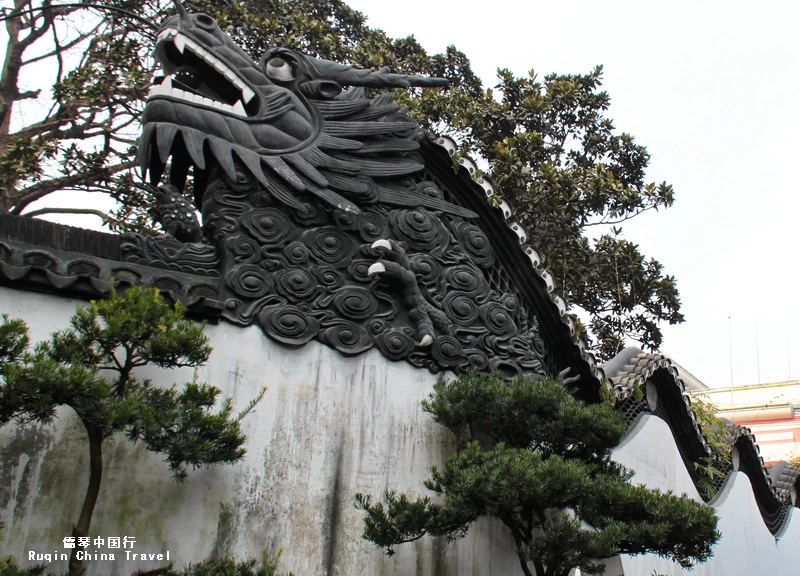
You’ll likely notice this first. The dragon’s body winds along the wall, almost guiding your path. It’s not just decorative—it creates movement through the garden, pulling you from one space to another.
Great Rockery (大假山):
This is the highest point in the garden, about 12 meters tall. Climbing up is worth it. From the top, you finally see how everything connects—ponds, halls, and corridors arranged like a living painting.
Cuixiu Hall (萃秀堂):
A quieter stop. I usually pause here for a moment. The details—wood carvings, curved roofs—feel more noticeable when you step out of the crowd.
Sansui Hall (三穗堂):
The largest structure in the garden. It often hosts exhibitions, but even empty, the space feels grand and balanced.
Wanhua Chamber (万花楼):
Surrounded by water, this spot feels more secluded. It was once used for gatherings and discussions, and that calm atmosphere still lingers.
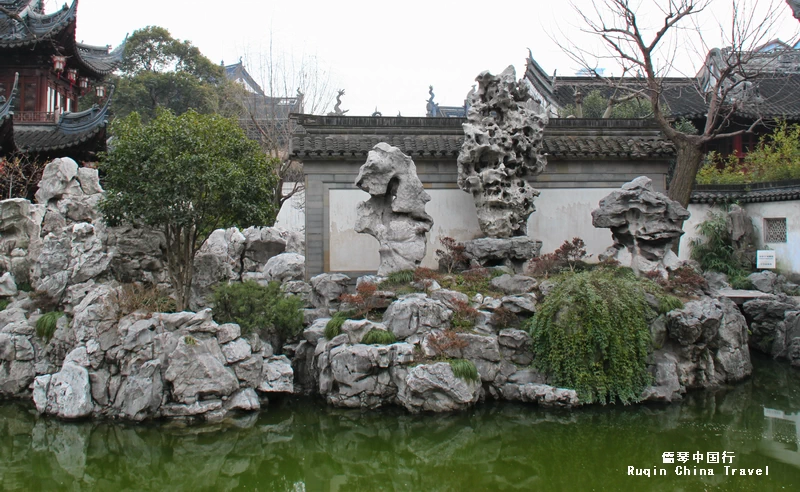
Jadeite Rock (玉玲珑):
One of Yu Garden’s “three treasures.” It’s a naturally formed stone, full of holes and texture—something you might walk past quickly, but worth a closer look.
Each of these places adds a layer to the garden. Together, they create that quiet, unfolding rhythm that makes Yu Garden memorable.
6. Yu Garden Shanghai Walking Tour
The way you move through Yu Garden (豫园) really shapes what you take away from it. I’ve found that it’s not about covering every corner—it’s about following the rhythm of the space and letting it unfold naturally.
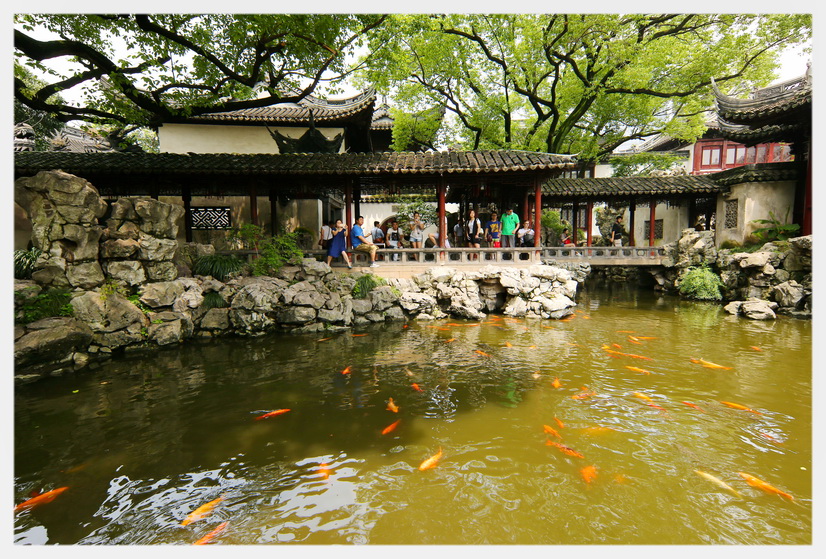
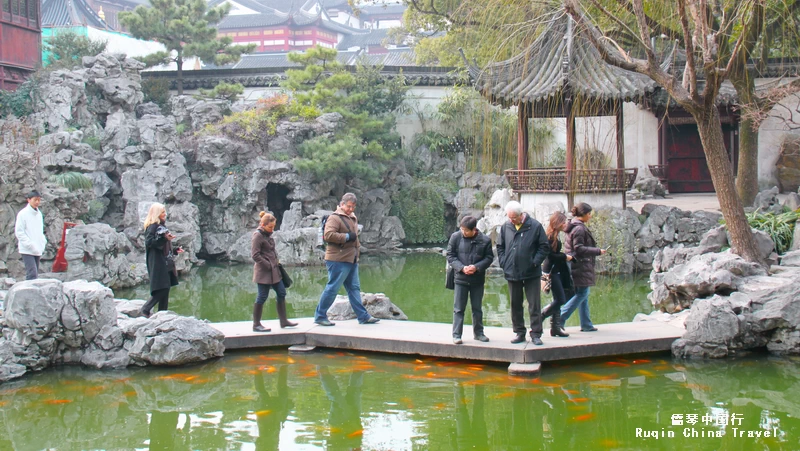
Start at the main entrance and don’t rush. The paths are intentionally winding, so instead of looking for shortcuts, just follow where they lead. Very quickly, you’ll come across the Golden Fish Pond (金鱼池)—usually one of the liveliest spots, with koi gathering near the bridges. It’s a good place to pause and settle into the slower pace of the garden.
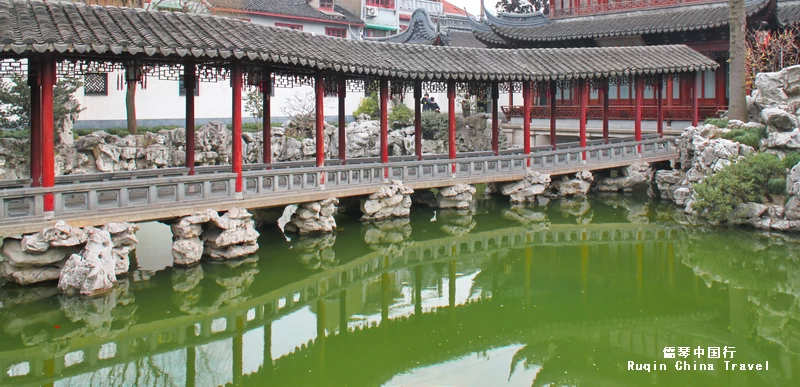
From there, continue toward the Jiyu Water Corridor (积玉水廊). This is one of my favorite stretches. The covered walkway runs alongside the water, with reflections shifting as you move. It’s also a natural place for photos, though I usually find the quieter moments between photos more memorable.
As you continue, you’ll pass sections of the Dragon Wall (龙墙) almost without noticing at first. Then suddenly, the curves and details stand out. It’s one of those features that reveals itself gradually rather than all at once.
Along the way, let yourself pause—on a bridge, beside a rockery, or just in a shaded corridor. Yu Garden isn’t large, but it feels layered. A slow walk, with a few unplanned stops, is what makes it meaningful.
7. Cultural Experiences at Yu Garden Shanghai
What makes Yu Garden (豫园) stay with you isn’t just the scenery—it’s the small cultural moments you stumble into along the way. If you’re thinking about how to visit Yu Garden, Shanghai, this is the layer that often surprises people.
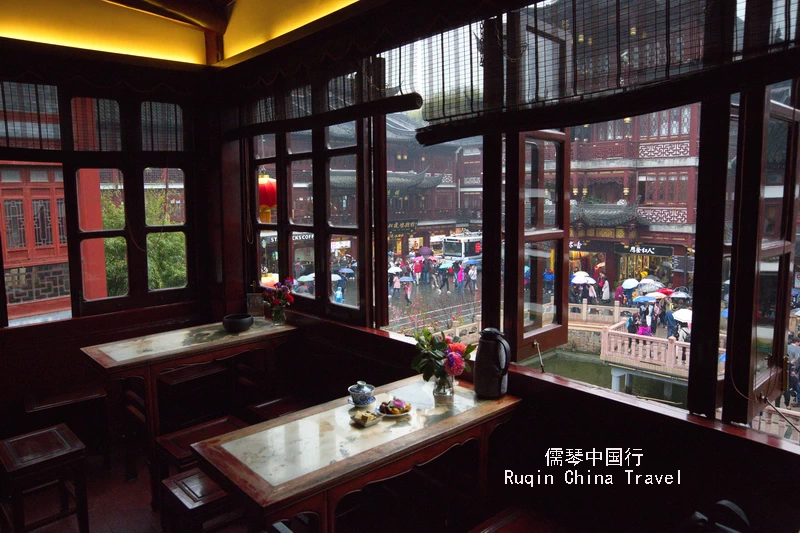
Huxinting Tea House (湖心亭茶楼):
Just outside the garden, across the Nine-turn Bridge (九曲桥), this is where I usually slow down. Sitting with tea, looking over the water—it’s a simple pause that completes the visit.
Peking Opera (京剧):
Occasionally, you’ll hear music before you even see the stage. The costumes, voices, and movements feel very different from anything familiar—but that’s part of the experience. Even a short glimpse is worth it.
Calligraphy (书法):
I’ve stopped more than once to watch artists writing characters with calm precision. It’s quiet, almost meditative, and gives you a deeper sense of Chinese artistic tradition.
8. Shopping at Yu Bazaar Shanghai
Stepping out of Yu Garden (豫园) into Yu Bazaar feels like switching worlds. The quiet paths give way to noise, smells, and constant movement. It can feel overwhelming at first—but if you ease into it, the energy becomes part of the experience.
Nanxiang Steamed Buns (南翔小笼包):
You’ll almost certainly see the lines before you see the shop. This is the famous spot for soup dumplings. I usually go either earlier or later in the day to avoid the longest waits. It’s busy, but the flavor makes it worthwhile.

Traditional Crafts and Souvenirs:
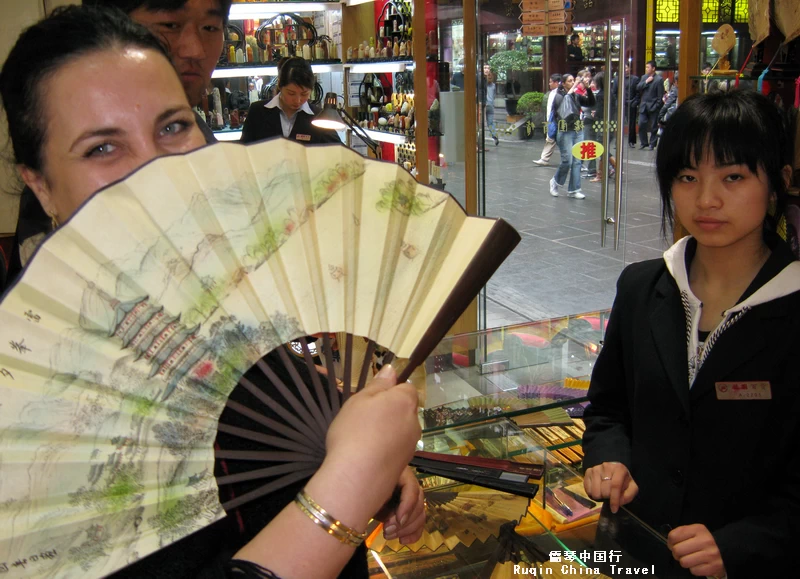
The shops here are packed—silk scarves, jade pieces, tea sets, small handmade items. Some feel touristy, but if you look closely, you can still find thoughtful souvenirs. Take your time instead of buying at the first stall.

Old City God Temple (城隍庙):
Just nearby, this temple offers a noticeable shift in atmosphere. I like stepping in for a few quiet minutes—it adds a cultural layer that balances the buzz outside.
Yu Bazaar isn’t just shopping—it’s part of understanding how to visit Yu Garden, Shanghai as a complete experience.
9. Must-See Places Near Yu Garden
After Yu Garden (豫园), I usually don’t rush off. This part of Shanghai connects naturally to a few places that show very different sides of the city.
The Bund (外滩):
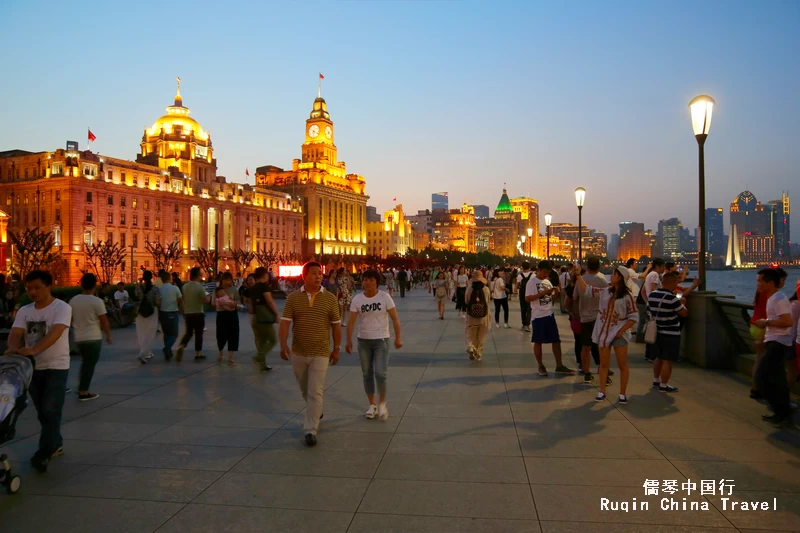
About a 20-minute walk away. I like going toward late afternoon—the light softens, and the skyline across the river starts to glow. It’s one of those views that feels familiar, even before you arrive.
Shanghai Museum (上海博物馆):
If you still have energy, this is where I go to slow things down again. The collections—bronze, ceramics, calligraphy—add context to everything you’ve just seen at Yu Garden.
Xintiandi (新天地):
A short ride away, but a different atmosphere entirely. Restored Shikumen houses now hold cafés and shops. It’s a comfortable place to end the day, especially if you want a relaxed dinner after the crowds.
10. Tips for Visiting Yu Garden in Shanghai
After a few visits to Yu Garden (豫园), I’ve realized it’s the small practical choices that make the biggest difference in how the day feels.
Wear comfortable shoes:
The stone paths are uneven and sometimes slippery. Good shoes make it much easier to move at a relaxed pace.
Arrive early:
If you can, come right when it opens. The garden feels noticeably calmer, and you’ll have space to actually pause and look around.
Be ready to pay locally:
Most places accept mobile payment, but having a little cash helps, especially in the bazaar.
Travel light:
There’s no luggage storage inside. I’ve seen people struggle with bags on narrow paths—it’s much easier with just a small backpack.
Move slowly and stay aware:
Some walkways are tight, and it can get crowded. Take your time, especially on bridges and steps.
Respect the space:
Activities like commercial photography or selling items aren’t allowed without permission. Also, pets aren’t permitted (except guide dogs).
If anything feels unclear, staff are usually nearby and helpful—don’t hesitate to ask.
Planning ahead makes a noticeable difference here. When you understand how to visit Yu Garden, Shanghai, from timing to tickets, the whole experience feels smoother and far more enjoyable.
For me, Yu Garden is about contrast—quiet ponds inside, lively streets just outside. If you move slowly, pause often, and let the space unfold, it becomes more than a checklist stop. It’s one of those places in Shanghai that stays with you a little longer.
Frequently Asked Questions
1. Do I need to book Yu Garden tickets in advance?
You can purchase tickets at the gate, but lines may form during peak hours. Online booking saves time and ensures entry at your preferred slot.
2. Can I use e-tickets, or do I need a physical ticket?
You may use e‑tickets for Yu Garden linked to your passport and scan at entry. Alternatively, you can get a paper ticket on site.
3. How do I get to Yu Garden?
Take the Shanghai Metro to Yuyuan Garden Station (Line 10 or 14), Exit 1. The garden is just a short walk away.
4. When is the best time to visit Yu Garden?
Visit early on weekdays for fewer crowds. Late spring (April–May) and autumn offer the best scenery. Night visits light up the garden and nearby bazaar too.
5. How long should I plan to stay in Yu Garden?
Spend at least 1.5–2 hours inside the garden and more time wandering the bazaar. A half-day visit lets you enjoy both places calmly.
6. Is the garden safe and well maintained?
Yes—Yu Garden is a protected cultural site with over 40 scenic spots. It stays in great shape thanks to regular restoration projects.
7. What can I find in the Yu Bazaar?
Right outside Yu Garden, Yu Bazaar is packed with shops and food stalls. Try Shanghai snacks like xiao long bao, buy crafts, and soak in the vibrant atmosphere.
8. Are there any scams or crowd warnings foreign travelers should know?
Yes. Yu Garden, especially the Yu Bazaar, the area can get very busy. Stay alert for pickpockets, and keep your belongings close while shopping in crowded market lanes.
About the Author
Ruqin is the founder of Ruqintravel.com and has spent more than four decades working in China’s travel industry. Drawing on hands-on experience in cities like Beijing and Hangzhou, he personally researches and updates each guide to help international travelers navigate China with confidence.
Further Reading
What to Buy in Shanghai: Best Souvenirs, Gifts & Snacks
How to Visit the Bund in Shanghai: Top Things to Do, Map & Tips
Shanghai People’s Square: Metro, Attractions, Hotels & Travel Tips
Shanghai Museum: Tickets, Transport, Highlights & Tips
Former French Concession Shanghai: Maps, Walking Route & Tips
Tianzifang: Breathing in Shanghai’s Soul
Shanghai People’s Square: Metro, Attractions, Hotels & Travel Tips