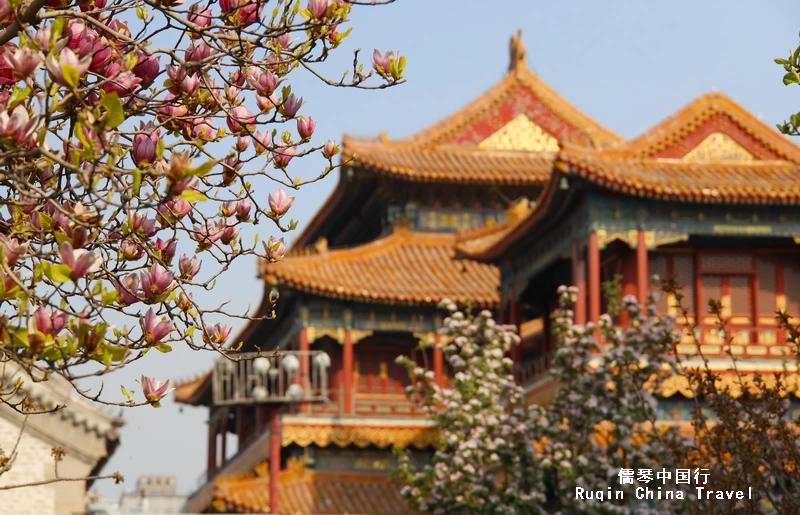

Tour Summary
Beijing is often introduced through emperors and dynasties, but the city’s spiritual life runs just as deep.
This one-day route moves through three distinct religious traditions — Tibetan Buddhism, Catholicism, and Taoism — each rooted in different historical moments. Together, they reveal how belief systems have coexisted and adapted within China’s political and cultural landscape.
It’s a quieter day. Reflective rather than grand.
Route: Yonghe Temple → Lunch → Xishiku Church → White Cloud Temple
Duration: 7–8 hours
Best For: Culture-focused travelers, return visitors, spiritually curious guests
Travel Style: Architectural exploration + historical context
Pace: Calm and Steady (moderate walking, contemplative atmosphere)
Tour Itinerary
You begin at Yonghe Temple — active, atmospheric, filled with incense and chanting. After lunch, you shift into the solemn interior of a Catholic cathedral. The day ends at White Cloud Temple, where Taoist philosophy emphasizes harmony and balance.
- Yonghe Temple and Xishiku Church are both within central Beijing.
- White Cloud Temple is located slightly southwest and requires transfer time.
- A private vehicle reduces transit complexity.
- Religious sites may have restrictions during ceremonies — flexibility is helpful.
Morning
Yonghe Temple (Lama Temple)
Arrive around 8:30 AM at
Yonghe Temple.
Originally built as a Qing dynasty prince’s residence, this complex later became Beijing’s most important Tibetan Buddhist temple.
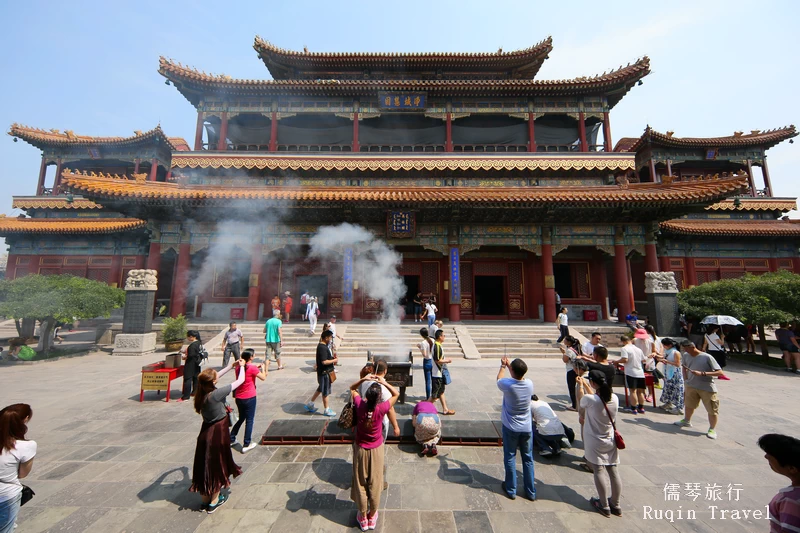
Yonghe Temple ( Lama Temple)
As you walk through the aligned courtyards, you’ll see:
- Hall of Harmony and Peace
- Elaborate roof carvings
- Worshippers offering incense
- The towering Maitreya Buddha statue carved from a single sandalwood tree
The scent of incense and low chanting create an immediate atmosphere.
I usually suggest moving slowly here — this is an active place of worship, not just a monument.
Plan about 1.5–2 hours.
Midday – Lunch
Around 12:00 PM, enjoy lunch nearby.
Keep it light and simple. After temple visits, a quiet meal feels appropriate before continuing the day.
Afternoon
Xishiku Church (North Church)
Arrive around 1:30 PM at
Xishiku Church, also known as the North Church.
This Gothic-style cathedral reflects the introduction of Catholicism into Beijing centuries ago. Its architecture contrasts sharply with traditional Chinese temple design.
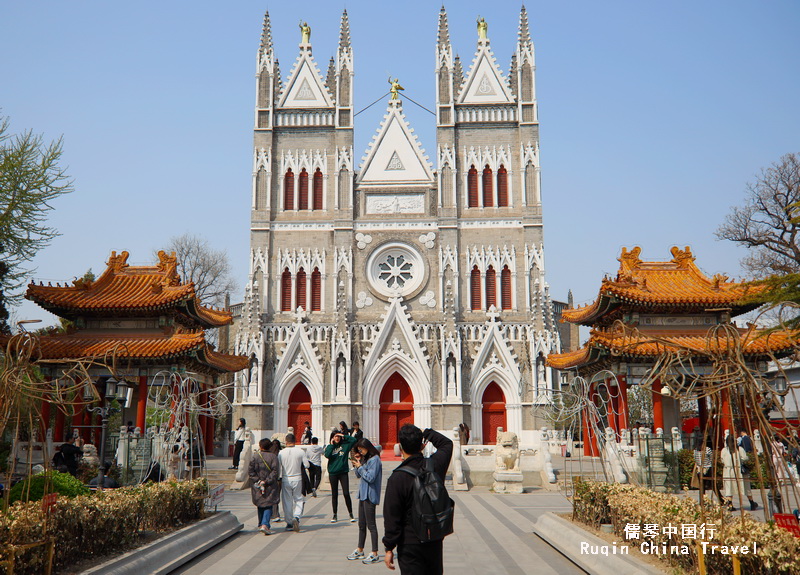
Xishiku Church
Inside, you’ll notice:
- Stained-glass windows
- High vaulted ceilings
- Western altar structure
The atmosphere is solemn and ordered — very different from the incense-filled courtyards of Yonghe Temple.
Visits should remain respectful and quiet, especially if a service is in progress.
Plan about 45–60 minutes.
White Cloud Temple
Around 3:00 PM, continue to
White Cloud Temple.
This is one of the most important Taoist temples in northern China and the headquarters of the Quanzhen School of Taoism.
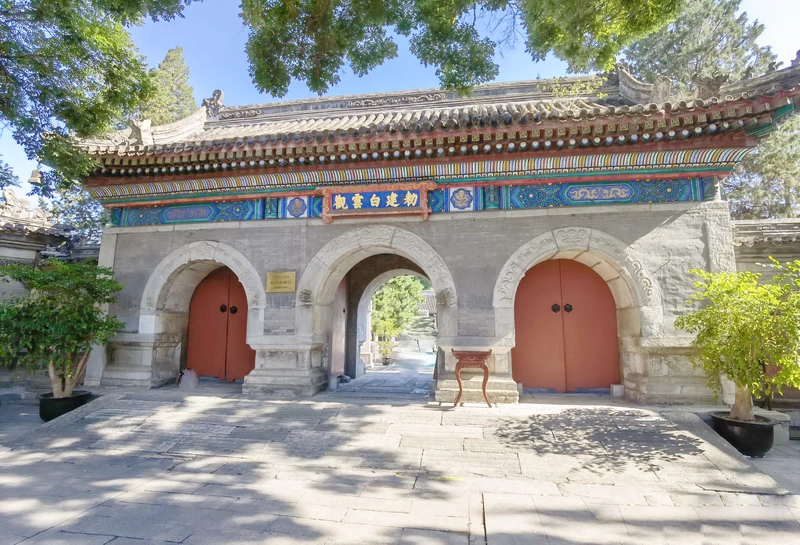
White Cloud Temple
Here, the pace naturally slows.
You’ll see:
- Taoist deity halls
- Stone carvings and symbolic motifs
- Devotees offering incense
- Quiet inner courtyards
Taoism emphasizes harmony with nature and balance between opposing forces. The temple’s layout reflects this philosophy — less grand than imperial architecture, more intimate.
Allow about 1–1.5 hours here.
Why end here: Taoist space feels grounding. It’s a calm conclusion.
Around 5:00 PM
Return to your hotel.
Evening traffic may vary depending on district.
Practical Notes from Me
- Dress modestly (covered shoulders and respectful attire are appropriate).
- Photography rules differ by site — follow posted guidelines.
- Speak softly, especially inside halls and prayer areas.
- Avoid scheduling this route on major religious holidays unless you welcome larger crowds.
If you’d like to expand this theme further, we can also include:
- Confucian Temple
- Niujie Mosque
- Or a focused half-day version
Beijing’s religious history is layered rather than loud. When you slow down and look carefully, you begin to see how different traditions have shaped the city quietly, side by side.
Further Reading
How to Visit Lama Temple: Maps, Tickets, Highlights & Travel Tips
Xishiku Church: Mass, Sights, Transport and Travel Tips
The 10 Best Temples in Beijing You Need to Explore
Top 10 Mosques in Beijing: Entry Info, Locations, Highlights & Tips
Questions About Planning Your Trip to China
If you still have questions after reading the guides, you’re very welcome to write to me.
I’ve helped many travelers think through routes, train connections, timing between cities, and the small details that make a trip smoother. If something feels unclear — or you’d simply like a second opinion — I’m happy to help.
Just use the short form below and tell me a little about your plan.
There’s no fee for a simple question. No pressure — just a practical reply based on real experience here in China.
If I’m traveling, replies may take a little time. Thank you for your patience.
We respect your privacy. Your details will never be shared or used for marketing.