
Tour Summary
If the Forbidden City shows you imperial Beijing, the hutongs show you lived Beijing.
This is the day I suggest when you want to understand how the city actually breathes — narrow lanes, courtyard homes, morning market sounds, neighbors chatting across doorways. You’ll explore the Shichahai hutong area, step inside traditional siheyuan courtyards, share a simple local lunch, and end in Nanluoguxiang where old Beijing meets contemporary creativity.
It’s not about monuments. It’s about atmosphere.
Route: Shichahai Hutongs → Traditional Courtyard Visit → Local Lunch → Courtyard Cultural Activity → Nanluoguxiang
Duration: 6–8 hours
Best For: Culture-focused travelers, return visitors, families, photographers
Travel Style: Walking exploration with cultural interaction
Pace: Relaxed to Balanced (mostly flat walking, flexible timing)
Day Tour Itinerary
Mostly flat walking in historic lanes → relaxed lunch → interactive cultural experience → flexible exploration time in the afternoon. Comfortable shoes are important. Distances aren’t long, but you’ll be on your feet.
Morning
Shichahai Hutong Area
Start around 9:00 AM.
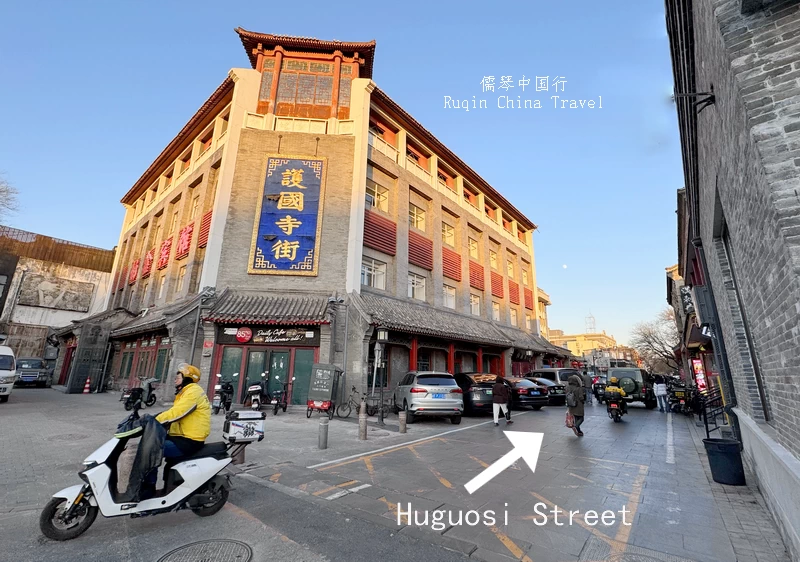
The Shichahai area surrounds a chain of lakes and contains some of Beijing’s best-preserved hutong networks. Unlike larger attractions, this area feels residential and layered.
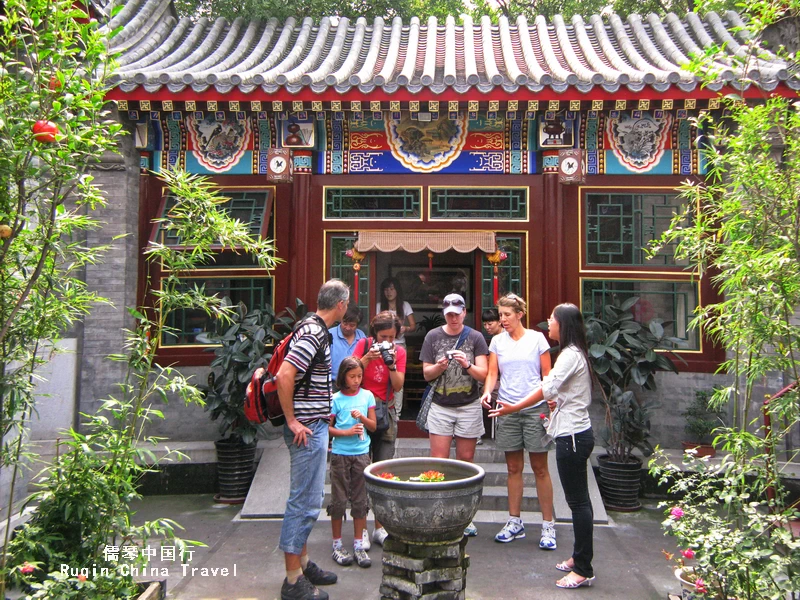
A well-preserved old Courtyard
As you walk through the narrow lanes, you’ll notice:
- Grey brick walls and carved wooden gates
- Courtyard homes (siheyuan) arranged around a central yard
- Elderly residents playing cards or chatting outside
If possible, step inside a preserved courtyard home. The traditional siheyuan layout reflects hierarchy and family structure — older generations traditionally lived in the main northern hall, facing south for optimal light.
I often explain here that hutongs are not just old streets — they are social ecosystems.
Optional Rickshaw Ride
A short rickshaw ride through interconnected lanes offers a relaxed way to cover more ground. It’s not essential, but some travelers enjoy seeing the maze-like layout from a seated perspective.
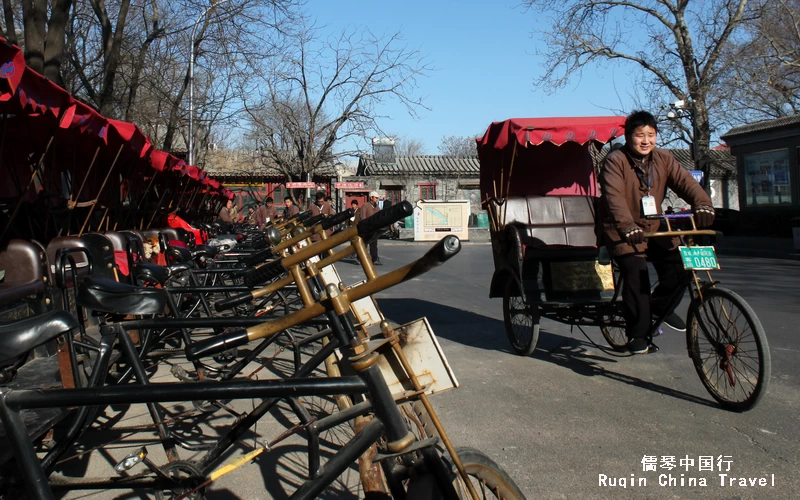
Take a rickshaw ride
Keep expectations realistic — it’s about atmosphere, not speed.
Midday – Local Beijing Lunch
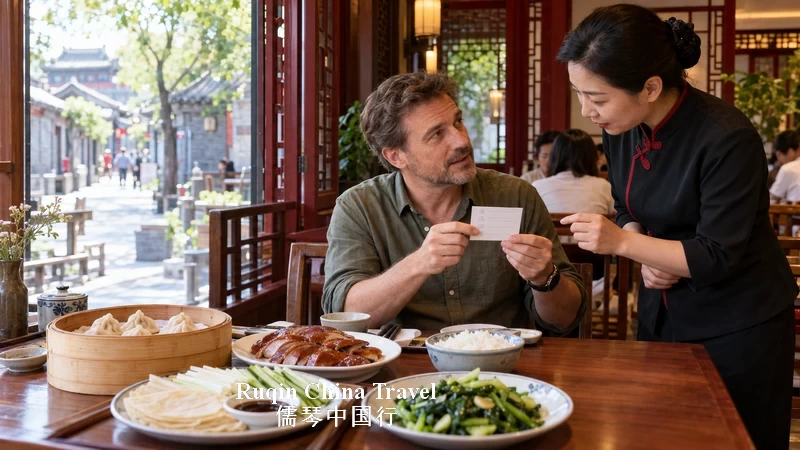
Around 12:00 PM, stop at a neighborhood restaurant.
Simple, authentic dishes work best here:
- Zhajiangmian (noodles with soybean paste)
- Stir-fried seasonal vegetables
- Dumplings
- Light Beijing-style home cooking
I usually suggest keeping lunch local and informal. The hutong experience feels more genuine that way.
Afternoon
Courtyard Cultural Visit
Around 1:30 PM.
If arranged in advance, you may visit a lived-in or preserved courtyard space where you can:
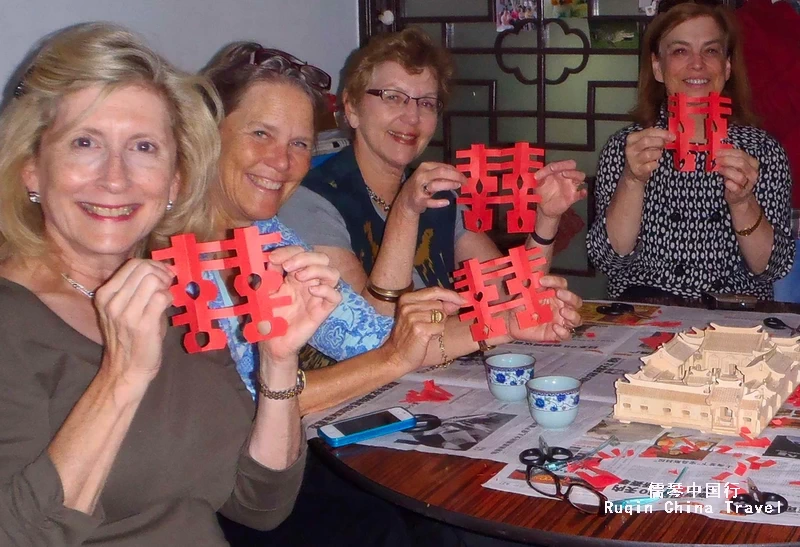
Paper Cutting
- Learn about daily courtyard life
- Understand how multi-generational families shared space
- Participate in a simple hands-on activity such as paper cutting or Peking Opera mask painting
These activities are usually light and symbolic — more about cultural introduction than mastery.
What makes this meaningful is the conversation.
Nanluoguxiang
Around 3:00 PM, walk toward Nanluoguxiang.
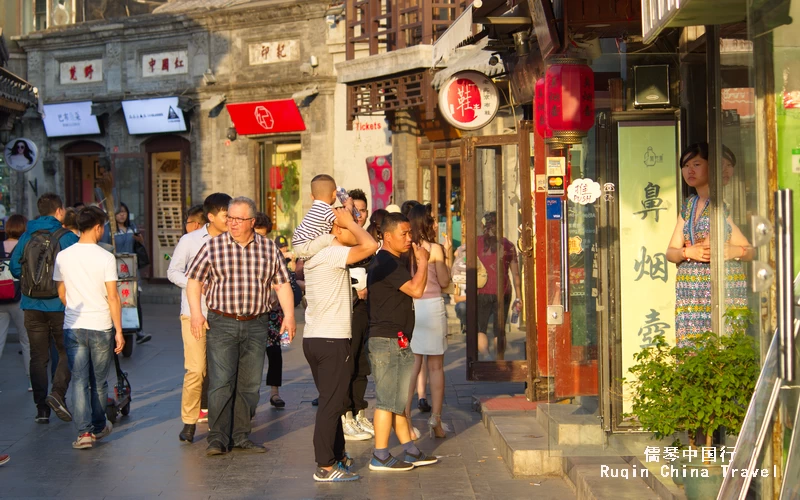
This historic lane is one of Beijing’s best-known hutong streets. It retains traditional architecture but now houses:
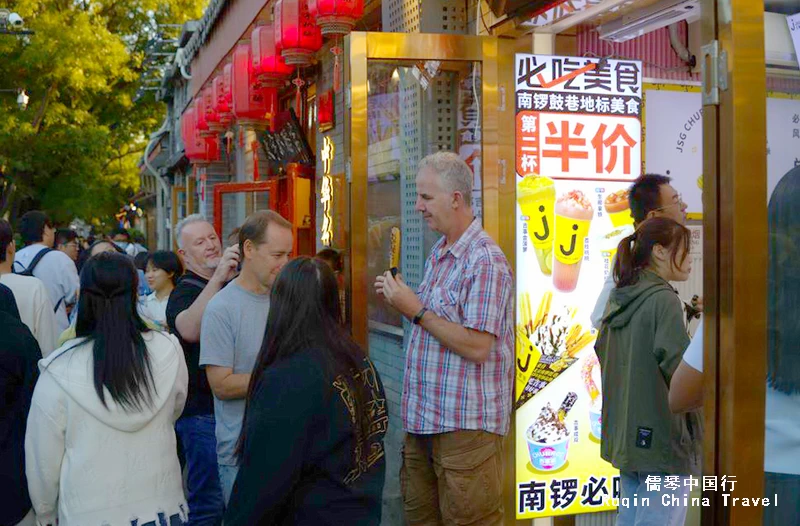
Experience Nanluogixiang Hutong
- Independent boutiques
- Tea houses
- Cafés
- Small design shops
It’s more commercial than Shichahai, but it shows how old Beijing adapts rather than disappears.
You can stroll freely here. Some travelers enjoy stopping for tea or a light dessert.
Why end here: The energy is lighter and more contemporary — a gentle transition back to modern Beijing.
Around 4:30–5:00 PM
Return to your hotel.
Traffic isn’t usually heavy within central hutong areas, but late afternoon can still slow things down slightly.
Practical Notes from Me
- Wear comfortable walking shoes — hutong lanes are paved but uneven in places.
- Bring water in summer; shade is limited in some alleys.
- Winter hutong walks can feel cold due to open lanes and wind exposure.
- This route pairs very well with an imperial highlights day on a separate date.
If you’d like, this day can also be combined with:
- A morning Lama Temple visit
- A local food-focused version
- A photography-focused hutong route
- A family-friendly shorter version
Hutongs reward patience. The slower you walk, the more you notice.
Further Reading
Shichahai Travel Guide: Hutongs, Bars, Food & Things to Do
Nanluoguxiang: Maps, Shopping, Bars, Cafes, Food, Hutong & Tips
Yandai Xiejie Street (Yandaixie): Shops, Food, Sights and Tips
Wudaoying Hutong: Map, Shops, Cafes, Food and Travel Tips
Questions About Planning Your Trip to China
If you still have questions after reading the guides, you’re very welcome to write to me.
I’ve helped many travelers think through routes, train connections, timing between cities, and the small details that make a trip smoother. If something feels unclear — or you’d simply like a second opinion — I’m happy to help.
Just use the short form below and tell me a little about your plan.
There’s no fee for a simple question. No pressure — just a practical reply based on real experience here in China.
If I’m traveling, replies may take a little time. Thank you for your patience.
We respect your privacy. Your details will never be shared or used for marketing