Written and updated by Ruqin
Last updated: January 27, 2026
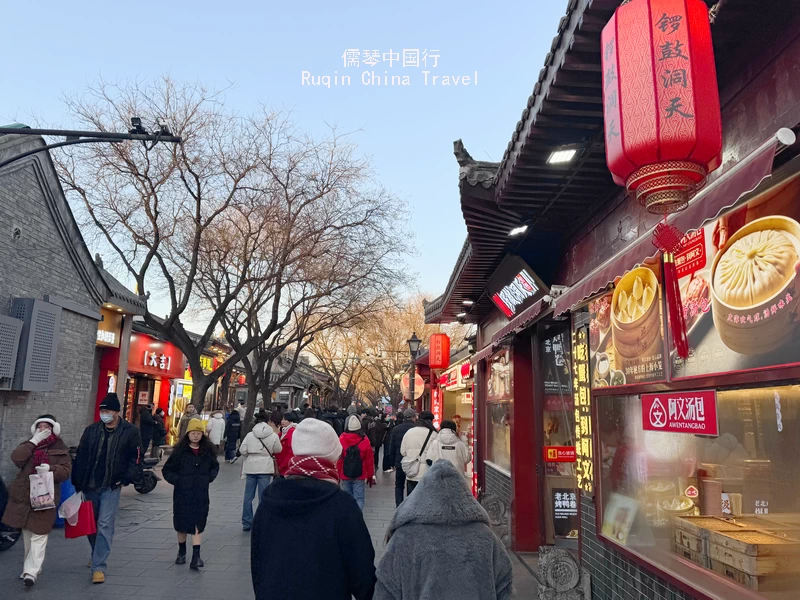
You slip into Beijing’s narrow hutongs, and everything softens—gray brick walls, quiet courtyards, the faint ring of a bell behind you. Then a rickshaw rolls up, slow and inviting. I’ve been in that exact moment, thinking it felt almost cinematic. But this is also where Beijing Hutong Rickshaw Scams quietly begin, often before you realize what’s happening.
I don’t say that to alarm you. I say it because I’ve watched travelers get caught off guard here. In this guide, I’ll walk you through what to notice, what to ask, and when to step back—so you can enjoy the hutongs without second-guessing every ride.
Rickshaw Scam Quick Guide — Read This Before You Ride
First, choose safely. Look for official rickshaw stations, especially around Shichahai. Next, pick vehicles with clear numbers and signs. Then, write the price and route on paper before boarding. Meanwhile, consider walking or joining a trusted walking tour. These steps avoid most Beijing Hutong Rickshaw Scams.
However, avoid clear red flags. Don’t trust ultra-cheap street offers like “20 RMB for everything.” Next, skip old, unmarked rickshaws. Meanwhile, ignore claims about “closed sights” or “must-buy tickets.” Never stop for shopping without consent. In short: no agreement, don’t ride; unclear route, walk away. This mindset protects you from Beijing Rickshaw Tour Scams.
Common Beijing Hutong Rickshaw Scams (and How to Handle Them)
Rickshaws can feel like moving windows into hutong life. However, the wrong choice quickly turns charm into stress. Below are the most common traps you’ll encounter—and the simple ways you protect yourself before the ride even begins.
1) Illegal “Black Rickshaws”: The Unlicensed Trap on Wheels
Most rickshaws that approach you directly on the street are unlicensed. They have no permits. No registered vehicles. No recorded drivers. Meanwhile, they operate freely. If an accident or dispute happens, you have no protection. This is the core of many Beijing Hutong Rickshaw Scams.
So here’s what you do instead. First, look for official hutong tour signs, clear vehicle numbers, and drivers wearing ID badges. Next, head to fixed operating points, usually near tourist centers like Shichahai. Legitimate rickshaws wait in line. They don’t chase customers.
Meanwhile, avoid anyone who approaches you aggressively in English or Chinese. Promises come fast. Prices sound tempting. However, real operators don’t sell on the move. If a rickshaw comes to you, walk away. Another, safer option always appears.
2) Price Fog Traps: From “Sweet Deals” to Shock Bills
This is the most common trick you’ll face. First, the driver smiles. Next, they offer an unbelievable price. “50 RMB for one hour.” Or worse, “20 RMB for the hutongs.” It sounds harmless. However, the trap closes later. When the ride ends, the price changes. Suddenly, it’s per person. Meanwhile, “guiding fees” appear. In addition, free sights become paid stops. This is how Beijing Hutong Rickshaw Scams turn cheap rides into expensive lessons.
So protect yourself early. First, write everything down before you ride. Confirm the total price for the whole rickshaw, not per person. Next, note the route, time, and number of riders. Then, take a quick photo of the driver and vehicle. Never trust verbal promises. Finally, use a map. Point to landmarks like Yinding Bridge or Yandai Xiejie. Clear boundaries stop most Beijing Rickshaw Tour Traps instantly.
3) Safety Risks: When a Rickshaw Ride Turns Reckless
At first, the ride feels exciting. The wind rushes past. Meanwhile, speed picks up. However, many unlicensed rickshaws are poorly modified secondhand vehicles. Braking relies on dragging a foot. In narrow hutongs, drivers weave, run lights, and rush. This is where Beijing Hutong Rickshaw Scams turn dangerous.
So slow things down. First, look closely at the rickshaw. Skip anything rusty, dirty, or badly welded. Next, choose vehicles with a canopy and seat belts. Use them. In addition, speak up early. Ask the driver to slow down and follow traffic rules. If the ride feels unsafe, act. Meanwhile, ask to stop. Get off calmly. Your safety matters more than finishing any tour. These steps help you avoid serious Beijing Rickshaw Tour Traps.
4) Scripted Stories and Shopping Stops: The Hutong “Show”
At first, the driver sounds confident. You hear stories of old Beijing. Meanwhile, details feel dramatic. However, many tales mix rumor and invention. Then the rickshaw stops. A tea house appears. Or a medicine shop. This is how Hutong Rickshaw Scams in Beijing quietly shift into shopping traps.
So stay grounded. First, treat the rickshaw as transport, not a history lesson. Smile and listen lightly. Next, save real history for books or audio guides. In addition, speak up early. Say, “We don’t want to shop. Please continue the route.” If the driver insists, stay calm. Meanwhile, note the location. Later, you can report it. Clear boundaries stop most Beijing Rickshaw Tour Traps before they grow.
5)The Team Trap: When Taxi “Help” Isn’t Helpful
You step out of a taxi, and advice comes fast. The driver sounds kind. “Roads are closed,” they say. Meanwhile, they offer a solution. A rickshaw appears instantly. However, this smooth handoff often signals Hutong Rickshaw Tour Scams in Beijing. Two drivers. One plan.
So pause and decide for yourself. First, politely decline all transport “recommendations.” Next, walk on your own. Head to an official rickshaw station or visitor center. In addition, check your map. See if roads are really blocked. Meanwhile, ask uniformed police or security staff. They give honest answers. Independent choices help you avoid Beijing Hutong Rickshaw Traps every time.
What to Say — Simple Phrases That Set Clear Boundaries
A few calm words can change everything. First, save these phrases on your phone. Next, use them early. Meanwhile, speak slowly and confidently. Clear language prevents most misunderstandings.
| Situation | Chinese | Pinyin | English |
|---|---|---|---|
| Refusing offers | 不用,谢谢,我自己看看。 | Búyòng, xièxie, wǒ zìjǐ kànkan. | No, thanks. I’ll look around myself. |
| Setting the price | 整车多少钱?一个小时去哪?请写下来。 | Zhěng chē duōshao qián? Yī gè xiǎoshí qù nǎ? Qǐng xiě xiàlái. | How much for the whole rickshaw? Where in one hour? Please write it down. |
| Refusing shopping | 我们不去商店,请继续游览。 | Wǒmen bù qù shāngdiàn, qǐng jìxù yóulǎn. | We’re not shopping. Please continue the tour. |
| Safety reminder | 麻烦您开慢一点,注意安全。 | Máfan nín kāi màn yìdiǎn, zhùyì ānquán. | Please go slower and be careful. |
| Handling price hikes | 上车前说好的是XX元,我不会多付。 | Shàngchē qián shuō hǎo de shì XX yuán, wǒ bù huì duō fù. | We agreed on XX yuan before. I won’t pay more. |
Finally, stay calm. Smile if needed. Confidence often ends the conversation before it starts.
Frequently Asked Questions (FAQ)
Q: Are there legitimate hutong rickshaws? Where do you find them?
A: Yes. First, go to official hutong tour stations, especially around Shichahai. They usually have ticket booths. In addition, some large agencies include rickshaws in group tours. These options reduce Beijing Hutong Rickshaw Scams.
Q: What’s a reasonable price?
A: Typically 80–200 RMB per person for 30–60 minutes, depending on route. However, prices far below this signal Beijing Hutong Traps.
Q: Are there better ways to explore hutongs?
A: Absolutely. First, walk—it’s free and flexible. Next, bike with a shared bicycle. Meanwhile, guided walking tours offer deeper stories than rickshaws.
Q: What if you already got scammed?
A: First, stay safe. Next, keep evidence. Then report to 12345 (tourism) or 12315 (consumer).
Q: Is it safe for kids or seniors?
A: Generally no. Instead, choose walking routes, cafés for breaks, or electric sightseeing carts where available.
Beijing’s hutongs reward patience. I’ve found the best moments happen when you slow down—neighbors chatting by a shared tap, a cat stretched in a doorway, birdsong drifting from a cage. These small scenes vanish when you rush past, which is why Beijing Hutong Rickshaw Scams often pull you away from what actually matters here.
So instead, walk. Wear your most comfortable shoes and follow whatever alley feels interesting. Pause often, even if nothing “big” is happening. That’s when the hutongs start to feel real. You’re no longer being carried through—you’re part of it.
About the Author
Ruqin is the founder of Ruqintravel.com and has spent more than four decades working in China’s travel industry. Drawing on hands-on experience in cities like Beijing and Hangzhou, he personally researches and updates each guide to help international travelers navigate China with confidence.
Further Reading
Best Beijing Hutong Walking Tours: Maps, Trails, Sights & Tips
Yandai Xiejie Street (Yandaixie): Map, Shops, Food, Sights & Tips
Wudaoying Hutong: Map, Shops, Cafes, Food and Travel Tips
Shichahai Travel Guide: Hutongs, Bars, Food & Things to Do
Nanluoguxiang: Maps, Shopping, Bars, Cafes, Food, Hutong & Tips